

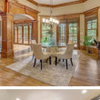
if selling house, should I remove these mirrors walls?
last month
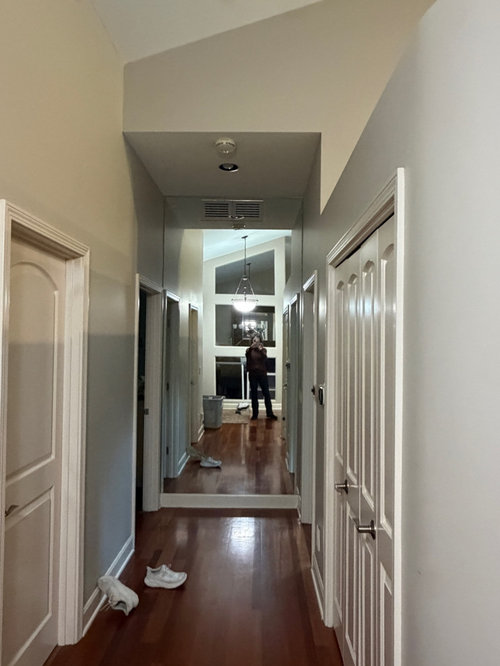
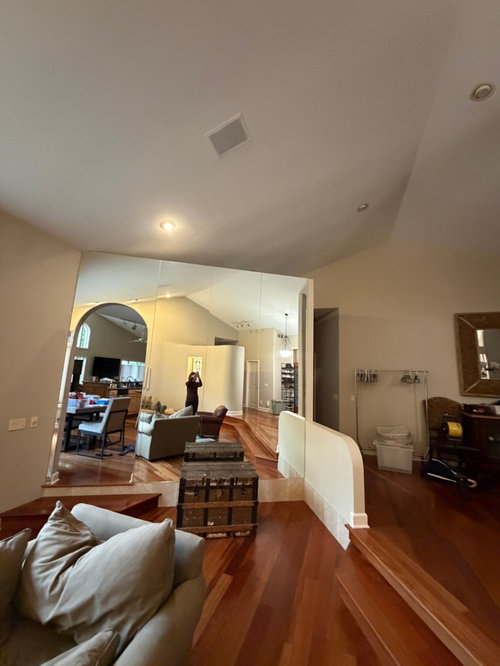
Featured Answer
Sort by:Oldest
Comments (15)
 last month
 last month
Related Professionals
Wilmington General Contractors · Tallahassee General Contractors · Greensboro General Contractors · Wichita Falls General Contractors · Chillicothe General Contractors · Bemidji General Contractors · Rapid City General Contractors · Salisbury Architects & Building Designers · Corpus Christi Architects & Building Designers · Grand Island Architects & Building Designers · Carson City Architects & Building Designers · Huntsville Kitchen Remodelers · Parkersburg Kitchen Remodelers · Portland Kitchen Remodelers · Milwaukee Kitchen Remodelers PROlast month
 last month
- last month
- last month
- last month
- last month
- 26 days ago
- 24 days ago
 PRO21 days ago
 20 days ago
 20 days ago
 PRO1 hour ago
Related Stories
DECORATING GUIDESMirrors, Mirrors on the Wall
Glam up a hall, staircase or wall with a mirror collection that reflects light and style
Full Story
PRODUCT PICKSGuest Picks: A Mirror for Every Wall
Simple to showstopping, these mirrors fit every need — and every room in the home
Full Story
REMODELING GUIDESGive Me a Wall, a Roof, or a House of Glass
Swoon over spaces warmed by sunlight — from one side, or many
Full Story
SELLING YOUR HOUSEThe Real Scents That Will Help Sell Your House
Ditch the potpourri and baked cookies. Follow these guidelines on scents to use and avoid to help sell your home
Full Story
SELLING YOUR HOUSE10 Tricks to Help Your Bathroom Sell Your House
As with the kitchen, the bathroom is always a high priority for home buyers. Here’s how to showcase your bathroom so it looks its best
Full Story
BATHROOM MAKEOVERSRoom of the Day: See the Bathroom That Helped a House Sell in a Day
Sophisticated but sensitive bathroom upgrades help a century-old house move fast on the market
Full Story
LIFEThe Polite House: How Can I Kindly Get Party Guests to Use Coasters?
Here’s how to handle the age-old entertaining conundrum to protect your furniture — and friendships
Full Story
DECORATING GUIDESIt’s a Mirror-acle! 5 Ways to Make Reflecting Walls Work
From the bedroom to the outdoors, mirrored walls can help reflect light and create the illusion of space
Full Story
SELLING YOUR HOUSE9 Tips for Selling Your House in Winter
Make your home stand out to buyers in a challenging season by upping its coziness and showing its potential
Full Story
KITCHEN DESIGNSingle-Wall Galley Kitchens Catch the 'I'
I-shape kitchen layouts take a streamlined, flexible approach and can be easy on the wallet too
Full Story
Sponsored
More Discussions

Emily