
Lawn Reduction: Because 'It’s Not Easy Being Green'
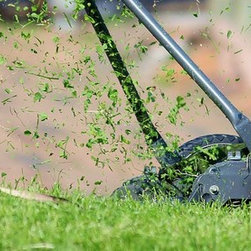
A beautifully manicured green lawn takes a lot of watering and fertilizing, not to mention mowing. It’s truly not easy being green.
In speaking with Sandra Vultaggio, Horticulture Consultant at Suffolk County’s Cornell Cooperative Extension, it turns out, this is something very much on her mind, too.
“I’ve been slowly edging out my own lawn in favor of native plants and flowers,” says Vultaggio. “A lawn is a high-input plant that requires a good deal of water and fertilizer to stay green. So it’s a particularly good idea, say on Long Island, to reduce the amount of lawn we preserve.”
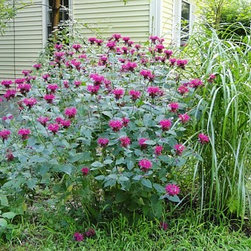
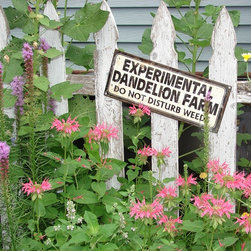
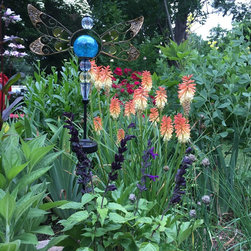
Vultaggio suggests, instead, planting more native perennials and shrubs. “Over time, after the planting stage, these will require much less irrigation. Perennials are pretty self-sufficient in searching for water on their own. Plus, their fertilizer requirements are at a minimum.”
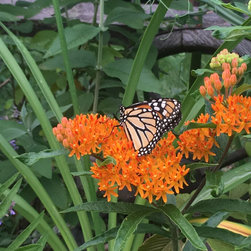
Adding native plants is also a great help to local wildlife, who thrive when they can feed, find cover, and raise their young around familiar flora. “In fact, The National Wildlife Federation has a program (see fact sheet) devoted to reducing lawns and introducing pollinators to the garden through native plants,” says Vultaggio.
Mid-Late Summer Blooming Plants
For those who are eager to save some money, time — all while helping local wildlife — Vultaggio suggests the following native plants:
In speaking with Sandra Vultaggio, Horticulture Consultant at Suffolk County’s Cornell Cooperative Extension, it turns out, this is something very much on her mind, too.
“I’ve been slowly edging out my own lawn in favor of native plants and flowers,” says Vultaggio. “A lawn is a high-input plant that requires a good deal of water and fertilizer to stay green. So it’s a particularly good idea, say on Long Island, to reduce the amount of lawn we preserve.”
Vultaggio suggests, instead, planting more native perennials and shrubs. “Over time, after the planting stage, these will require much less irrigation. Perennials are pretty self-sufficient in searching for water on their own. Plus, their fertilizer requirements are at a minimum.”
Adding native plants is also a great help to local wildlife, who thrive when they can feed, find cover, and raise their young around familiar flora. “In fact, The National Wildlife Federation has a program (see fact sheet) devoted to reducing lawns and introducing pollinators to the garden through native plants,” says Vultaggio.
Mid-Late Summer Blooming Plants
For those who are eager to save some money, time — all while helping local wildlife — Vultaggio suggests the following native plants: