
10 Ways to Put a Creative Twist on Tile
See how playing with layouts, colors, sizes and shapes can transform standard tile into a standout feature

Classic tile shapes and layouts never go out of style, but that doesn’t mean they have to feel predictable. Here are 10 easy ways to create looks that feel fresh while staying rooted in tradition.
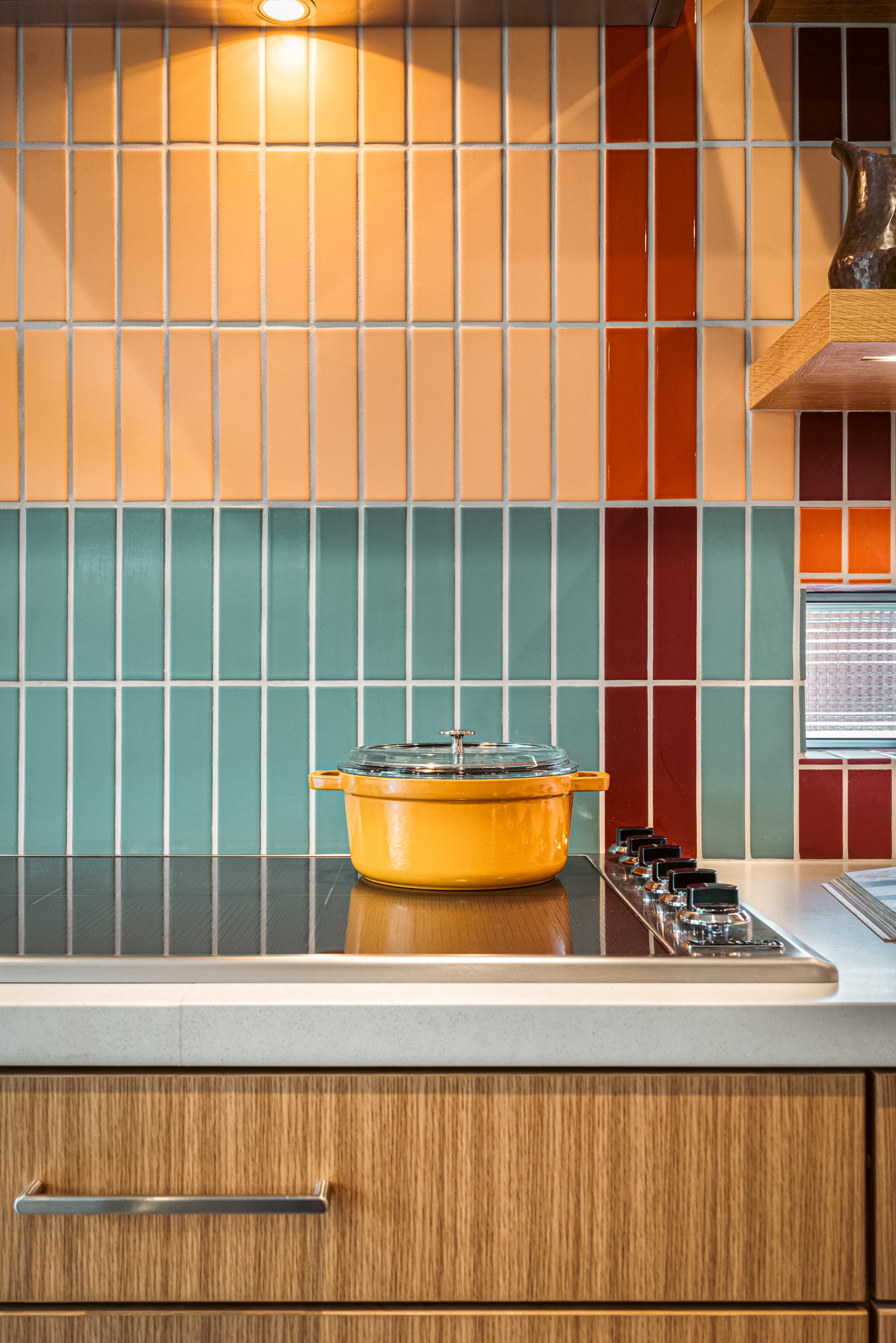
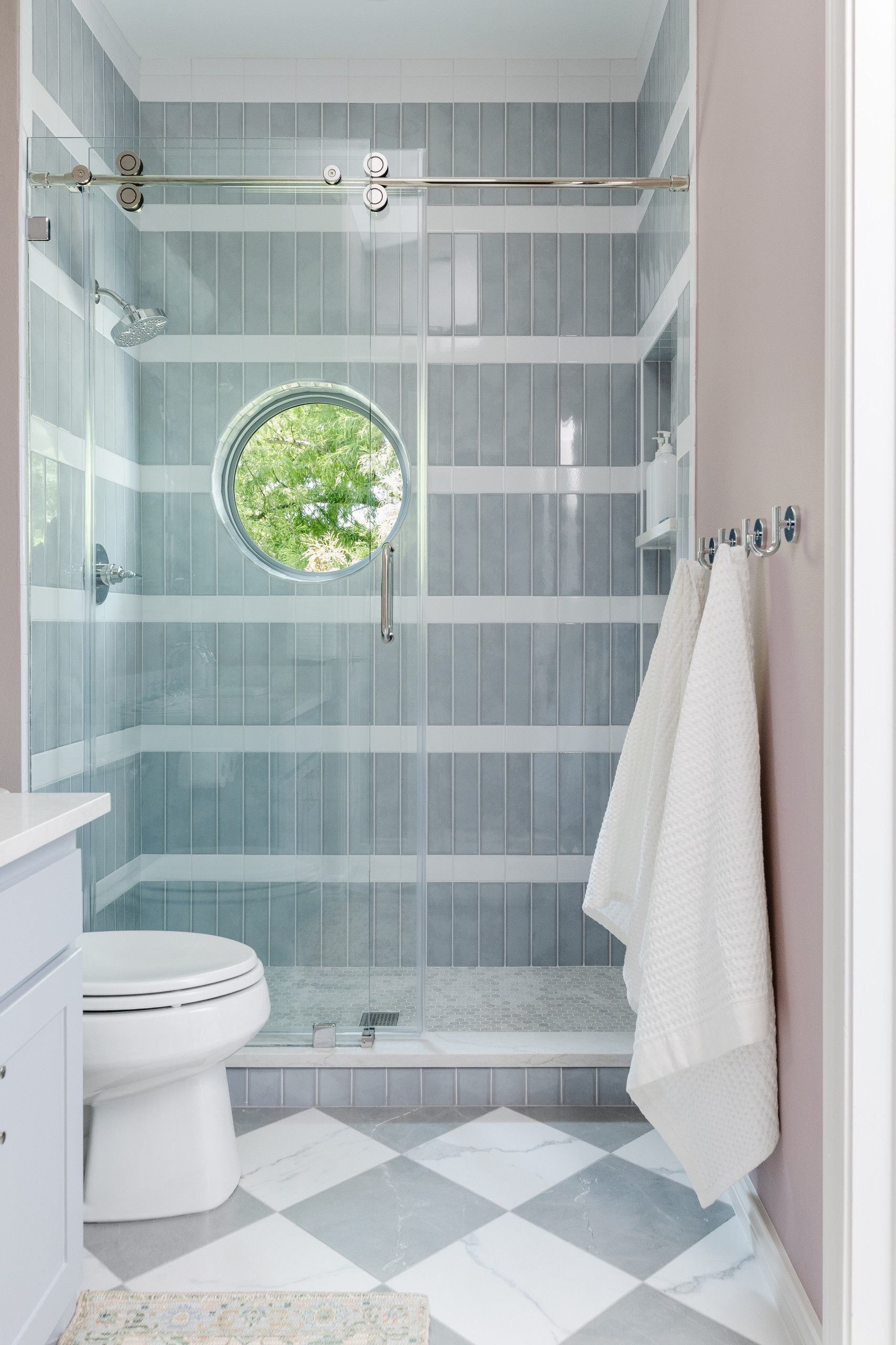
Stripes, checkerboard, plaid, ombre and other patterns are all possible with basic square and rectangular shapes.
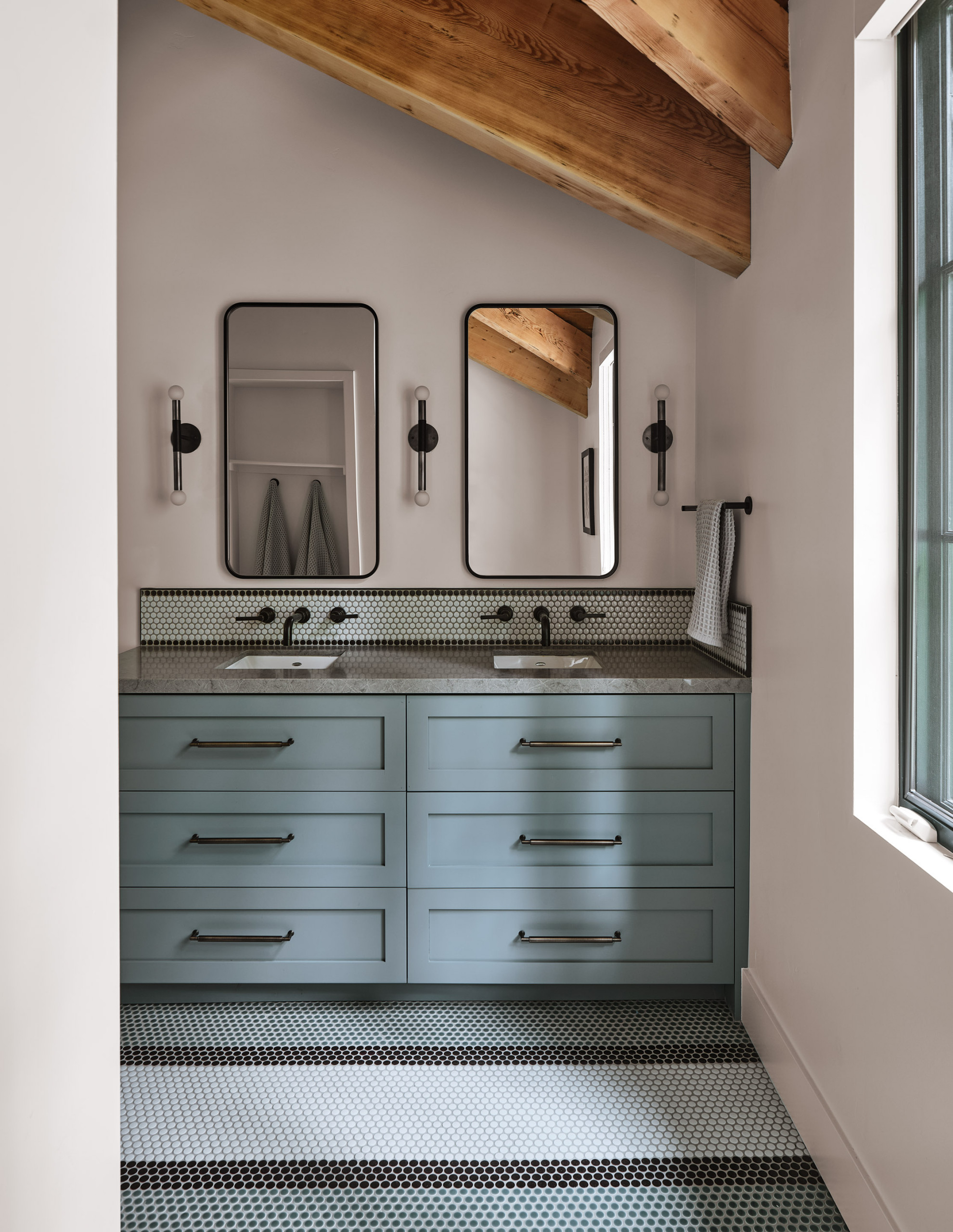
Penny tiles and hexagons can also create playful looks when arranged in colorful patterns.
And color blocking or zoning — creating solid-color sections of tile to define areas, such as a backsplash behind the stove in one shade and a sink zone in another — is a way to add visual punch without complicated layouts.
And color blocking or zoning — creating solid-color sections of tile to define areas, such as a backsplash behind the stove in one shade and a sink zone in another — is a way to add visual punch without complicated layouts.
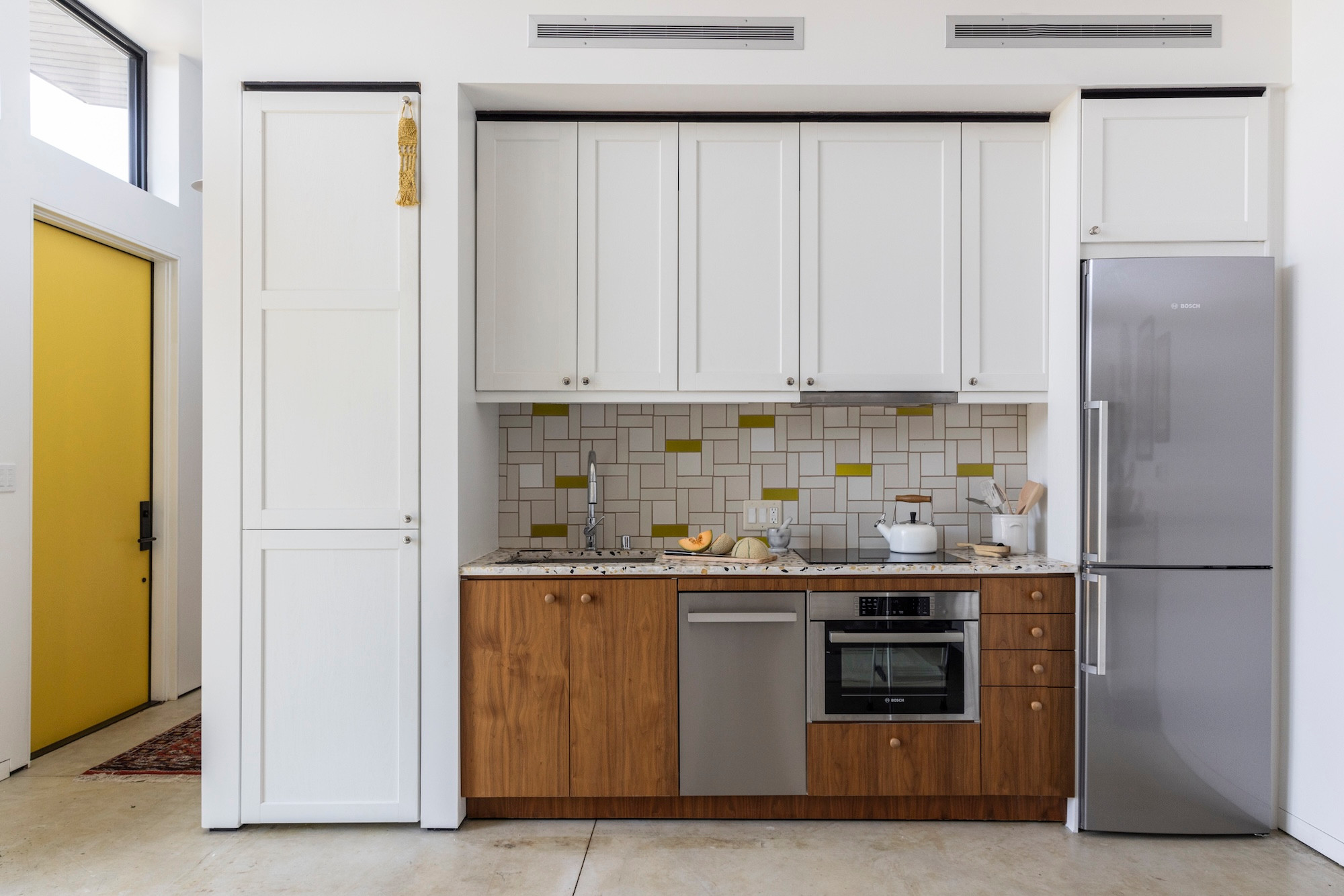
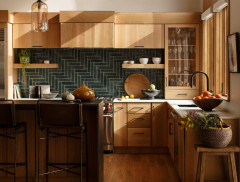
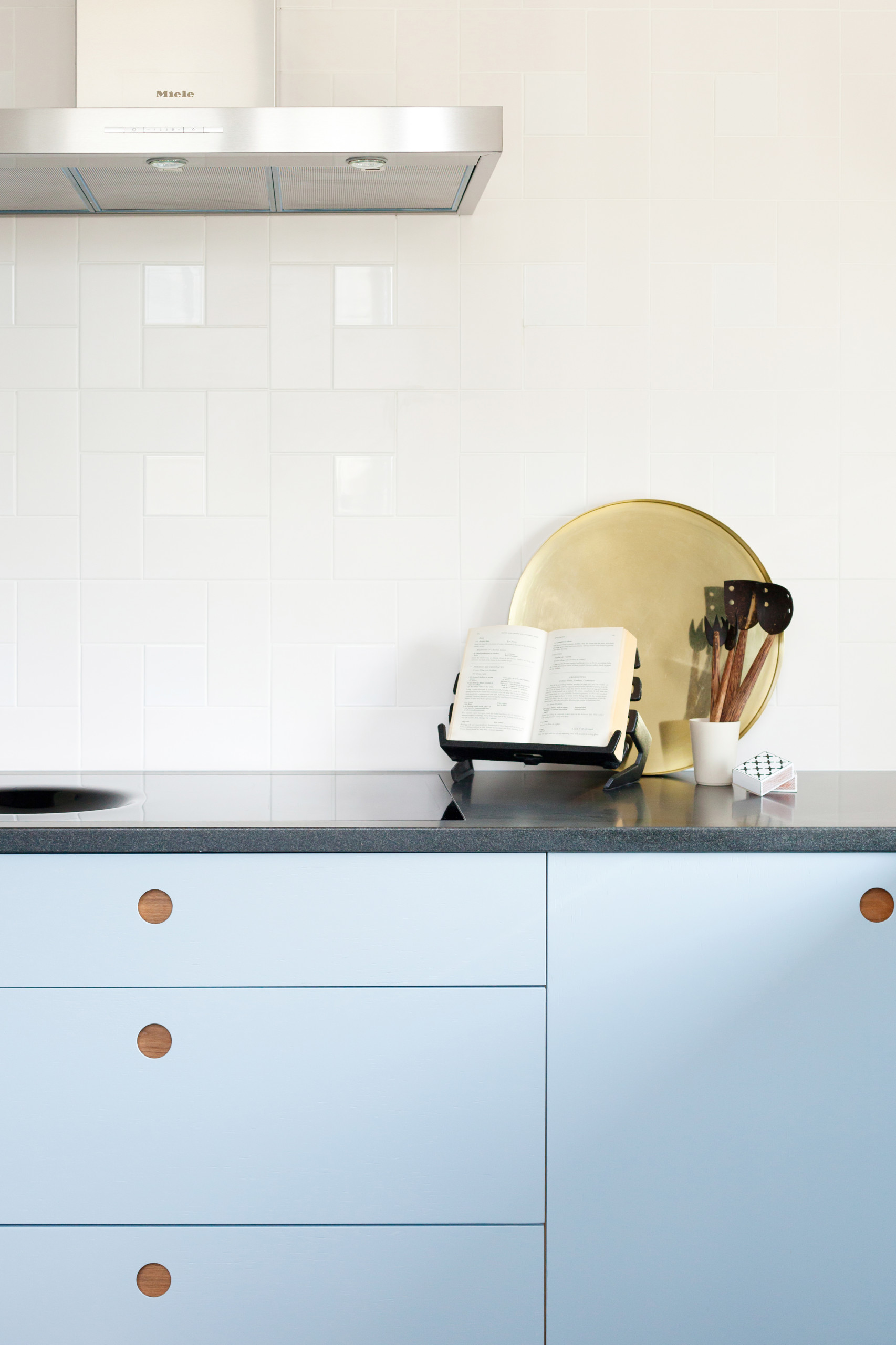
Alternatively, you don’t have to follow an obvious color pattern at all. A classic pattern like a running bond (brick pattern) or windmill (a square tile enclosed by four rectangular tiles), pictured, becomes edgy when its colors appear randomly arranged.
To test ideas for any layout, it’s best to “dry lay” tiles (place them without adhesive) before installation.
See why you should hire a professional who uses Houzz Pro software
To test ideas for any layout, it’s best to “dry lay” tiles (place them without adhesive) before installation.
See why you should hire a professional who uses Houzz Pro software
2. Shift the Grid
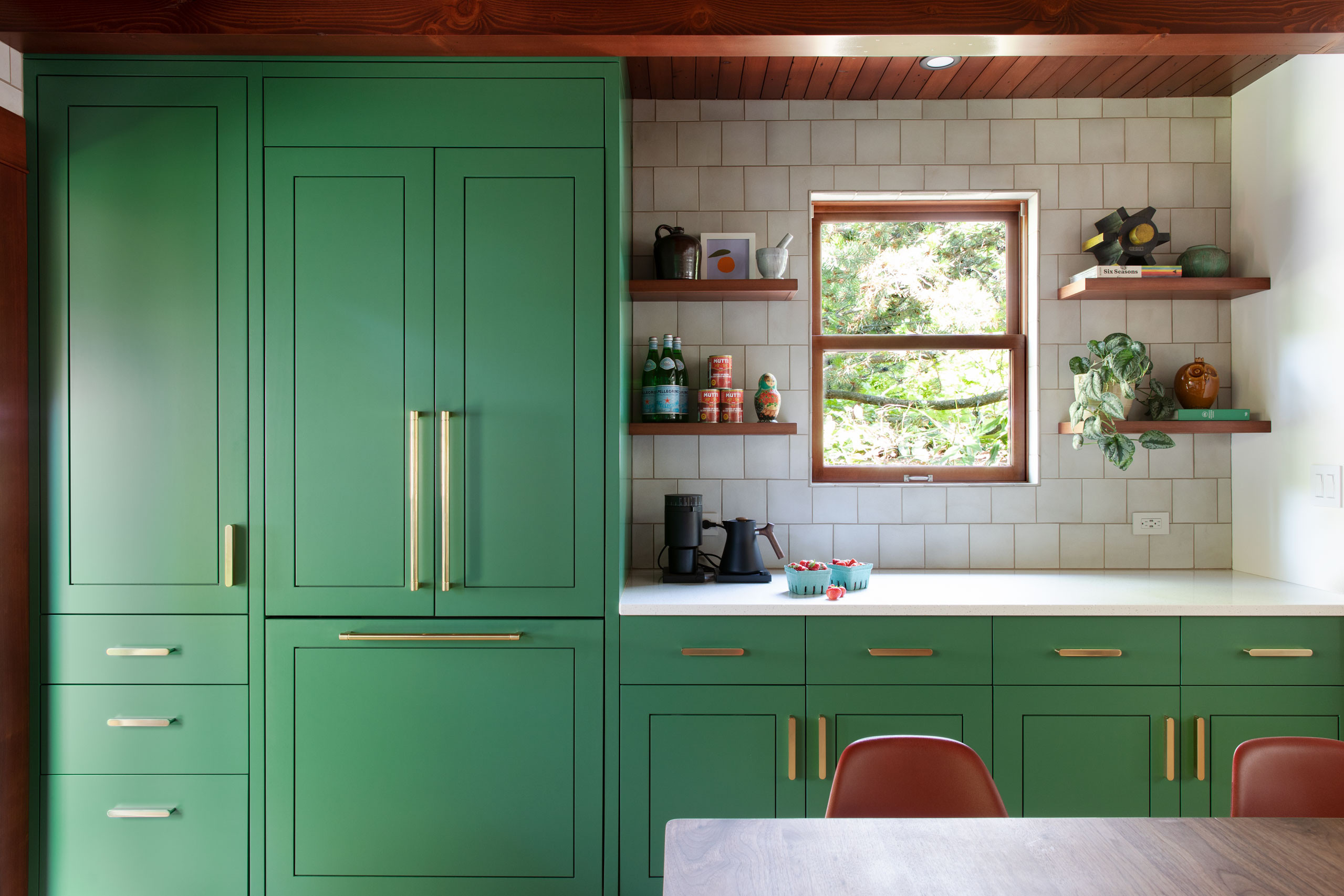
Even tiny tweaks in a tile layout can make a big difference. For example, while square tiles in stacked (grid) layouts are common, setting them in a running bond pattern looks equally classic but slightly unexpected.
Even tiny tweaks in a tile layout can make a big difference. For example, while square tiles in stacked (grid) layouts are common, setting them in a running bond pattern looks equally classic but slightly unexpected.
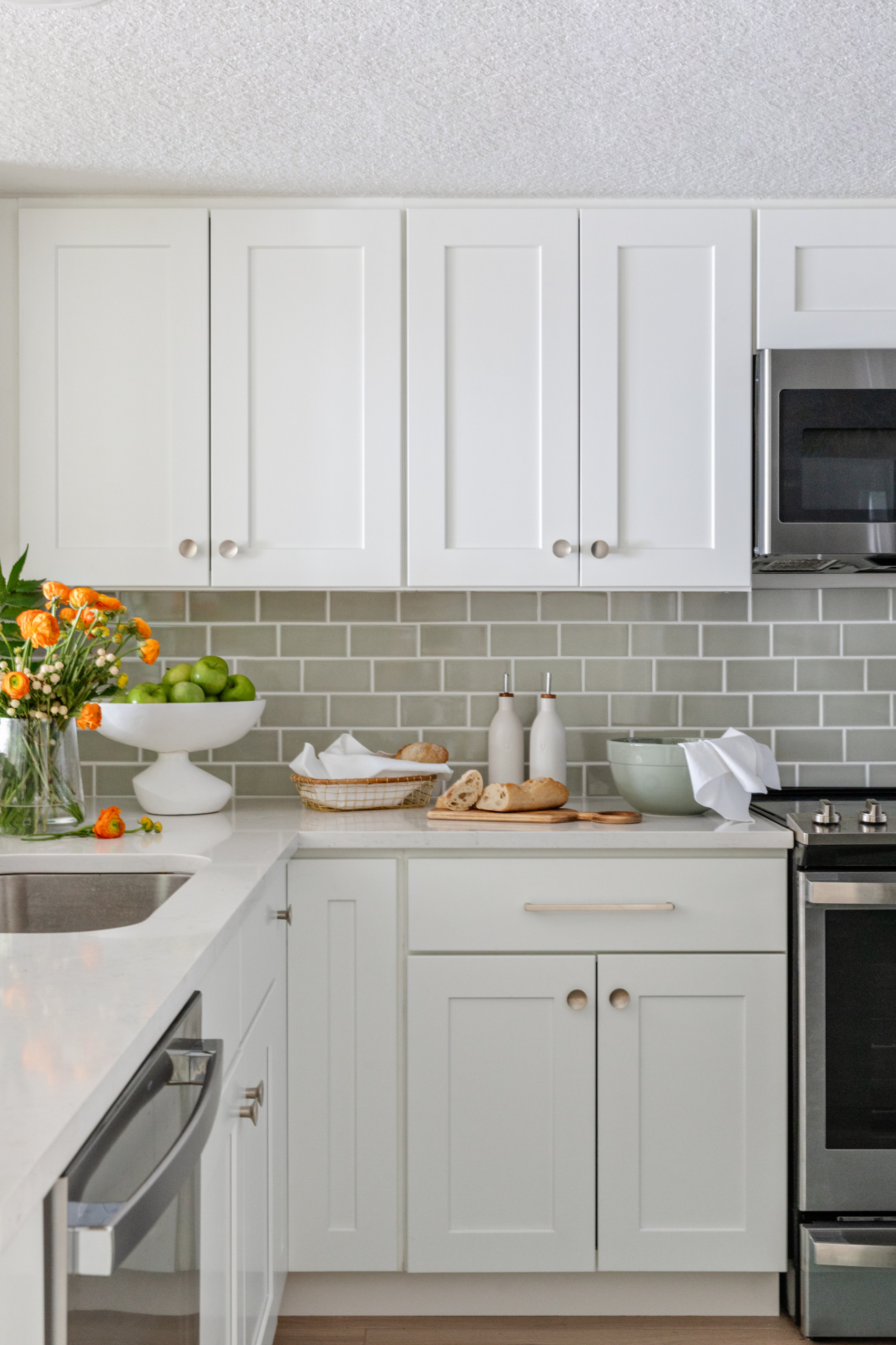
Offsetting horizontal subway tiles by one-quarter or one-third of a tile’s length also creates greater visual interest than setting them in the more familiar half-offset pattern.
For the best result in any tiling project, hire a skilled installer — especially for more complicated or precise installations — and show them pictures of what you have in mind.
20 Must-Know Subway Tile Layouts From Familiar to Fresh
For the best result in any tiling project, hire a skilled installer — especially for more complicated or precise installations — and show them pictures of what you have in mind.
20 Must-Know Subway Tile Layouts From Familiar to Fresh
3. Give It a Twist
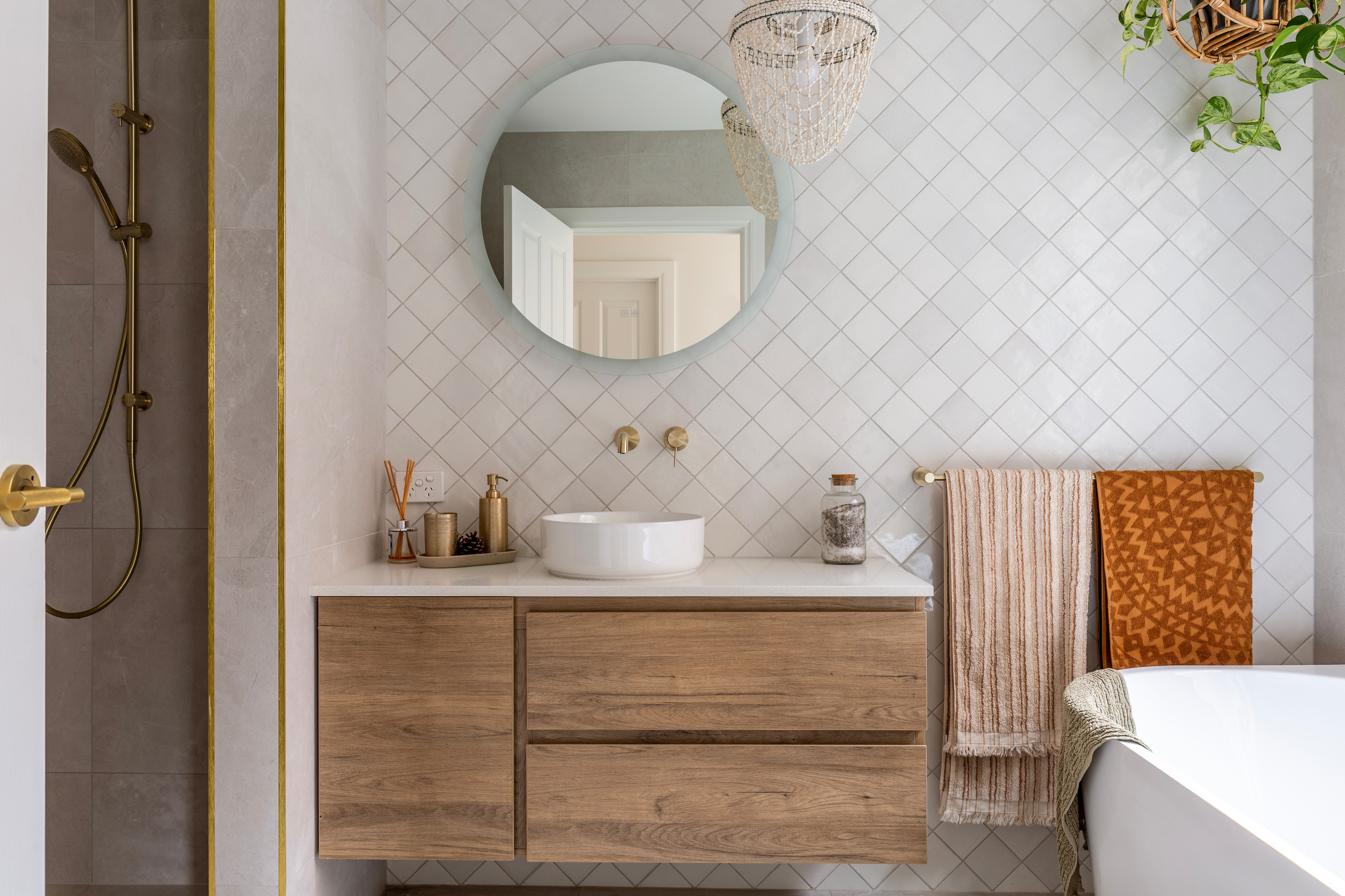
Rotating a grid of square tiles by 45 degrees transforms the visual impact as well. Even in a single color, the diamond layout feels more dynamic and formal, while the diagonal lines can visually expand the width of a floor or wall.
Rotating a grid of square tiles by 45 degrees transforms the visual impact as well. Even in a single color, the diamond layout feels more dynamic and formal, while the diagonal lines can visually expand the width of a floor or wall.
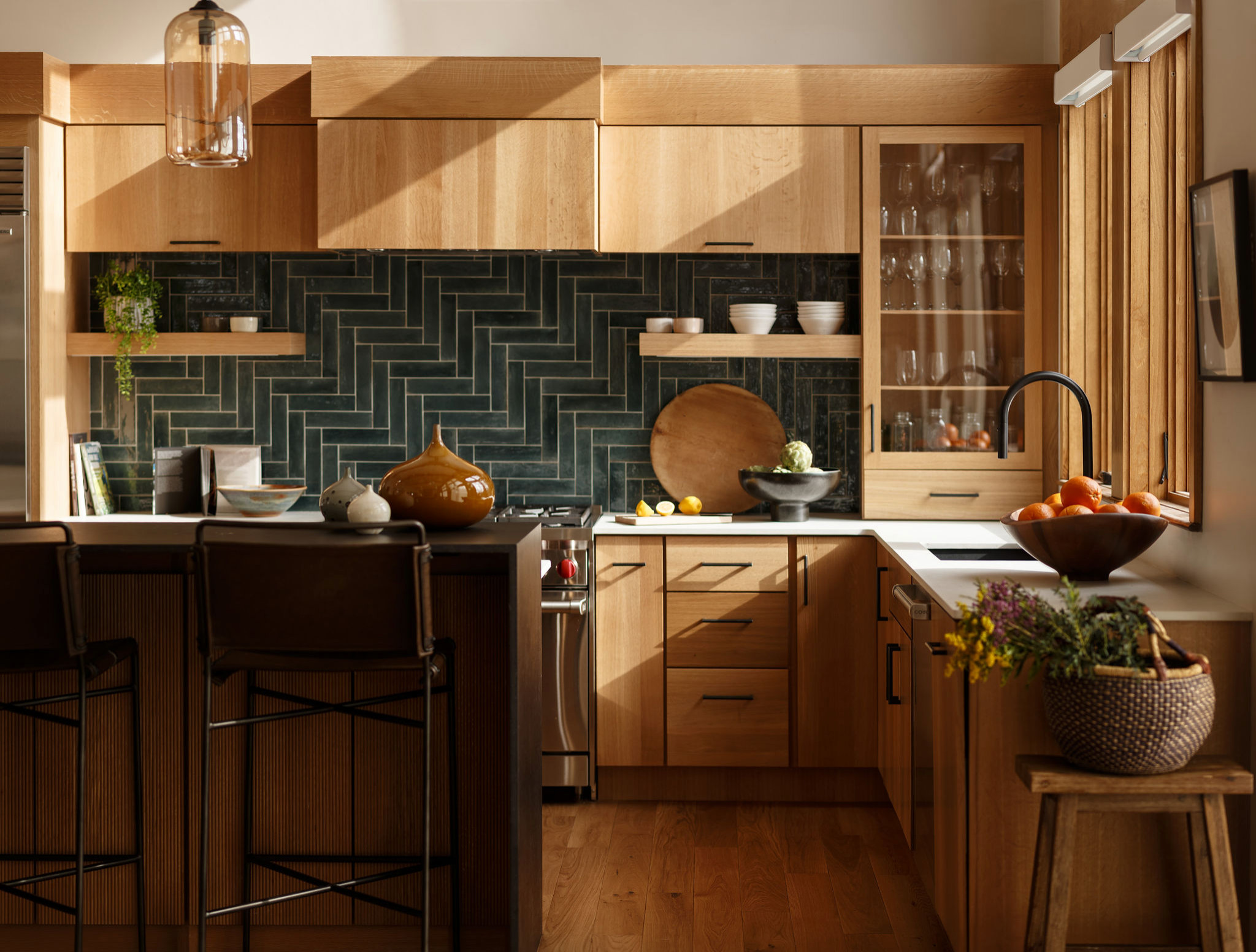
You can also rotate classic non-grid patterns like herringbone and chevron by 45 degrees for a contemporary variation.
Another subtle but current approach is to vary the tile’s or layout’s orientation within a single wall or floor. For example, a wall might be half vertical stack and half horizontal stack, meeting in the middle.
What’s New in Tile for 2026
Another subtle but current approach is to vary the tile’s or layout’s orientation within a single wall or floor. For example, a wall might be half vertical stack and half horizontal stack, meeting in the middle.
What’s New in Tile for 2026
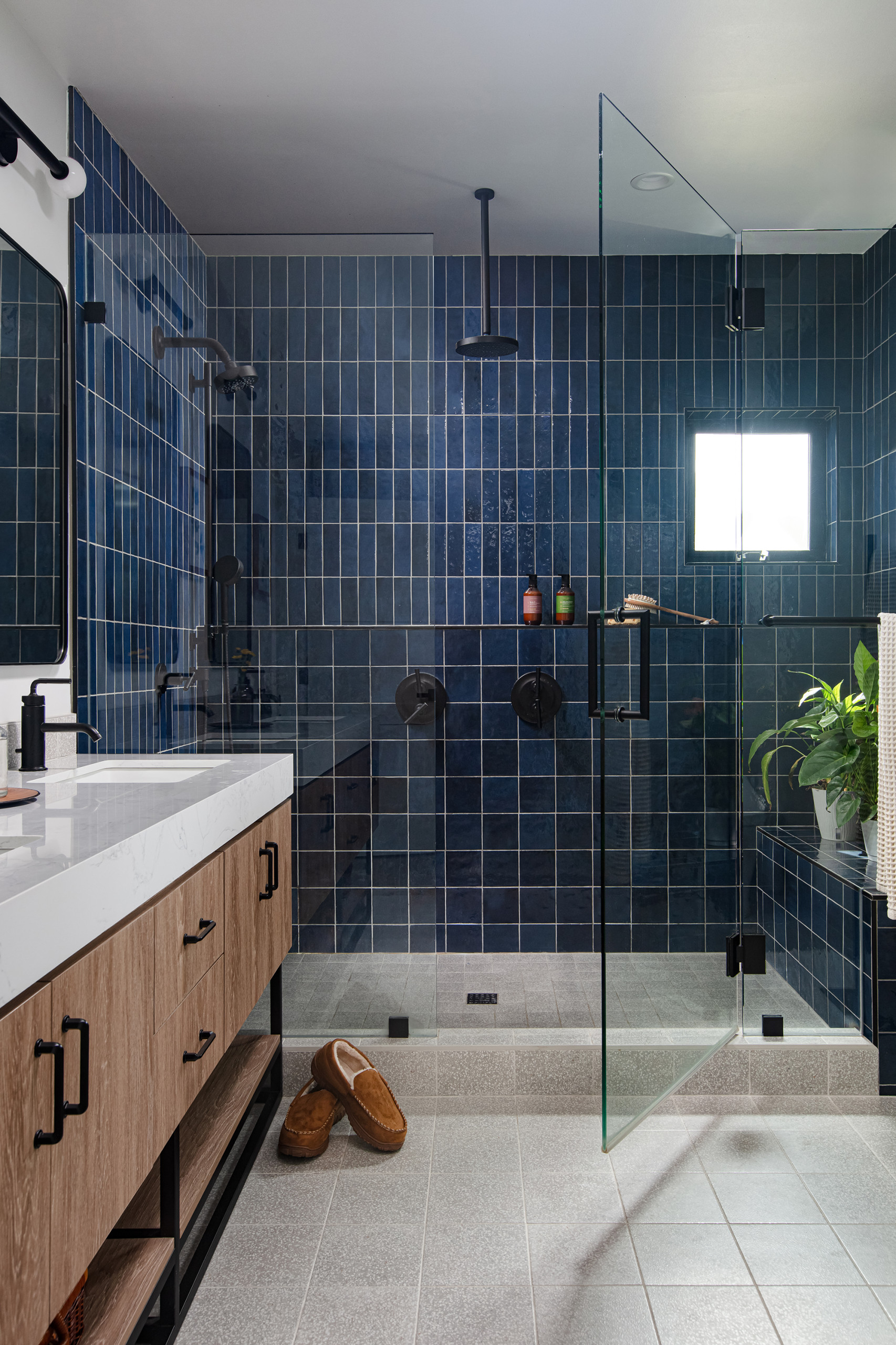
4. Mix Sizes and Shapes
Pairing tiles of different shapes — such as squares with rectangles — creates rhythm and texture.
Pairing tiles of different shapes — such as squares with rectangles — creates rhythm and texture.
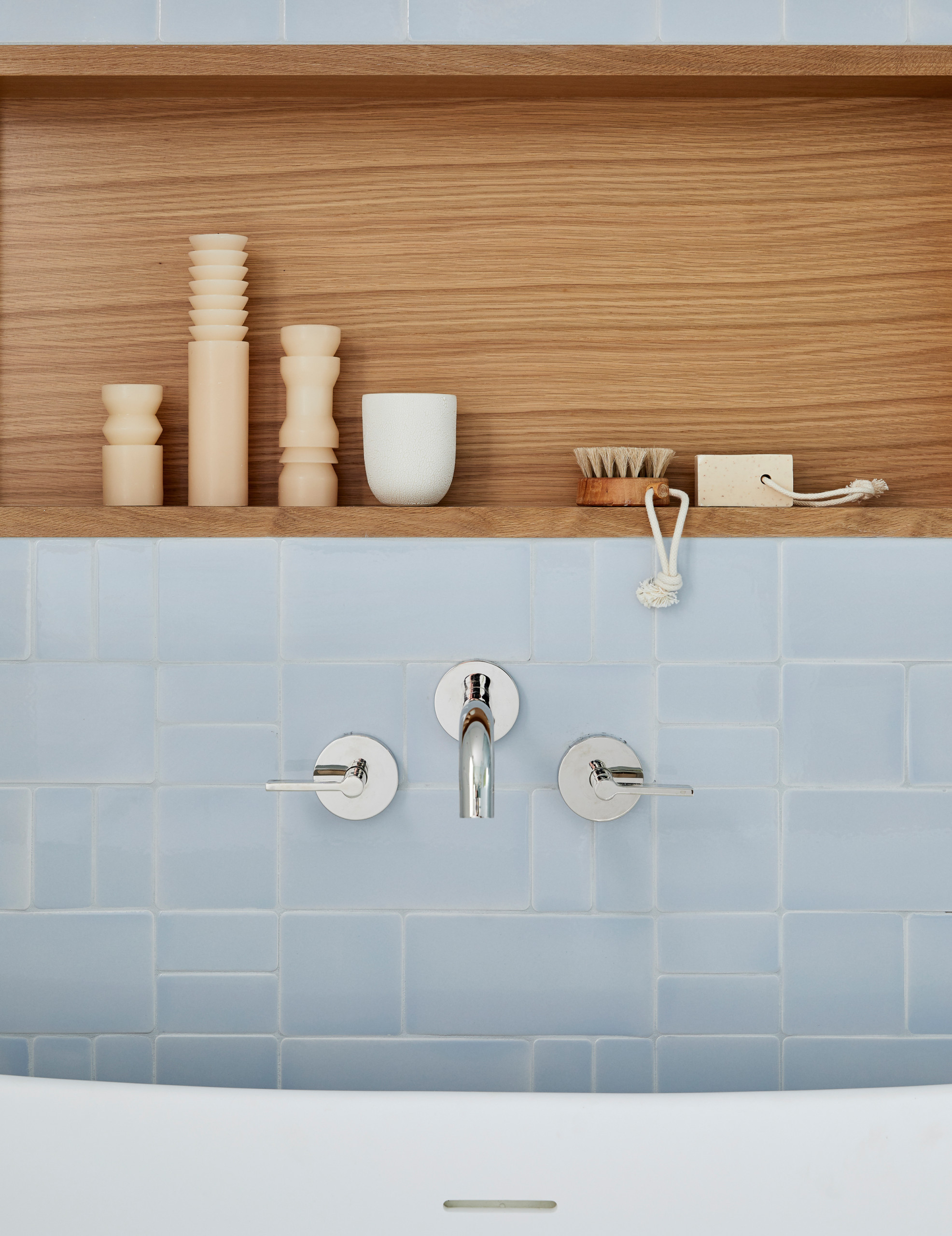
Several traditional tile patterns, including windmill, rely on mixing rectangles and squares, but you can easily invent your own as long as the shapes share similar proportions (for example, a 2-inch square with a 2-by-4-inch rectangle). Even in a single color, the change in scale keeps the surface visually engaging.
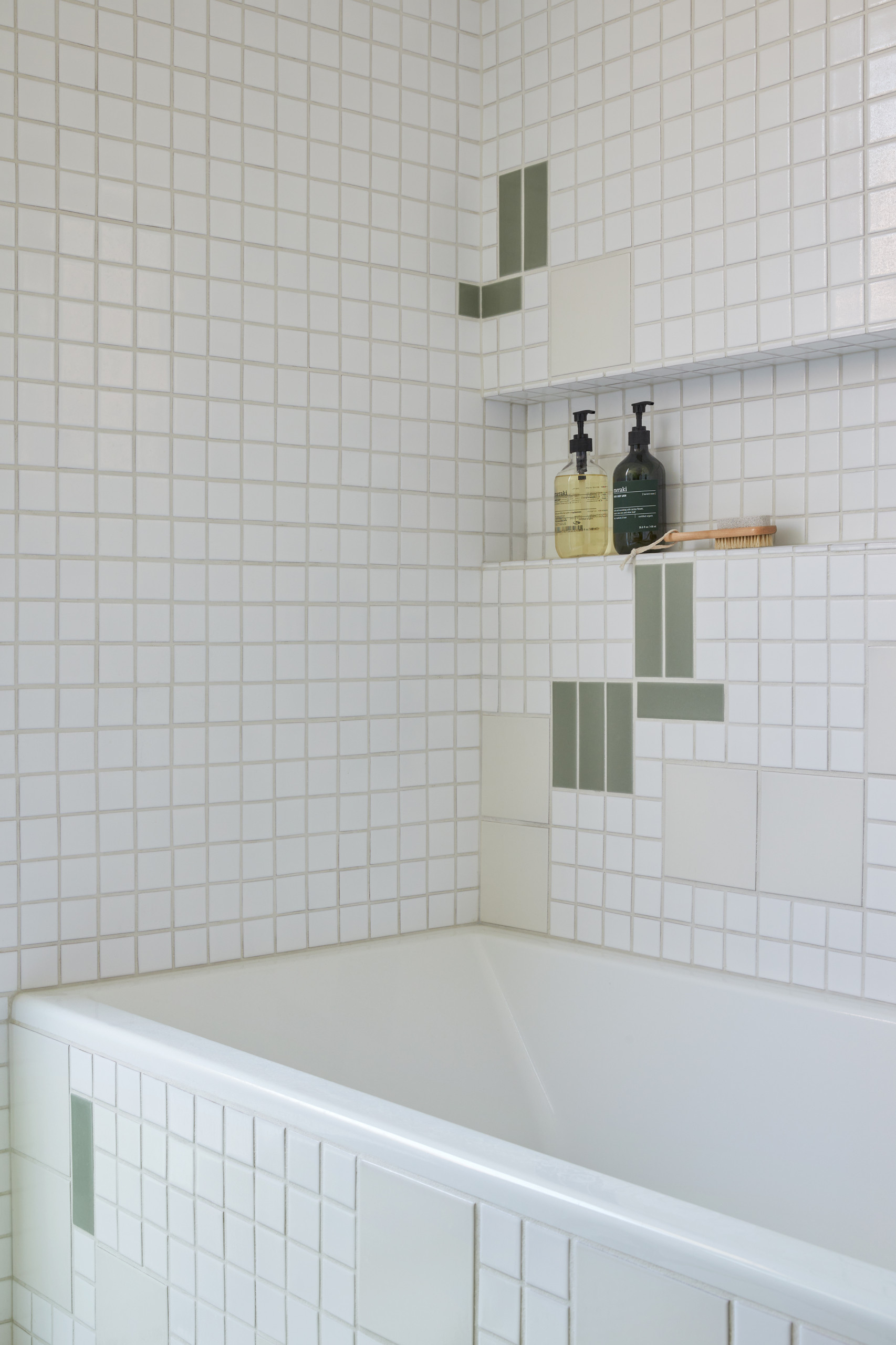
Just a few differently shaped tiles can serve as bold accents when surrounded by a large, uniform field, especially if they’re a contrasting color or material (such as a glass tile in a ceramic field) or have a dimensional surface.
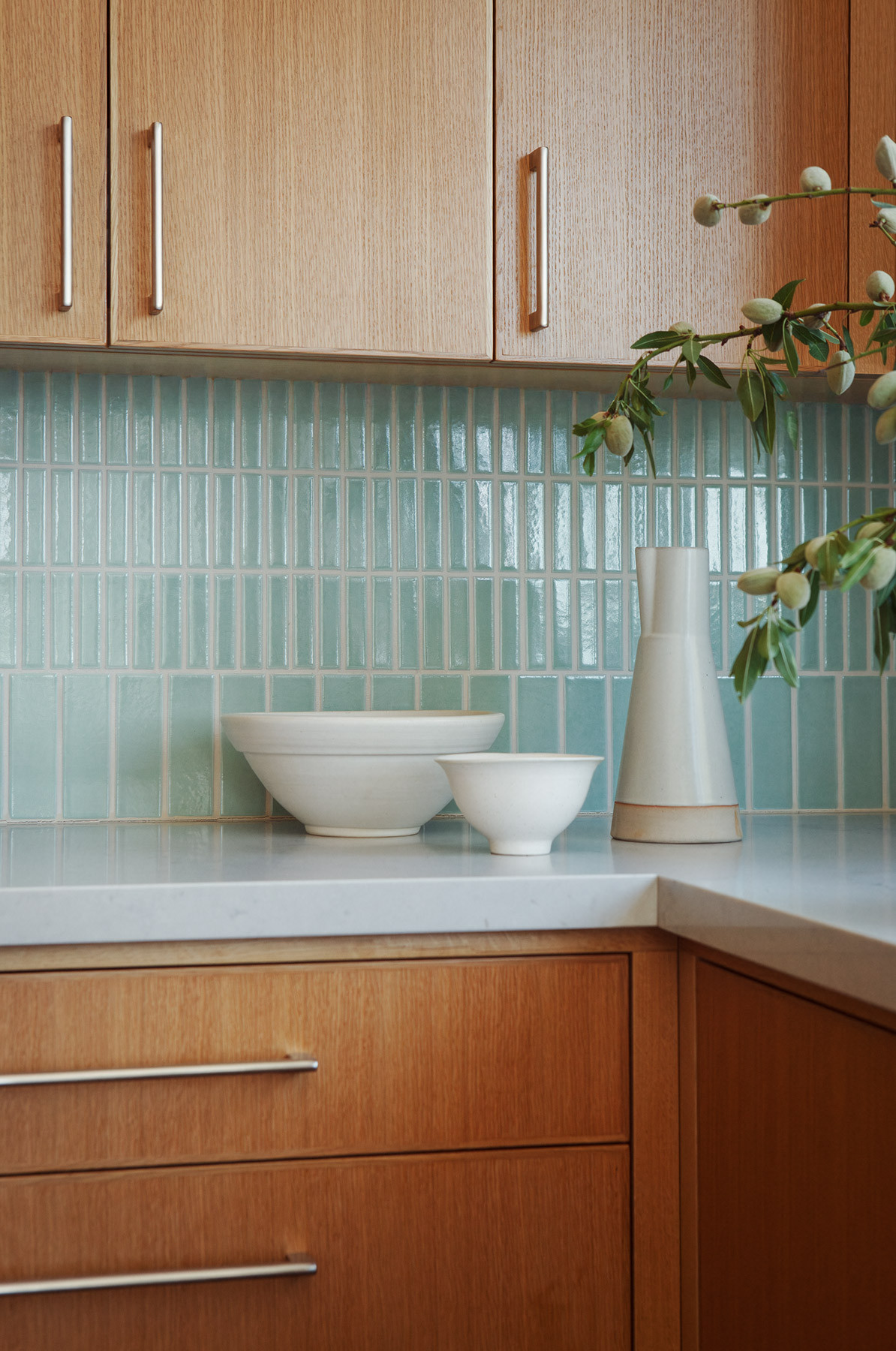
You can purchase tiles in the same color but in different shapes and scales, or have larger tiles cut into smaller pieces. Try halving them horizontally or diagonally, or even cutting them into quarters or thirds, to create a set of shapes that work together in a pattern.
Find kitchen and bathroom remodelers on Houzz
Find kitchen and bathroom remodelers on Houzz
5. Frame and Border It
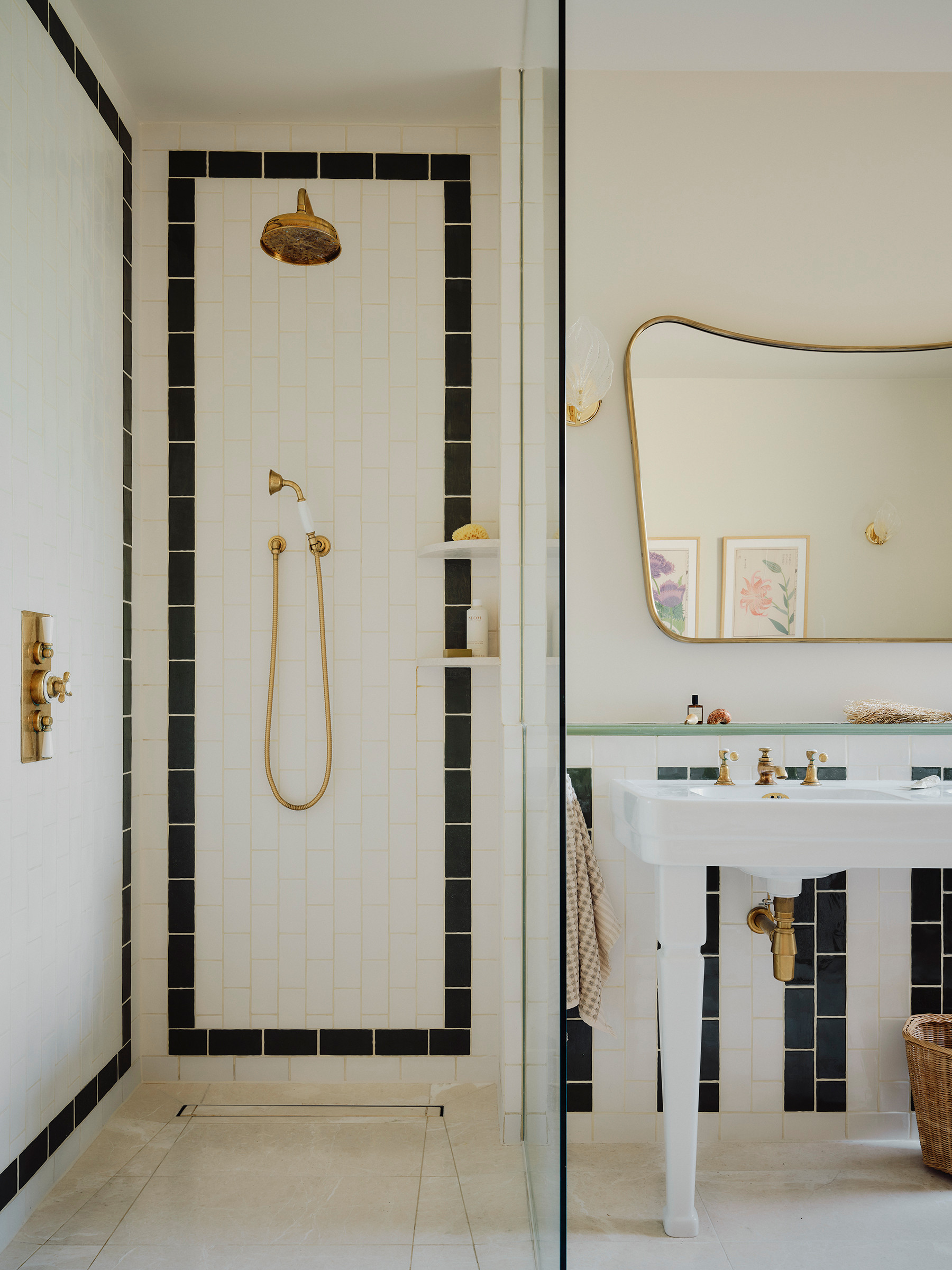
Borders or frames can give a tile installation a tailored look. Use a contrasting color or size to outline a shower niche, a backsplash or even the entire wall or floor. A simple band of trim tile acts like a picture frame, drawing attention to the feature inside.
Borders or frames can give a tile installation a tailored look. Use a contrasting color or size to outline a shower niche, a backsplash or even the entire wall or floor. A simple band of trim tile acts like a picture frame, drawing attention to the feature inside.
6. Combine Layouts
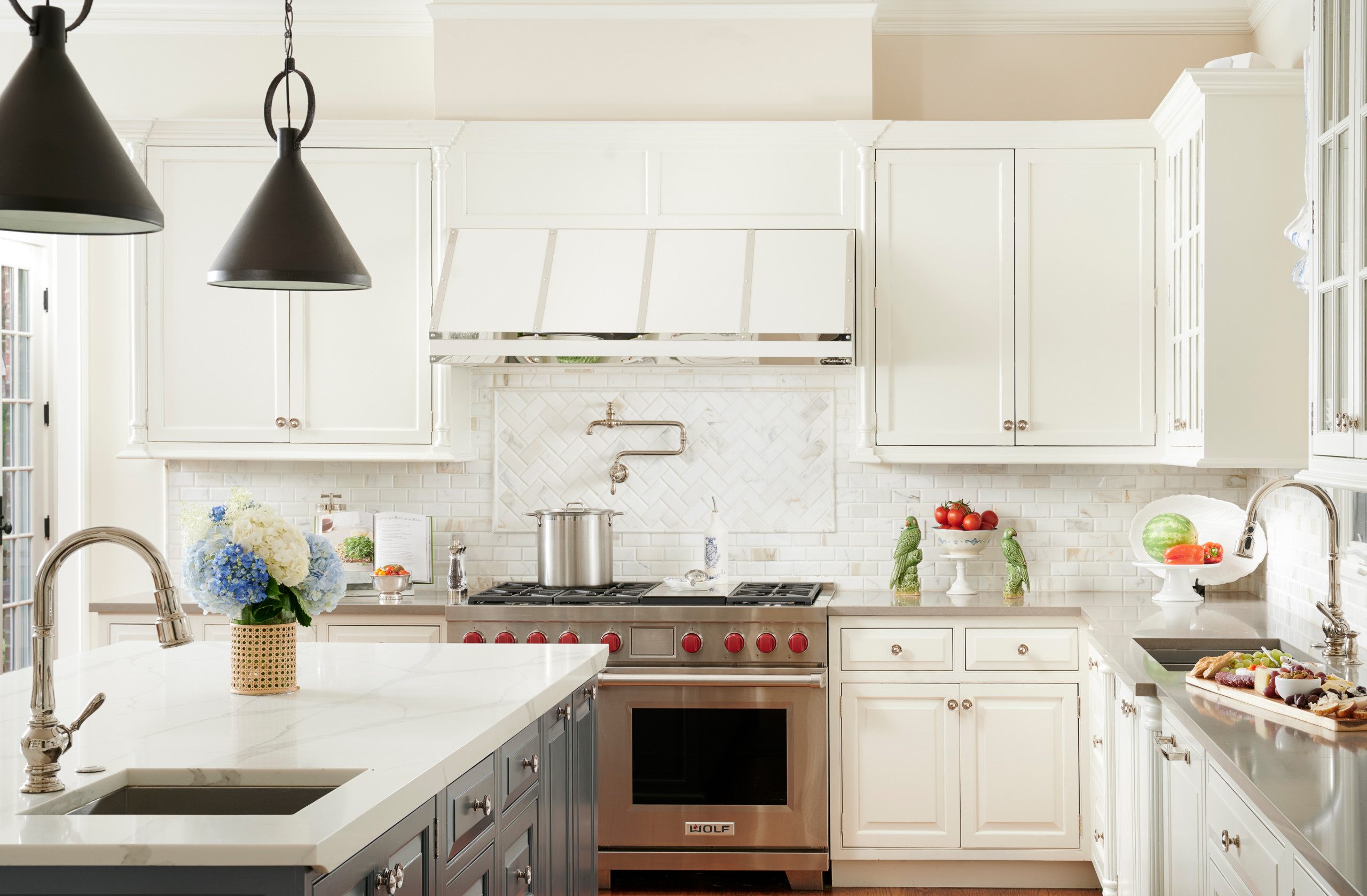
Combining two or more layouts of the same tile shape and color is a subtle but effective way to create depth and variation. For instance, a backsplash of running bond subway tile can feel more dynamic with an inset of herringbone or vertical stack in the same tile. You can frame the contrasting section with a border tile to give it definition, or let the patterns meet edge to edge for a more seamless, modern look.
Combining two or more layouts of the same tile shape and color is a subtle but effective way to create depth and variation. For instance, a backsplash of running bond subway tile can feel more dynamic with an inset of herringbone or vertical stack in the same tile. You can frame the contrasting section with a border tile to give it definition, or let the patterns meet edge to edge for a more seamless, modern look.
7. Experiment With Grout
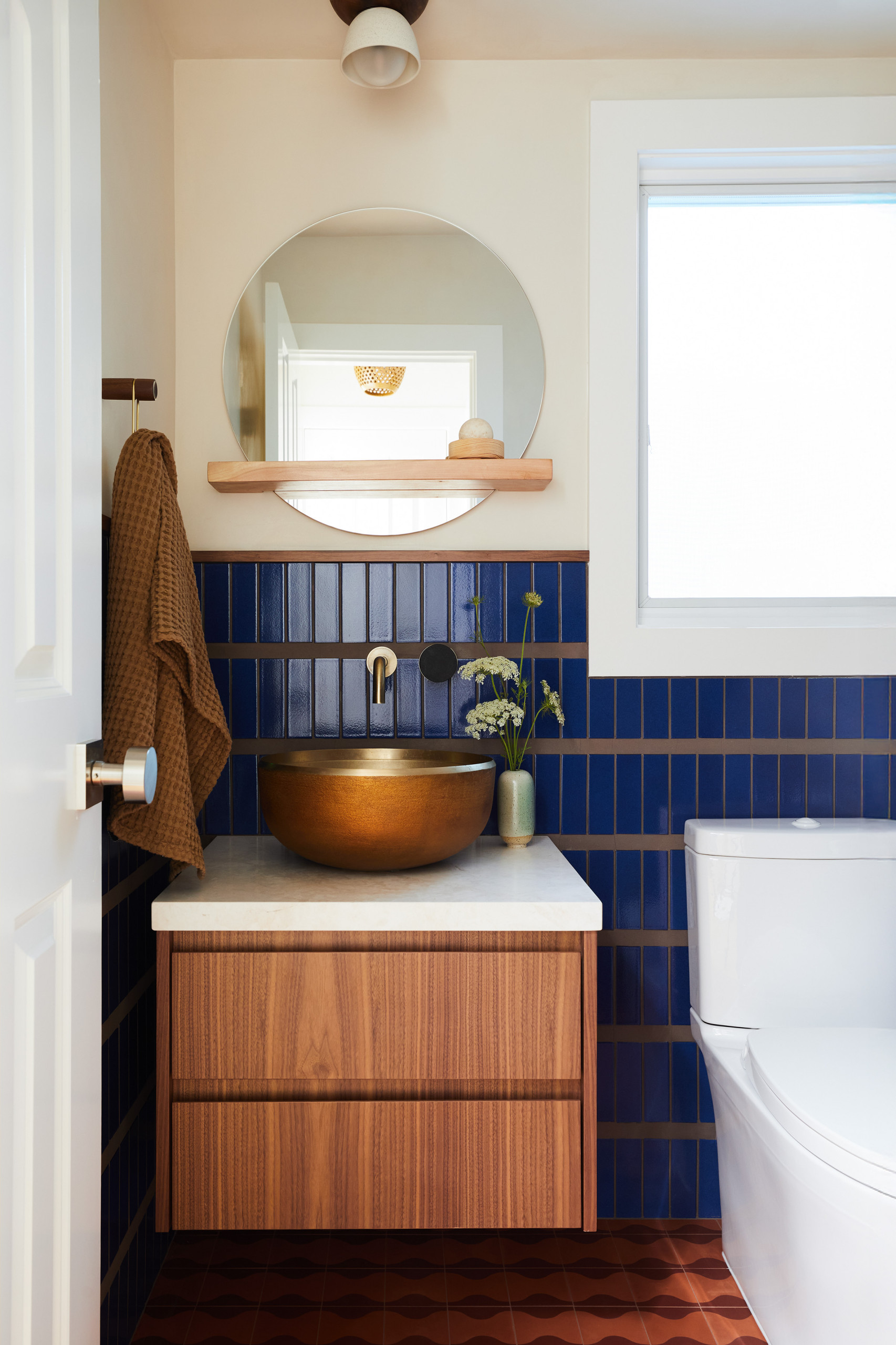
Grout isn’t just filler — it’s part of the design. Narrow grout lines (which tend to work best with rectified, or precisely cut, tile) keep a surface sleek and modern, while wider ones (which are more forgiving when working with handmade tile) add texture and highlight each tile.
For a distinctive, modern look, when laying tile in rows, vary the grout width to create a banded look.
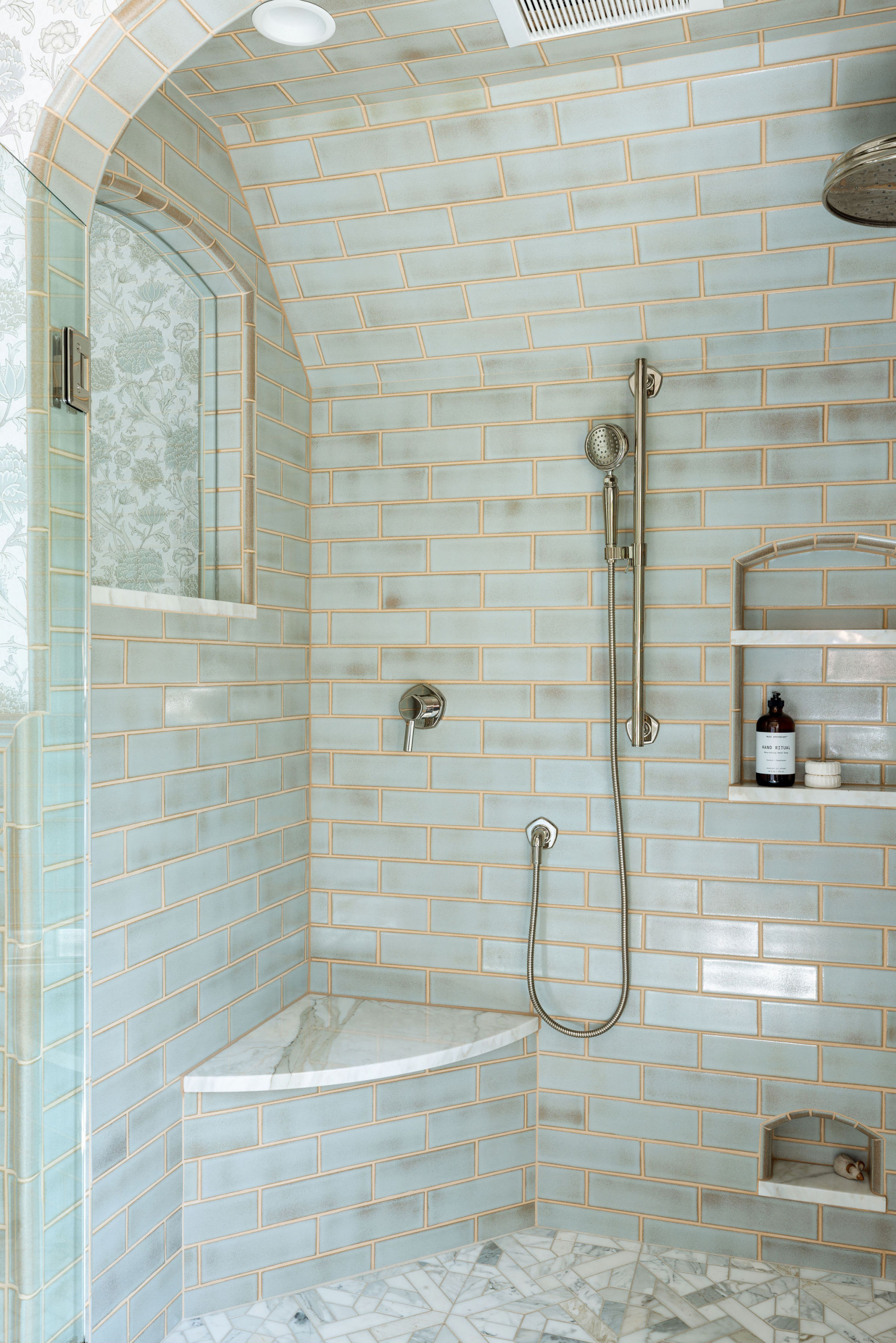
Color has just as much impact as width. A matching grout lets tiles blend into a seamless surface, while a contrasting shade makes every joint — as well as the tiles’ layout — pop.
For an unexpected twist, skip the neutrals and opt for a brightly hued grout. In those cases, the grout becomes the star, turning a basic installation into a style statement.
What Grout Color Should You Choose for Your Tile?
For an unexpected twist, skip the neutrals and opt for a brightly hued grout. In those cases, the grout becomes the star, turning a basic installation into a style statement.
What Grout Color Should You Choose for Your Tile?

8. Get Edgy
Tile installations don’t need to be finished with edging trim or even a straight line. Create visual interest by cutting tiles so the installation has a shaped border, such as an arch or a scallop.
Tile installations don’t need to be finished with edging trim or even a straight line. Create visual interest by cutting tiles so the installation has a shaped border, such as an arch or a scallop.
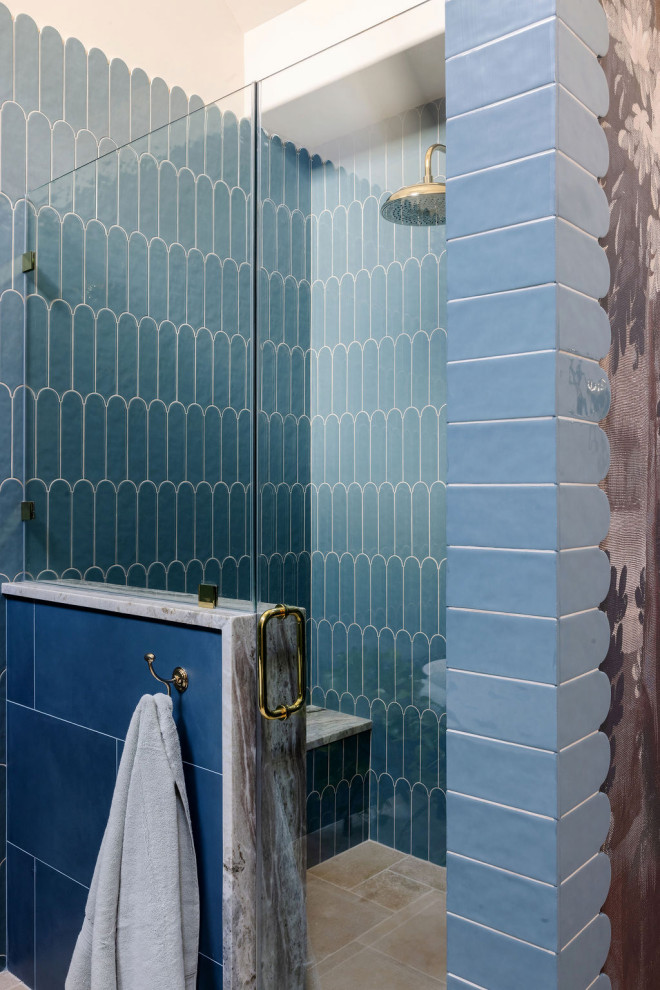
You can also leave the last row raw. If you’re using a handmade tile with irregular edges, the effect will be subtle and organic.
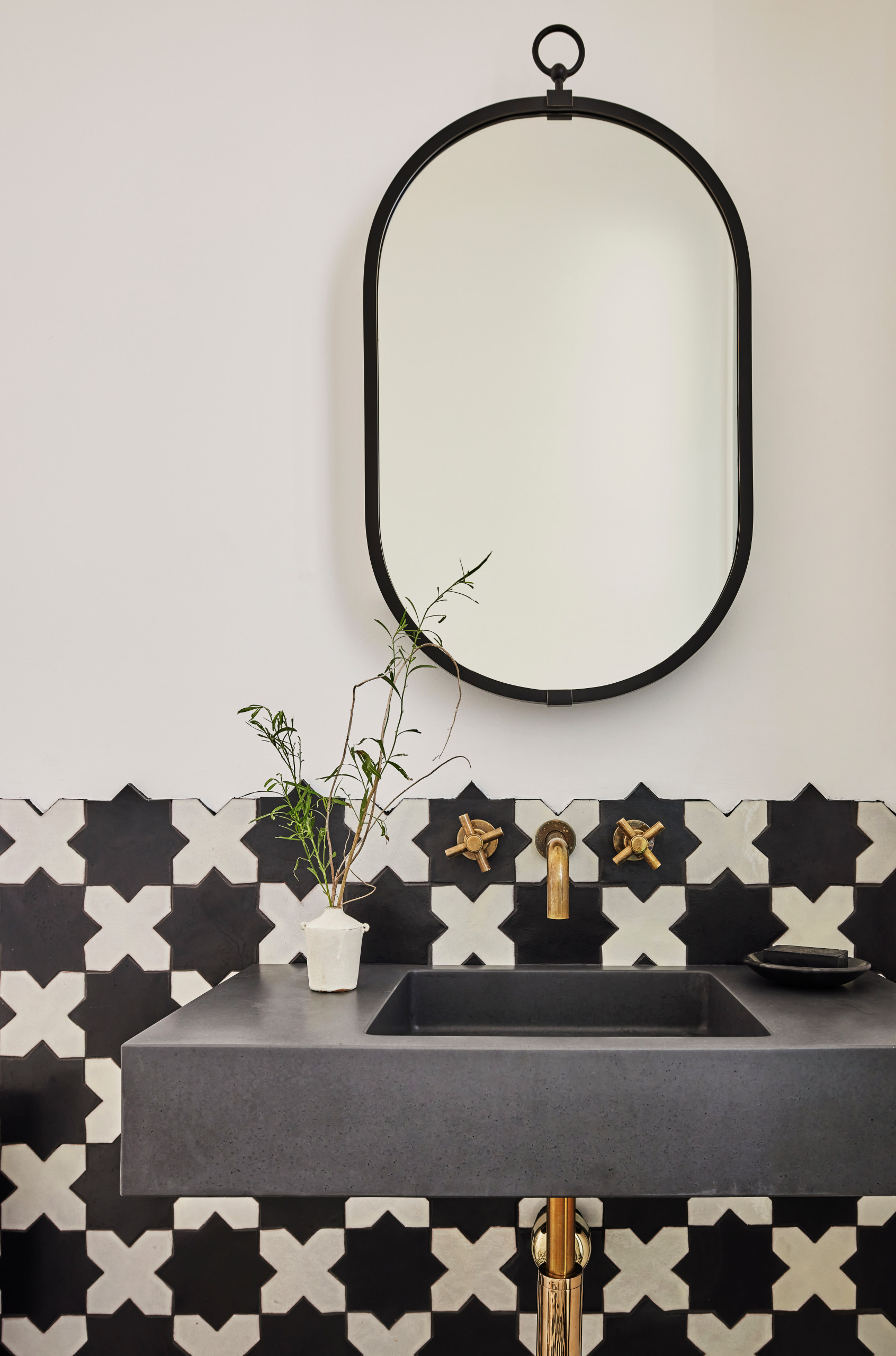
With a geometric tile, such as a star-and-cross, fish scale or a grid turned 45 degrees, the effect will look bold, unexpected and custom.
9. Mix Matte and Gloss
Layering glaze finishes — matte, satin and gloss — within the same palette creates subtle depth and dimension as light plays across the surface. A random mix has a subtly earthy vibe, while highlighting individual tiles with a contrasting glaze, such as the center of a windmill pattern, can help emphasize the layout.
Layering glaze finishes — matte, satin and gloss — within the same palette creates subtle depth and dimension as light plays across the surface. A random mix has a subtly earthy vibe, while highlighting individual tiles with a contrasting glaze, such as the center of a windmill pattern, can help emphasize the layout.
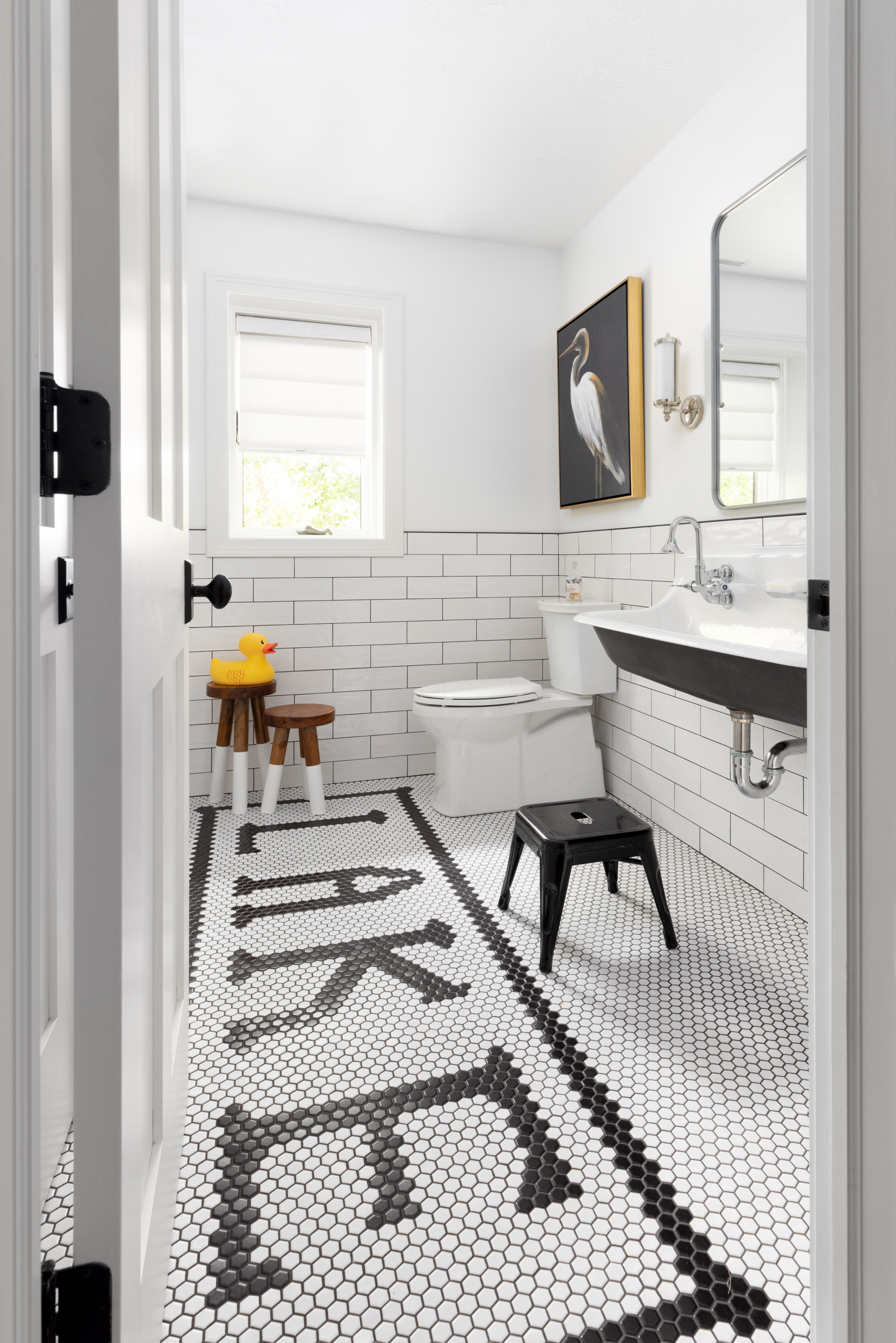
10. Personalize It
The petite scale of mosaic tile, such as penny or octagonal tile, makes it an ideal canvas for custom designs — including names and dates (sometimes called tile typography) as well as simple images and motifs. You or your designer can buy premade patterns or sketch a custom pattern, either on graph paper or by printing the design on oversize paper.
The petite scale of mosaic tile, such as penny or octagonal tile, makes it an ideal canvas for custom designs — including names and dates (sometimes called tile typography) as well as simple images and motifs. You or your designer can buy premade patterns or sketch a custom pattern, either on graph paper or by printing the design on oversize paper.
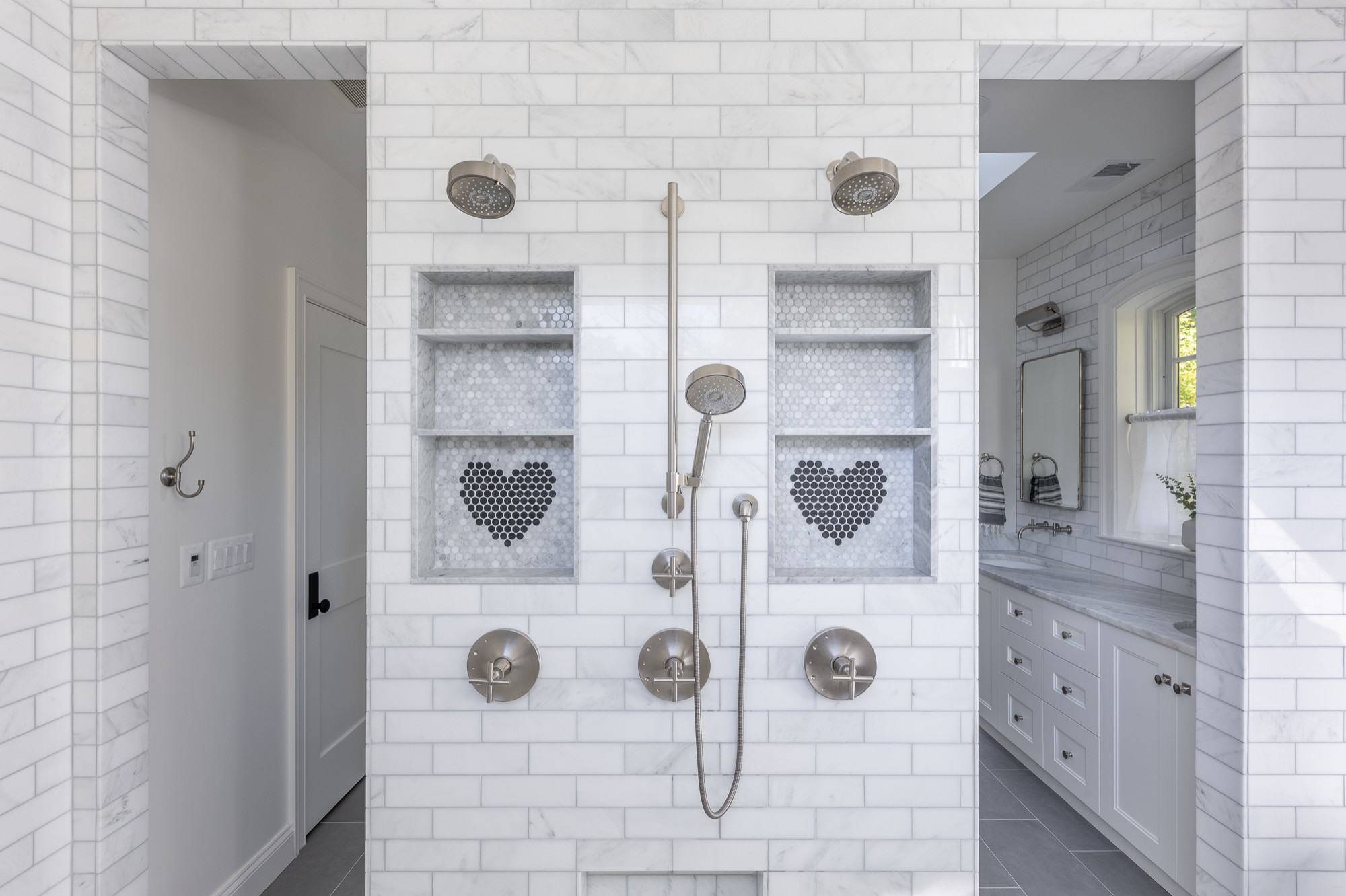
During installation, the design is typically transferred onto a sheet of tile, and individual pieces are swapped out for contrasting tiles by lifting them off the mesh backing.
It’s a simple way to add a little heart (ahem) to any tiled surface.
It’s a simple way to add a little heart (ahem) to any tiled surface.
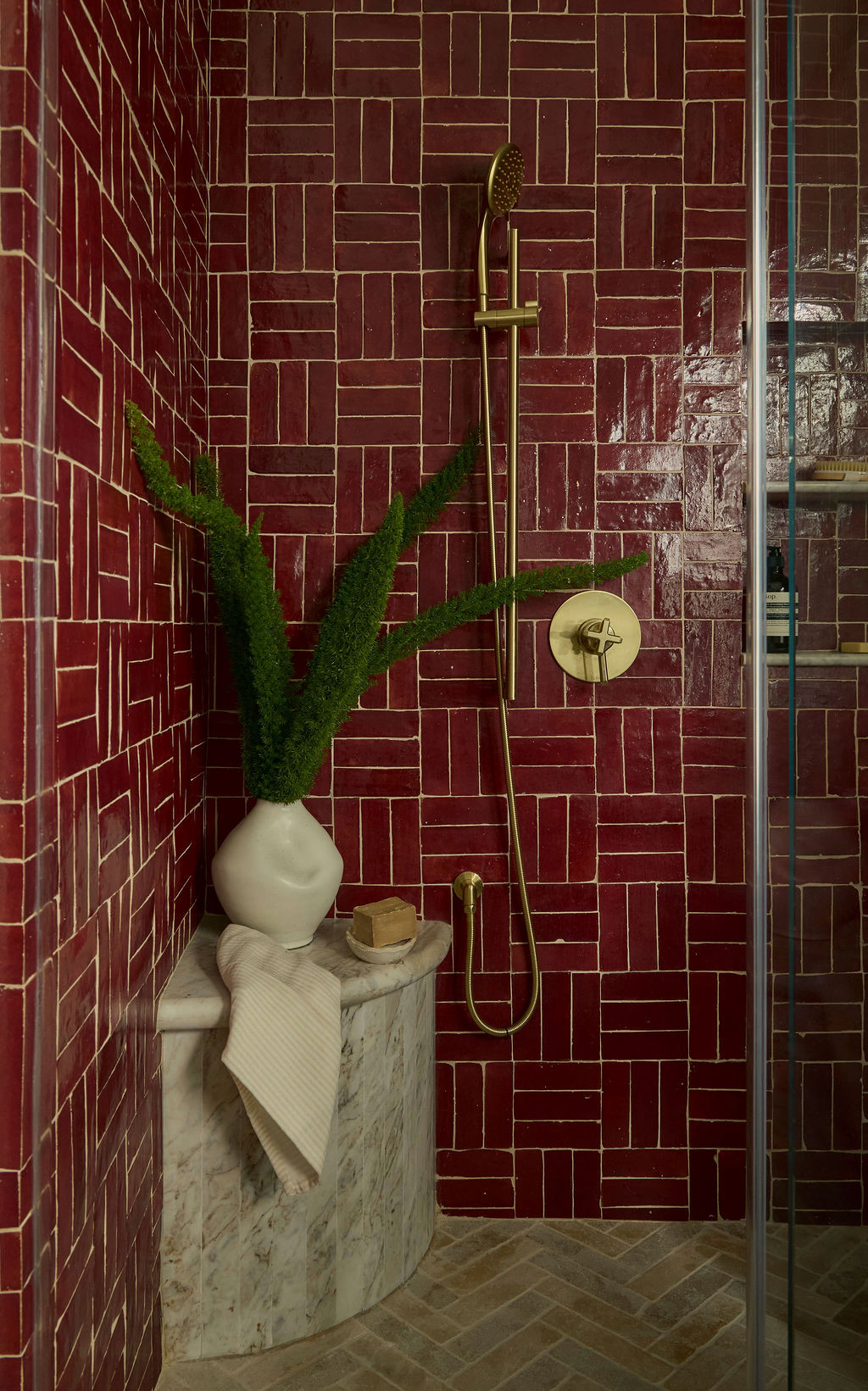
Your turn: Have you used tile in a creative way? Share a photo in the Comments.
More on Houzz
Read more stories about tile
Browse home design photos
Find a home professional
More on Houzz
Read more stories about tile
Browse home design photos
Find a home professional

Sponsored
Sponsored

Virginia's Award Winning One Stop Kitchen & Bath Remodeling Resource
A field of tiles in one color and finish has a pleasing uniformity. But even the simplest layouts can look completely different when tiles of varying colors are combined.
Find a design-build firm on Houzz