
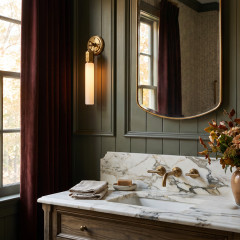
6 Tips for Better Project Photography on Houzz
Showcase your work, attract prospective clients and make a strong first impression

Strong project photography is an important tool for showcasing your work and attracting new clients. Professionally captured photos help viewers understand the spaces you create and appreciate the details and quality of your finished projects. They’re also versatile marketing assets that can help set your business apart.
On Houzz, high-quality photos let homeowners explore your portfolio as they browse design ideas and consider professionals for their own projects. They help build out your Houzz profile and give editors a chance to discover your work for editorial stories.
We spoke with Aimee Roth, who manages the nearly 20 million design photos on Houzz, about what makes a great home design photo. Her advice offers practical tips for creating photos that represent your work well on Houzz and beyond.
How Your Photos Can Work for You on Houzz
Uploading project photos to Houzz puts your work in front of millions of homeowners exploring design ideas, professionals and products.
Once your photos are on Houzz, they can help you:
Learn about Houzz Pro software
Uploading project photos to Houzz puts your work in front of millions of homeowners exploring design ideas, professionals and products.
Once your photos are on Houzz, they can help you:
- Showcase your work. Your photos appear on your professional profile and in your project portfolio.
- Reach homeowners. Homeowners can discover your work while browsing Houzz photos and save images to their ideabooks.
- Build engagement. Ideabook saves play a major role in consideration for the annual Best of Houzz awards.
- Get noticed by editors. Houzz editors may discover your work while looking for projects and images for editorial stories.
Learn about Houzz Pro software
6 Tips for Creating Great Project Photos for Houzz
1. Show Off Your Brand
Sharing project photos on Houzz and elsewhere online is an important marketing strategy that can help set your business apart. Roth suggests spending time browsing high-quality design photos and identifying what appeals to you about each image. This is how she trains new staffers on the photo team. Knowing what you like can help you share your goals with a photographer.
Images also communicate your design philosophy and brand, alongside other elements of your online presence. Your goals for Houzz, your website and social media can influence which photos you choose and how you shoot them, allowing you to present your business differently across platforms.
On Houzz, for example, users often have a project in mind. They may be browsing photos with the intent to remodel and hire a pro, and evaluating your style and abilities as a designer or builder. On social media, you might share photos of your process and offer more of an inside look at your personality.
5 Ways to Attract the Clients and Projects You Want
2. Light the Space Thoughtfully
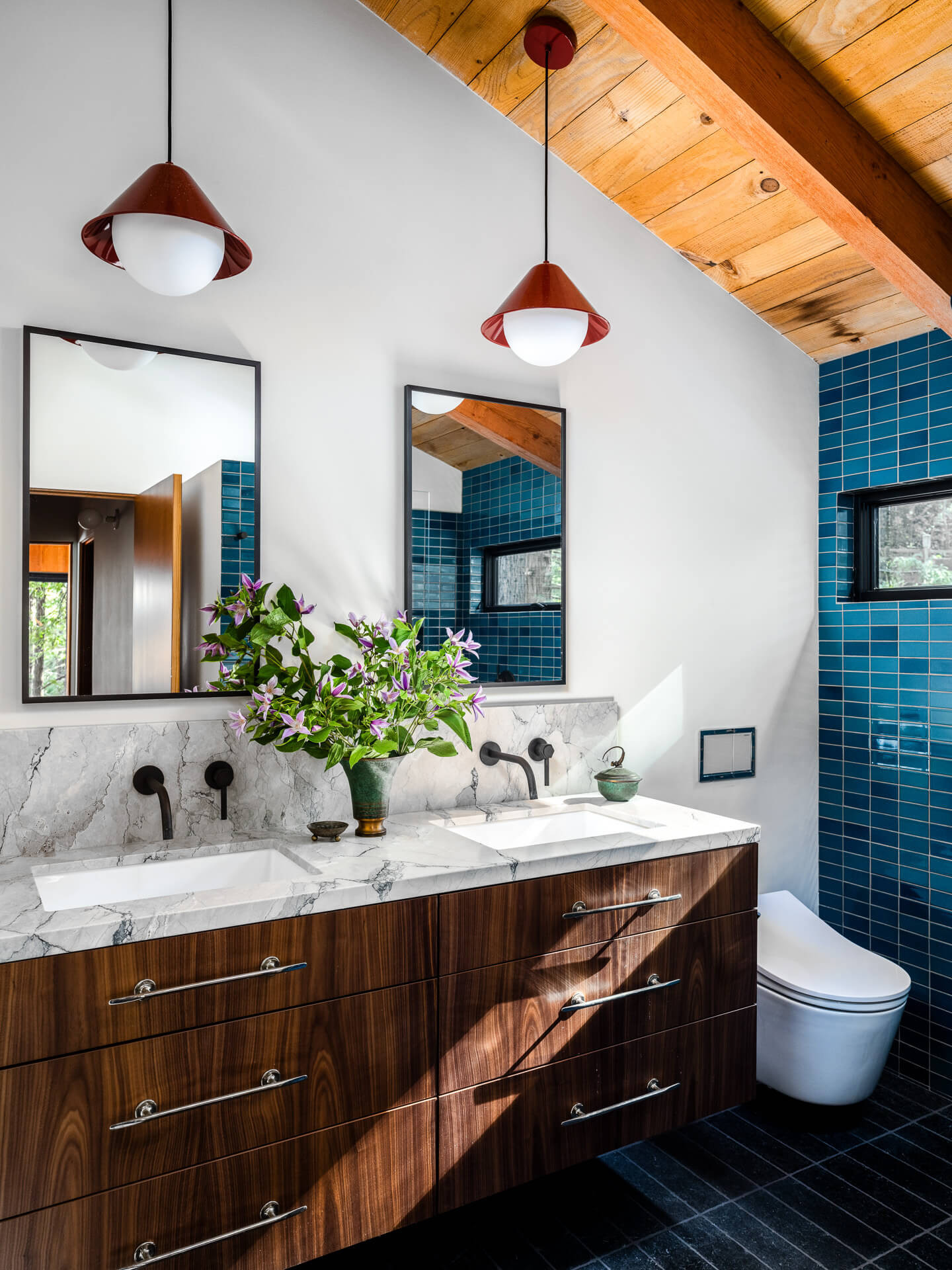
“Good lighting is the No. 1 thing we look for,” Roth says. Photos should be well lit and clear, showing off a room’s design features while creating an inviting atmosphere.
Natural light is often the most effective way to achieve this. “It provides a nice clarity to photos and an evenness to the color temperature that can be challenging to achieve with artificial lighting,” Roth says.
That doesn’t mean every room needs to be light and bright. Even darker, moodier spaces benefit from natural light. “This gives a real clarity to a photo, even in a room that is quite dark overall,” Roth says.
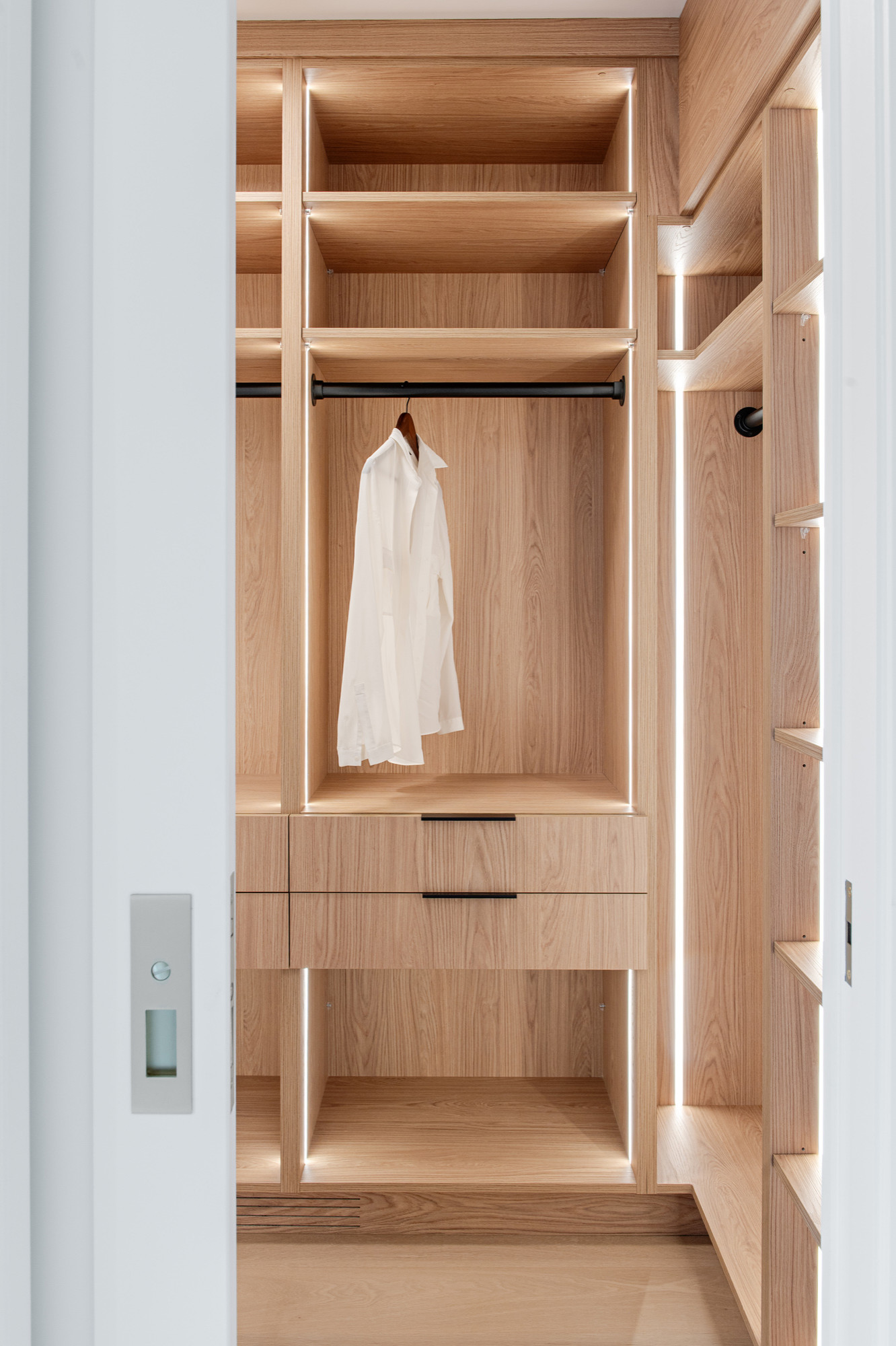
Use artificial light selectively to highlight features such as under-cabinet lighting or other elements where lighting is an important part of the design.
Getting clear, crisp results with artificial light can be more challenging, but a professional photographer has the tools and techniques to get the shot.
5 Mistakes to Avoid When Photographing a Project
Getting clear, crisp results with artificial light can be more challenging, but a professional photographer has the tools and techniques to get the shot.
5 Mistakes to Avoid When Photographing a Project
3. Create a Lived-In Feeling
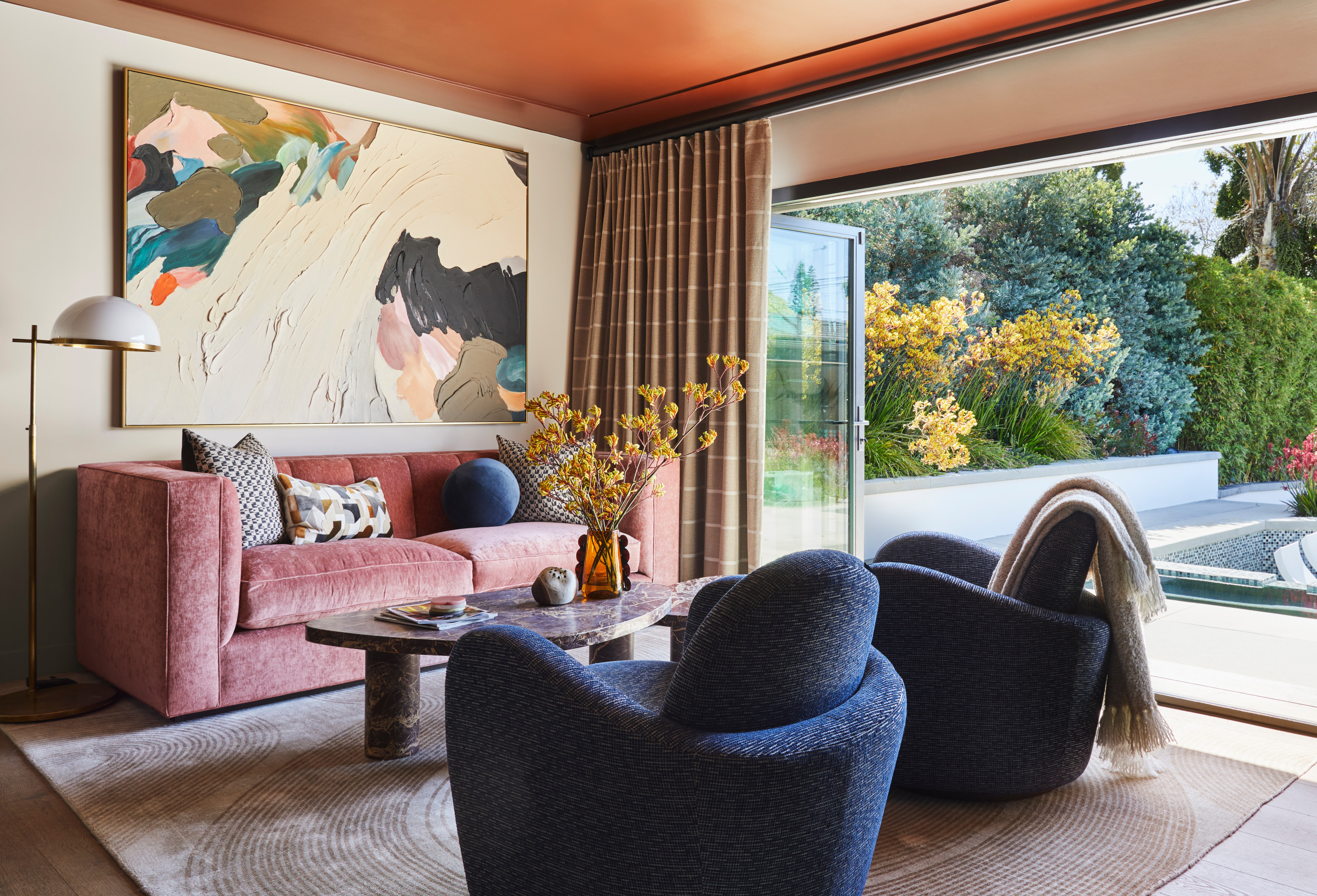
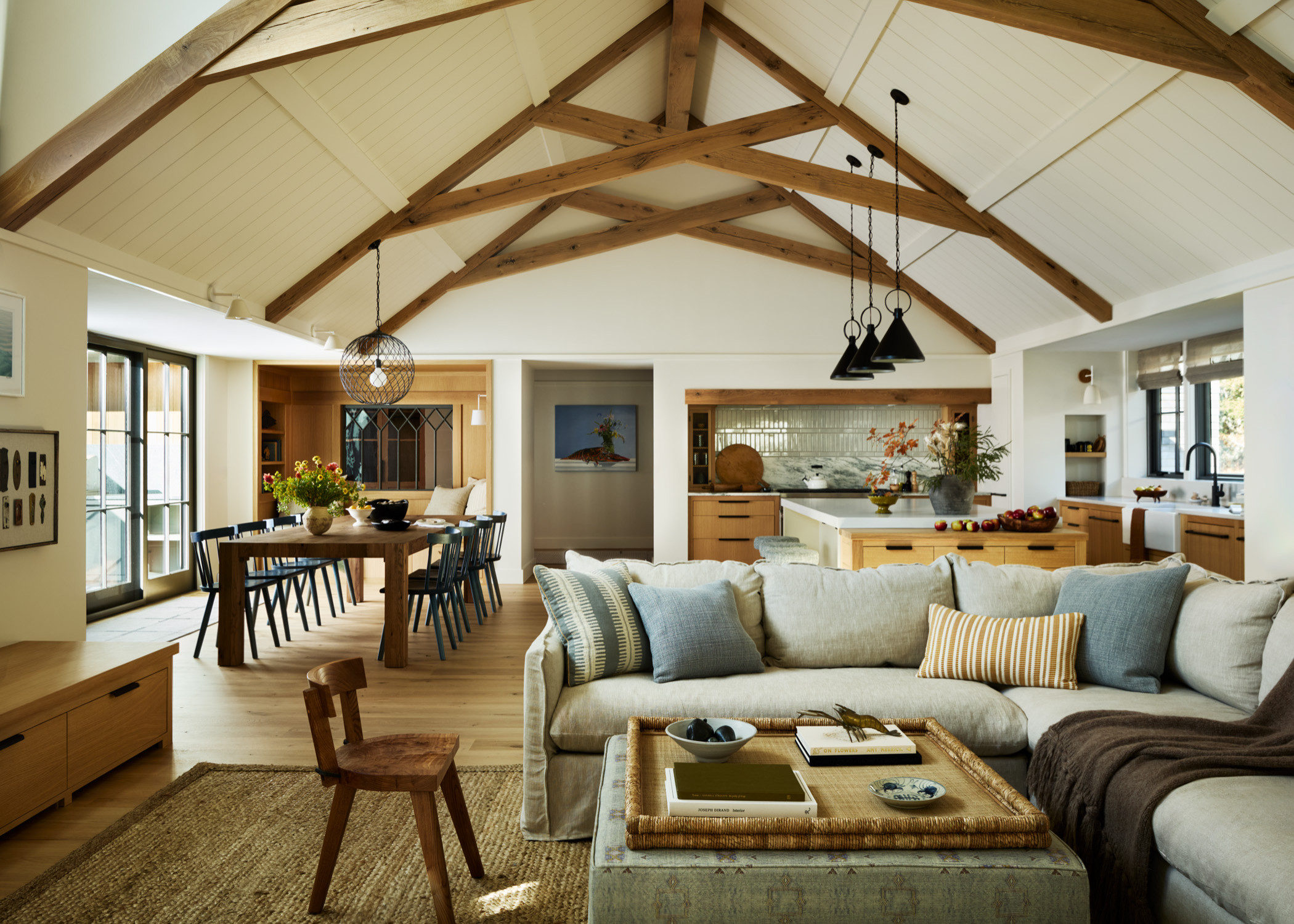
Furniture, decor and styling accessories can make a room feel finished, lived in and more appealing to prospective clients. “It makes it easier for homeowners to translate the vision as to how that could be their own space,” Roth says.
How you style a project depends on its design and the story you want to tell. “There’s going to be varying levels of how much stuff is needed in order for the space to feel complete,” Roth says. Art on the walls, styled shelves and layers of textiles, decor and pillows can help create an inviting space. “We don’t like to see empty rooms,” Roth says.
But there is such a thing as too much styling. “You don’t want to have things that are in the way of the camera or are blocking major details of the space,” Roth says. Choose elements that enhance the room without becoming the focal point or detracting from its design and architectural details.
4. Take Overall Views and Detailed Shots
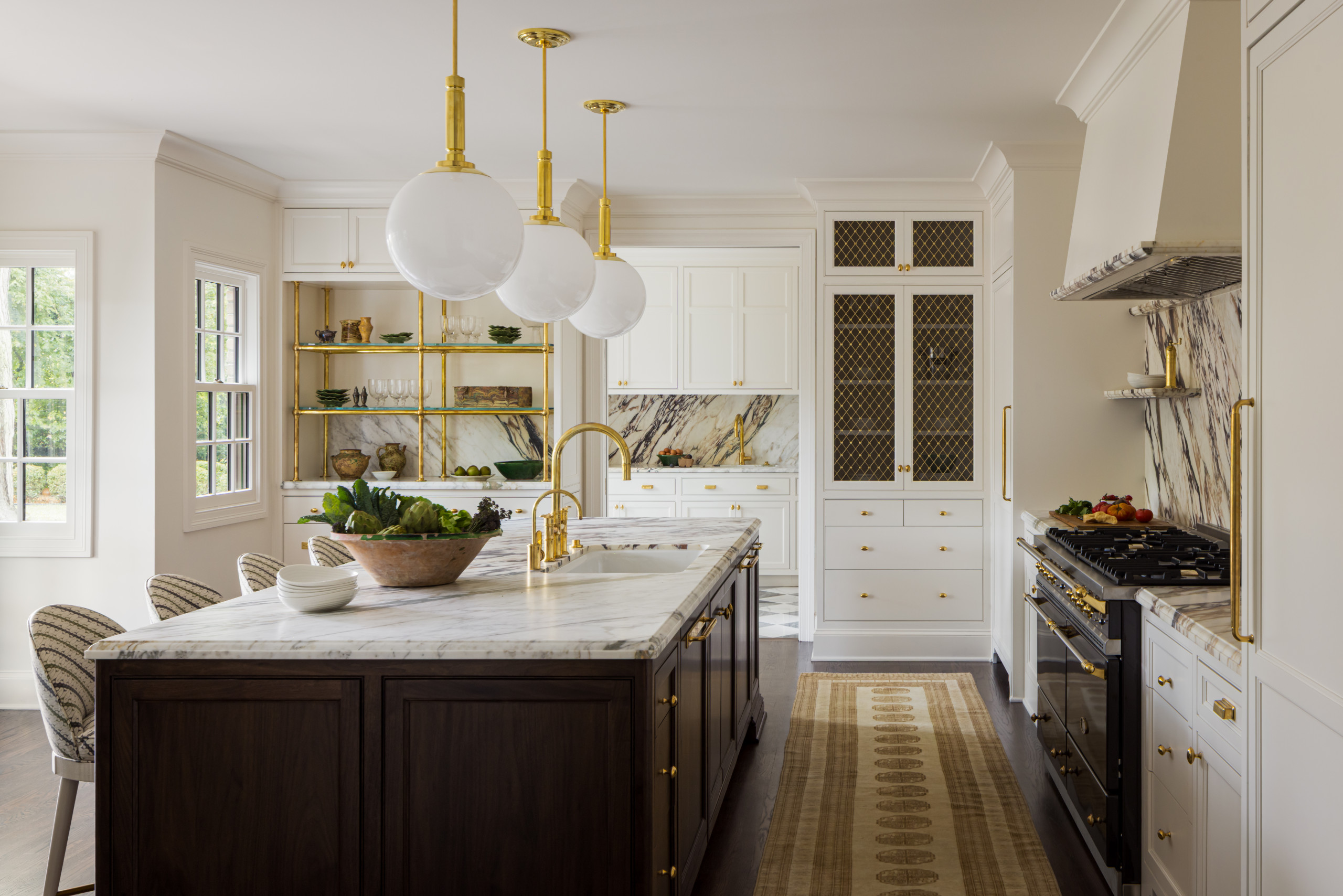
A great project portfolio includes one or two overall views of each room, along with closer shots of standout features and hardworking details. Together, these images help viewers understand how each space works while showcasing the details that set the design apart.
For large, open spaces that flow into one other, Roth suggests photographing each area separately. “You don’t want the photo to be so far back that you can’t see anything,” she says.
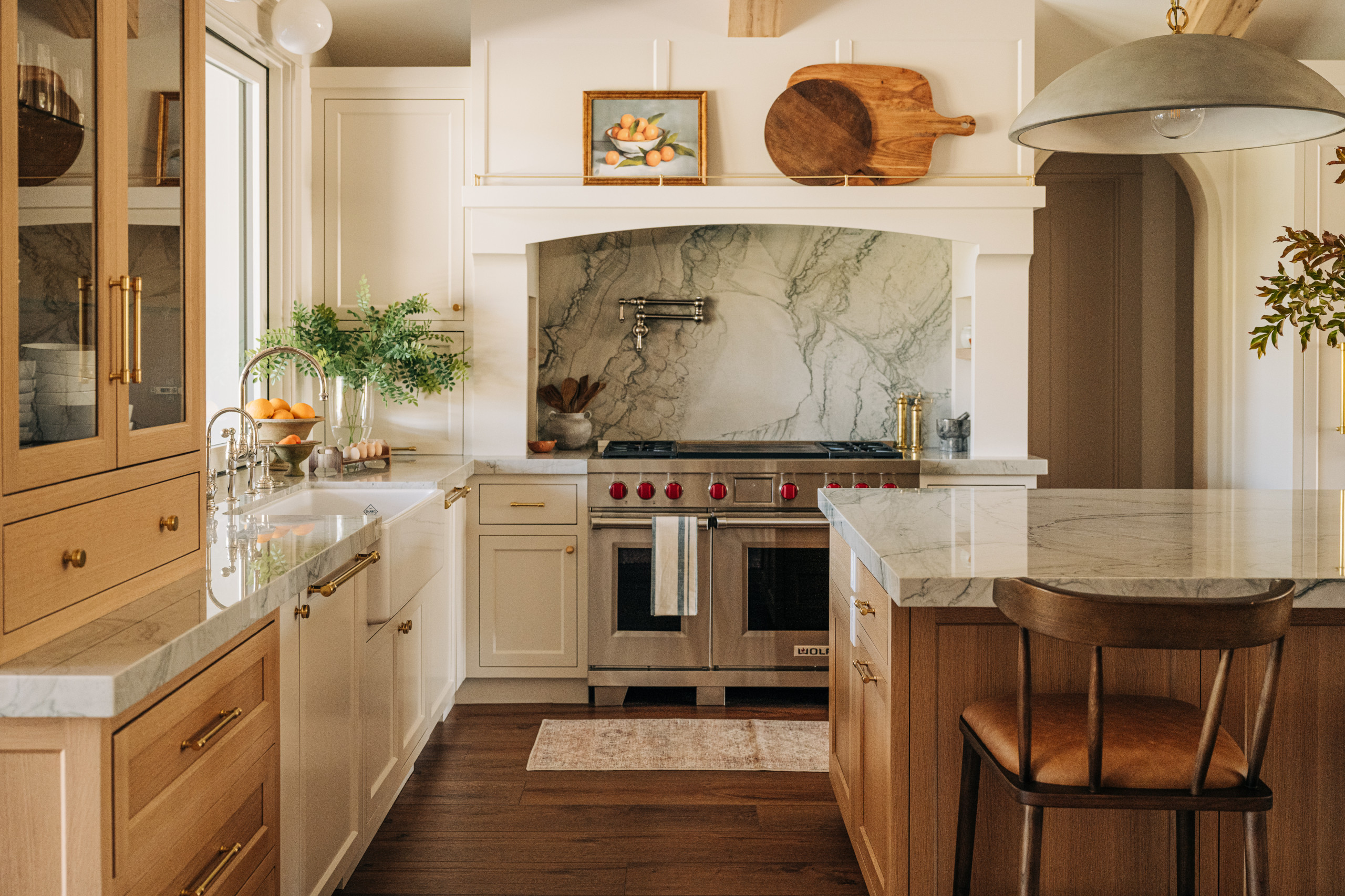
An overall view can also offer a glimpse into adjacent spaces and show how a room fits into the home’s layout. In this photo, for example, you can see into the pantry. “Getting that little glimpse into the pantry is really appealing,” Roth says. “That’s helpful to be able to see the relation between spaces.”
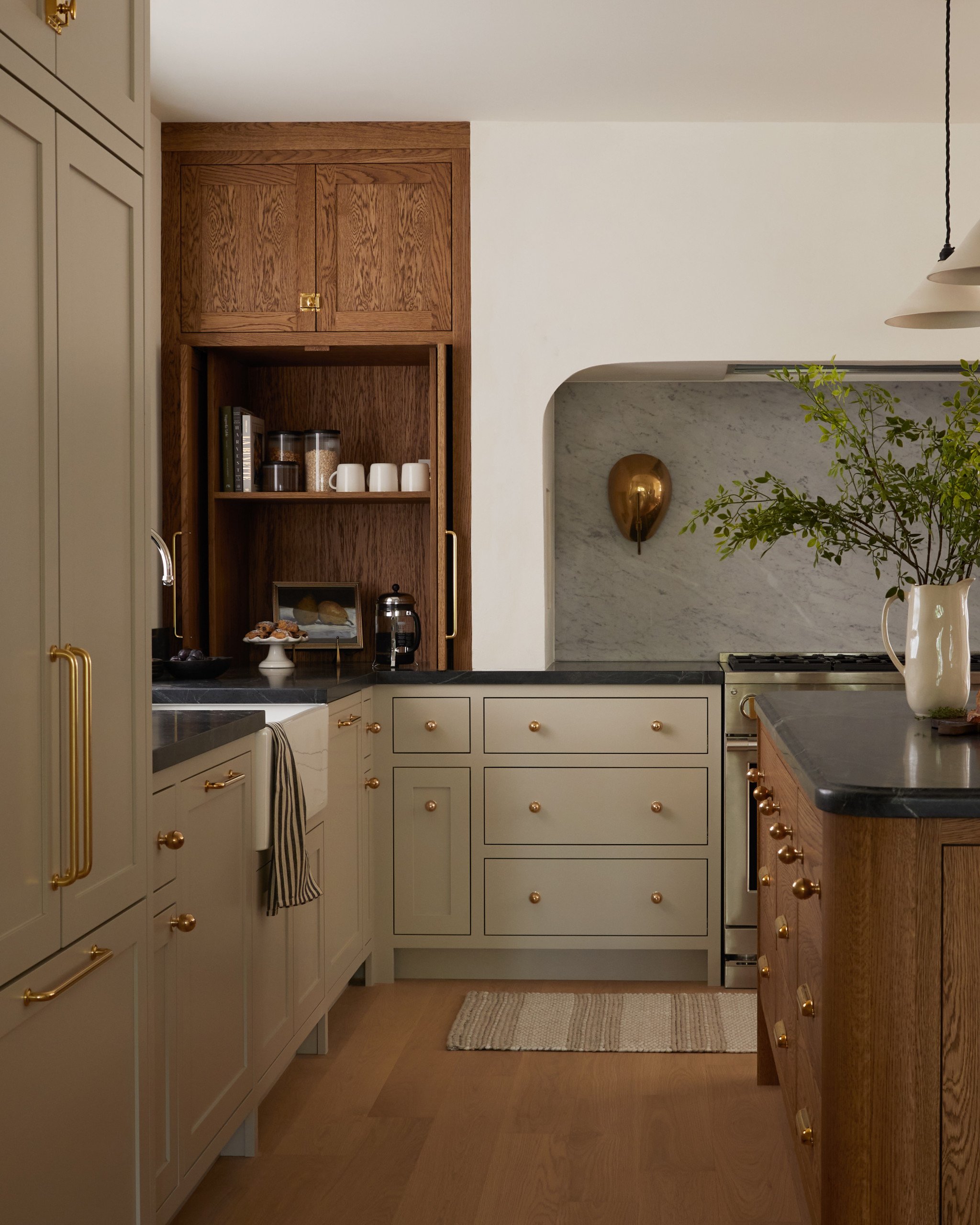
For detail shots, focus on what makes the space special, from one-of-a-kind light fixtures to intricate molding and countertops. As the designer or builder, you know which features are worth showcasing, so use that knowledge to guide your photographer.
How to Make Your Kitchen Photography More Clickable
How to Make Your Kitchen Photography More Clickable
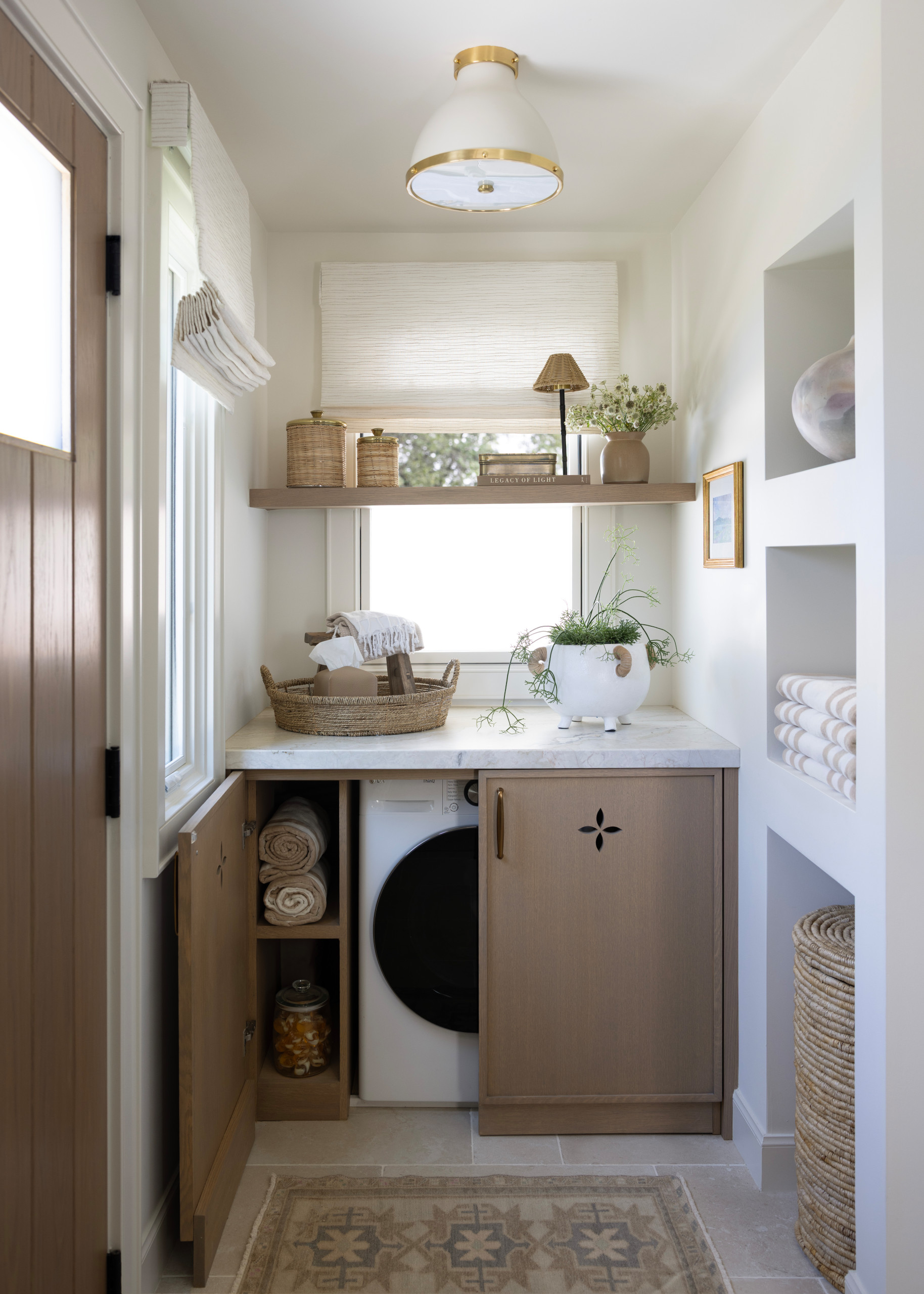
In hardworking spaces such as closets, kitchens and bathrooms, highlight features that improve functionality and help people imagine using the space. In this photo, for example, open cabinets show custom laundry room storage. “This photo is likely much more interesting and useful for homeowners than the same shot with all of the cabinets closed,” Roth says. “In general, people really like storage.”
5. Keep Angles Clean and Realistic
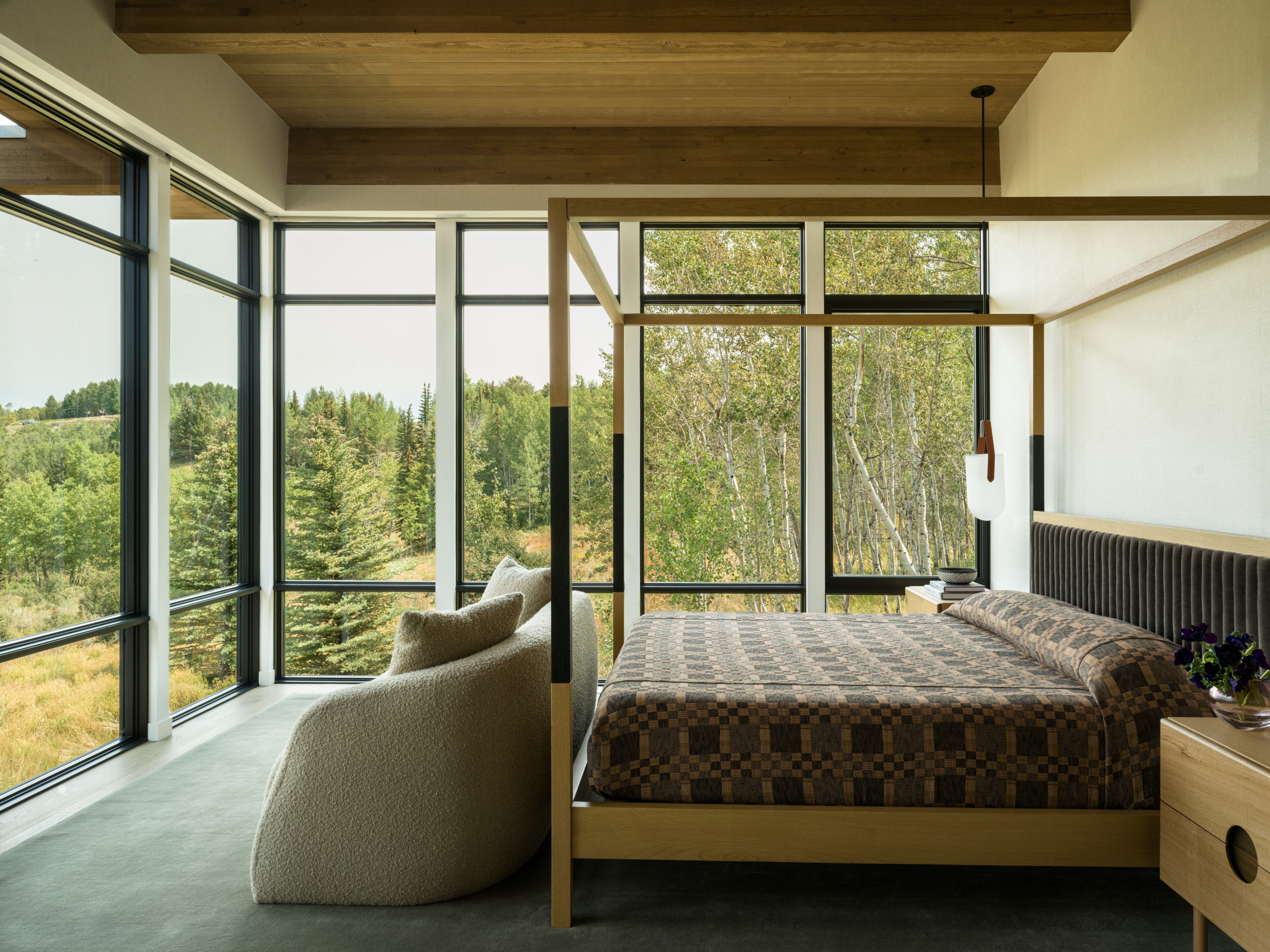
Photos taken from a height or angle that someone might naturally experience in a room help viewers imagine themselves in the space. “People can feel like they know what a space looks like,” Roth says.
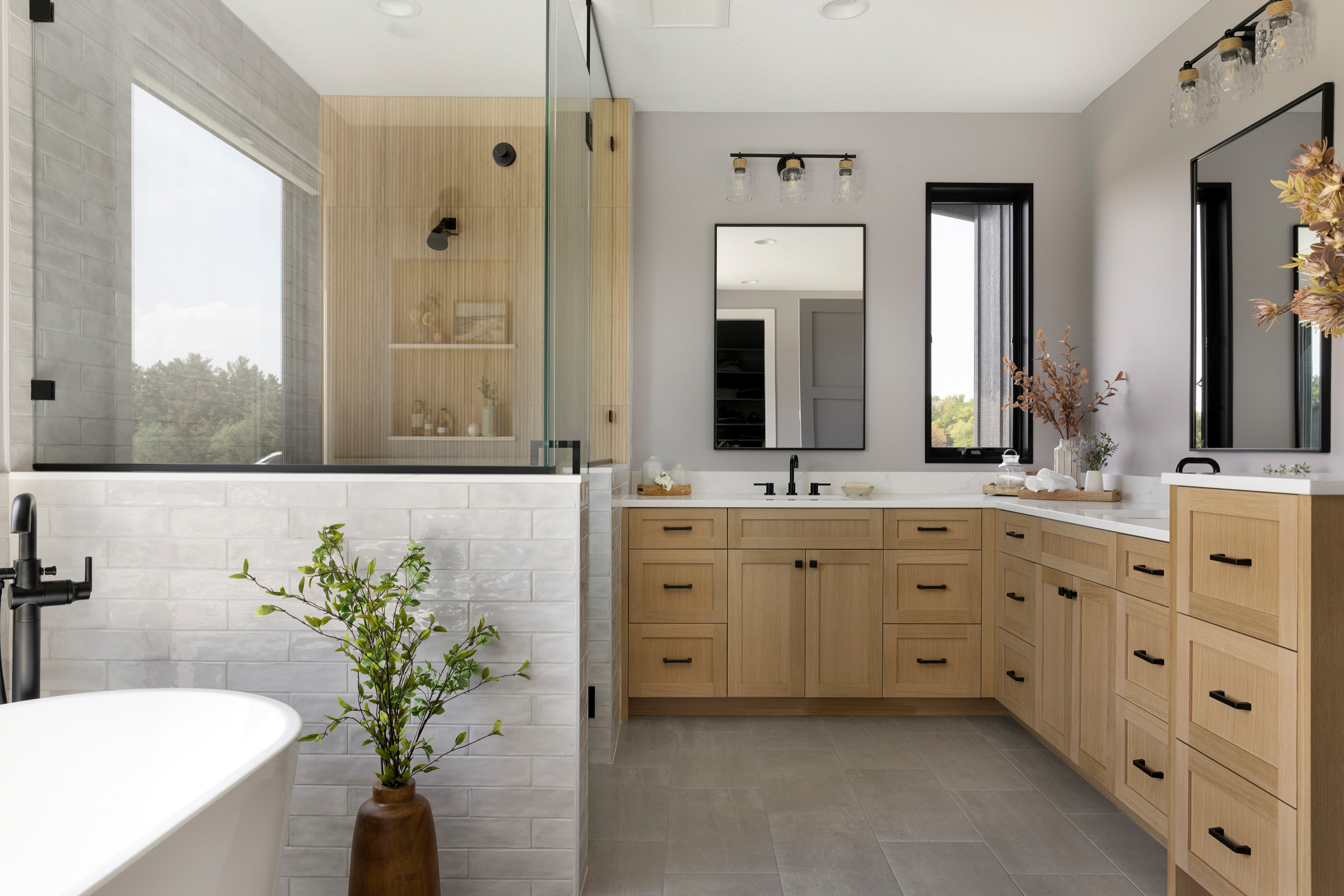
When shooting straight on, as shown here, keep vertical and horizontal lines straight.
Photos taken from a height or angle that someone might naturally experience in a room help viewers imagine themselves in the space. “People can feel like they know what a space looks like,” Roth says.
When shooting straight on, as shown here, keep vertical and horizontal lines straight.
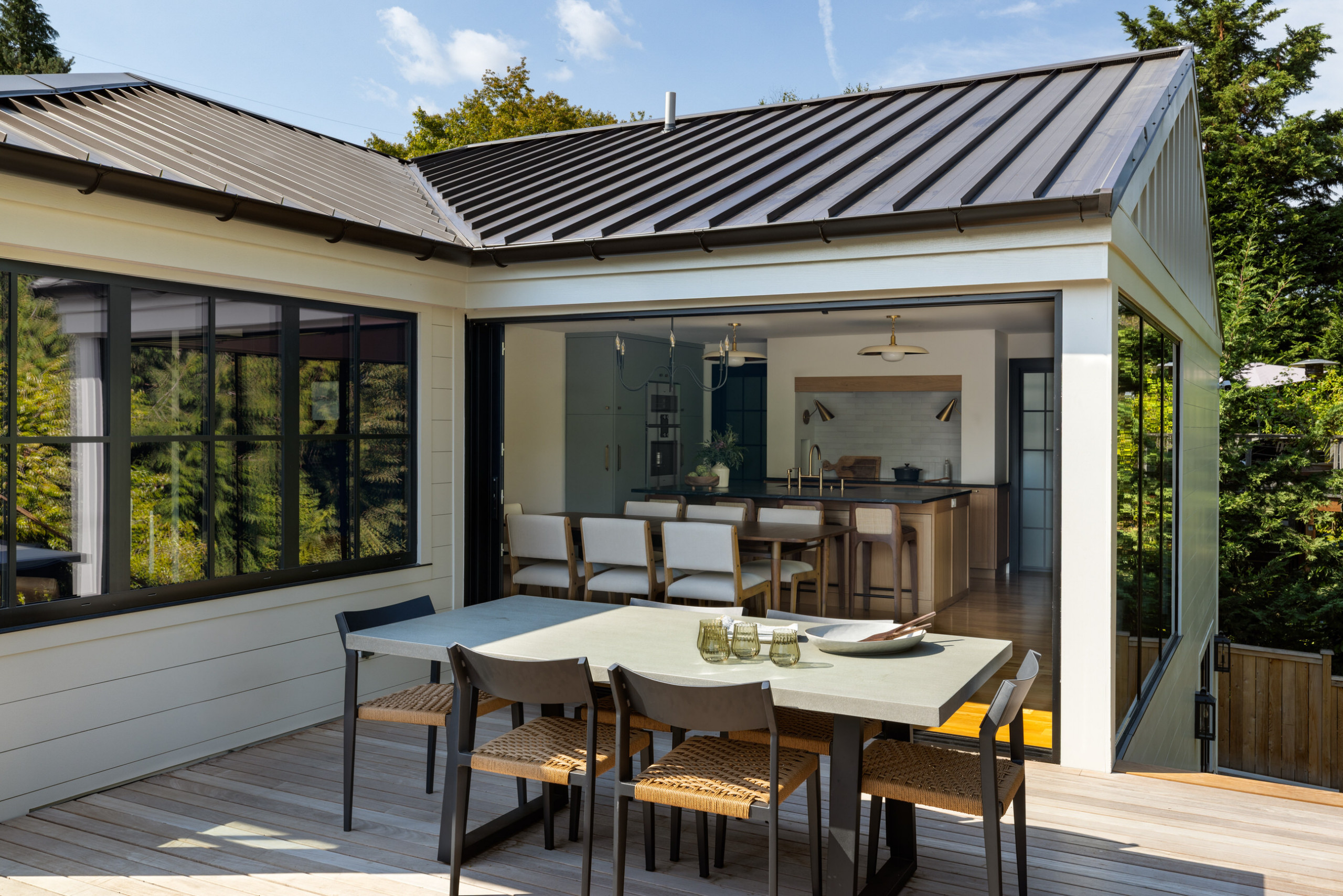
When shooting from a diagonal, keep vertical lines straight, as shown here. “If they’re off, it can make the space look off. That’s key to how your eye perceives a photo,” Roth says.
How to Take Great Photos of Your Outdoor Projects
How to Take Great Photos of Your Outdoor Projects
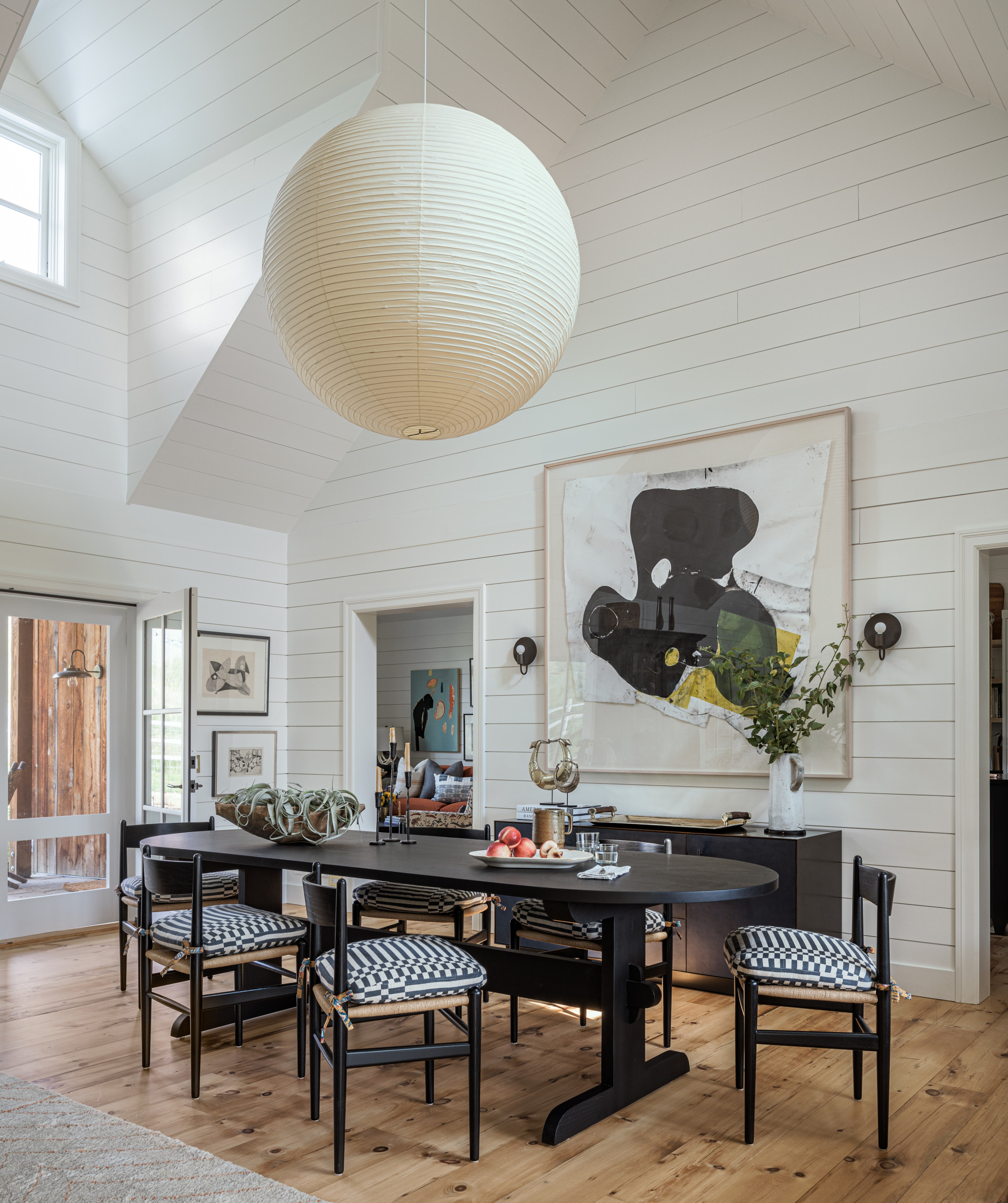
6. Include Both Vertical and Horizontal Shots
Ask your photographer to capture both vertical and horizontal shots of each room. Different orientations can highlight different features and give you more flexibility when sharing photos across platforms.
Horizontal shots tend to work well on the web, while vertical shots can be especially effective on mobile devices and social media. “Some spaces lend themselves to being vertical,” Roth says. “We definitely have lots of both orientations that are very popular.”
More Ways to Strengthen Your Project Photos
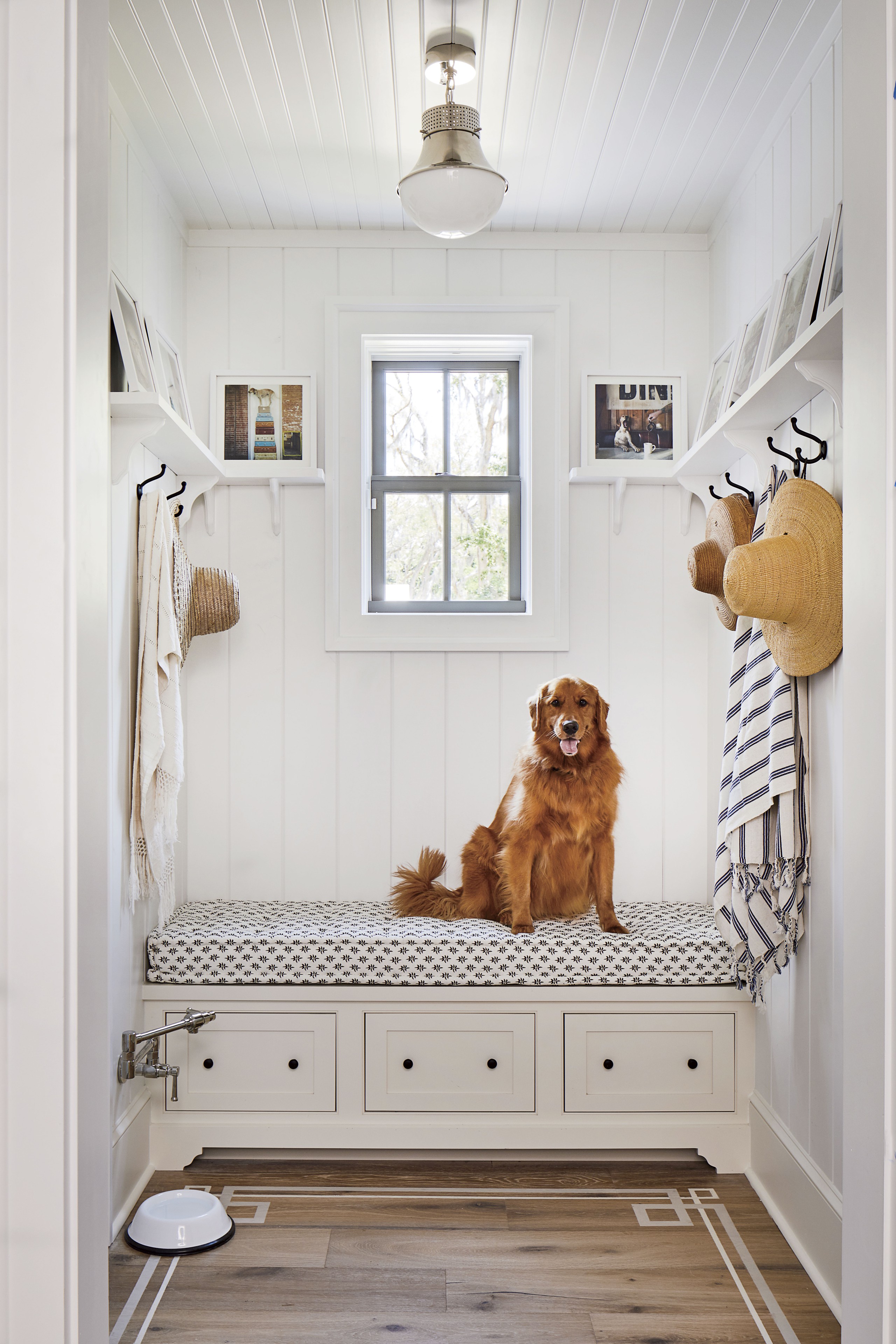
- Including people and pets. You probably don’t want people in every photo or posed too formally, but showing someone using the room or interacting with a special detail can help bring the design to life. If you include people or pets, consider taking an identical photo of the space without them too.
- Taking “before” photos. “Before” photos, ideally taken from the same angle as the “after” shots, can help tell the project’s story and show off your expertise. They’re a useful addition to a project uploaded to Houzz and may be handy if a Houzz editor features the project in an editorial story.
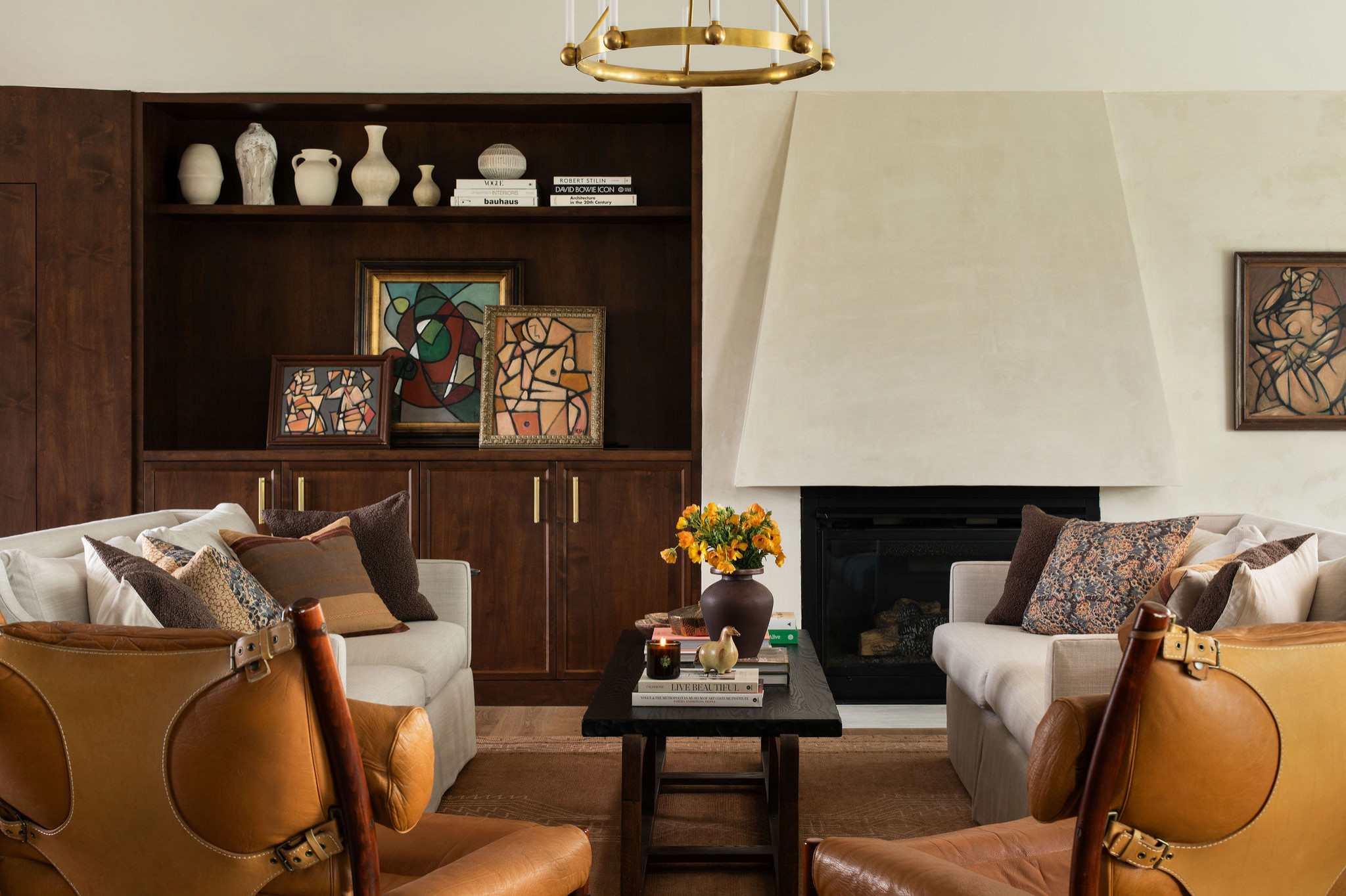
- Editing out cords, outlets and other elements. The goal is to show off your work while helping viewers understand how the space functions. Editing out cords, outlets or other less photogenic elements “can make a photo look better without being obvious,” Roth says. Avoid removing functional elements such as light fixtures, hooks or other details that help make the space work.
- Color processing. Professional photographers know how to edit images without detracting from the design or drawing attention to the editing itself. Overprocessed photos, on the other hand, can distort details or blow them out altogether. “It can become very obvious that a photo has been filtered to a point where it’s unnatural,” Roth says.
- Using AI. New tools make it easier than ever to enhance or even create images of designed spaces. If you use AI, do so thoughtfully. On Houzz, choose photos that accurately represent physical spaces and don’t mislead viewers or misrepresent your designs. Images that are clearly AI-generated may be removed from the photo feed and recategorized as renderings.
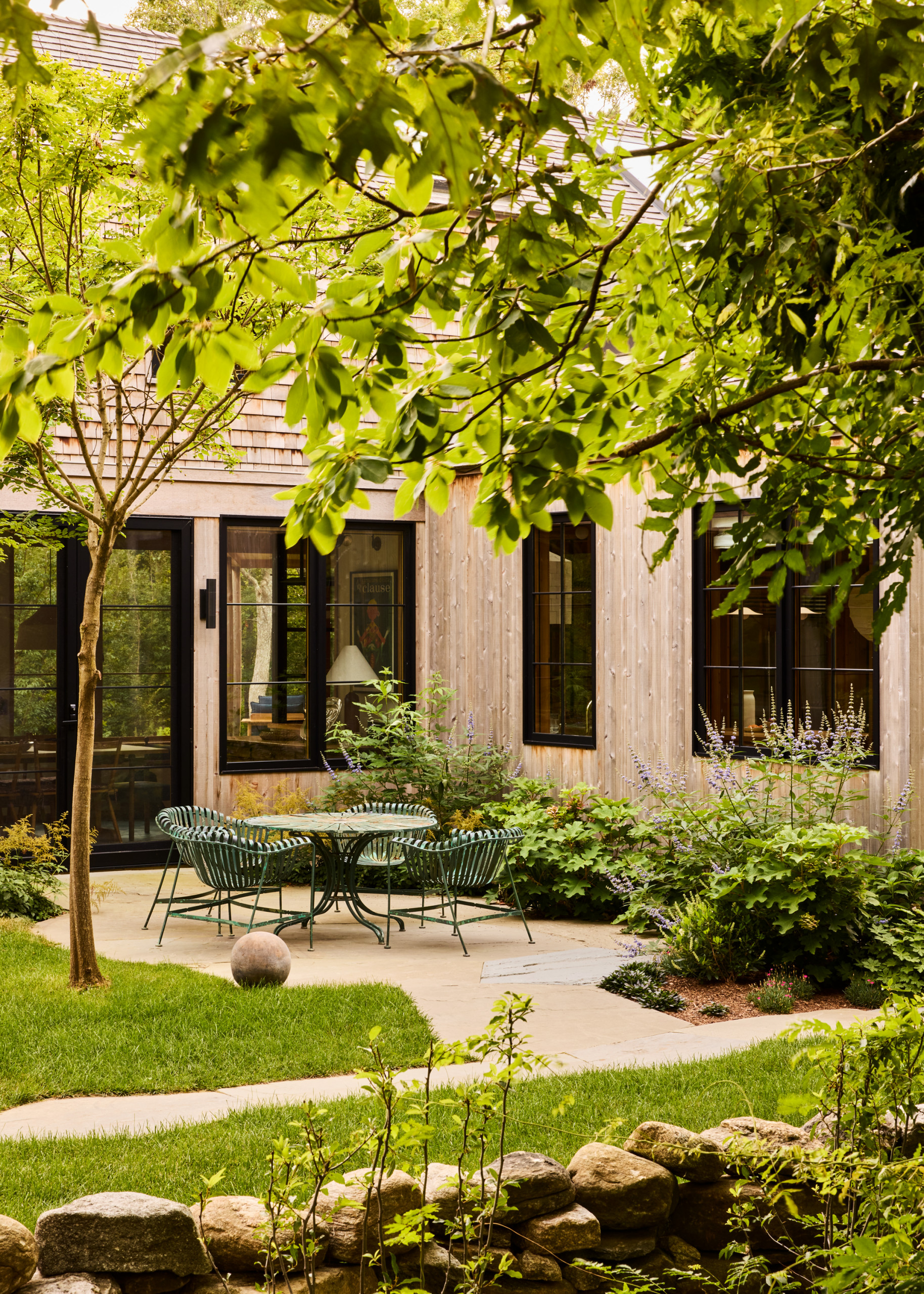
- Adding watermarks. Whether to add watermarks is a personal preference, but they’re discouraged on photos uploaded to Houzz.
More for Pros on Houzz
Read more stories for pros
Browse millions of photos for inspiration
Learn about Houzz Pro software
Talk with your peers in the Houzz Pro Forum

Sponsored

Beautifully composed, professional photography can make a big difference in how you present your work and how potential clients perceive you. High-quality images create a strong first impression and show the professionalism and attention to detail you bring to your projects.
While hiring a photographer is an upfront cost, it can be a worthwhile investment in your business. A professional who specializes in architecture and interiors knows how to frame a scene, work with light and capture the details that set your projects apart.
These photos can become long-term marketing assets that you use on Houzz, on your website, on social media, in press submissions and for award entries.
Find a professional photographer near you