

How to Set Up a Productive and Beautiful Edible Garden
These 8 design strategies will help you design a hardworking kitchen garden that’s as gorgeous as your ornamental beds

With a thoughtful layout and careful selection of plants, edible gardens can be destinations in the garden, not just for harvesting but also as places of beauty. Here are eight design strategies for setting up your kitchen garden — no matter how big or small it may be — into a garden that’s both bountiful and a feast for the eyes.


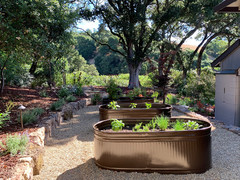
Small edible gardens can benefit from an orderly layout as well. In this urban garden the designers used galvanized stock tanks drilled with drainage holes as planting beds for greens, herbs, tomatoes and other crops. The tanks, arranged on either side of a gravel and paver path, provide order to the design and make watering, checking for pests and harvesting a cinch.
See more ways to use galvanized-metal troughs in the garden
See more ways to use galvanized-metal troughs in the garden

2. Plant low to high. Position low-growing plants, like herbs and strawberries, toward the front of a bed, and taller ones, like chard and tomatoes, toward the back. Planting in height bands not only looks good, it also makes it easier to keep track of crops and keeps them from shading each other as they grow. Plant vining plants, such as cucumbers and pole beans, against bamboo trellises at the back of the bed.

Plant larger-scale vines like blackberries and boysenberries in areas where they have room to ramble, such as along a sunny back fence or garden wall, and won’t compete for space with other edibles. In small gardens — or if you’d like the berry brambles close to other beds — it may make sense to choose a thornless variety.
Plant to try: ‘Navaho’ or ‘Apache’ are two thorn-free blackberry varieties that produce large berries with good flavor.
Plant to try: ‘Navaho’ or ‘Apache’ are two thorn-free blackberry varieties that produce large berries with good flavor.
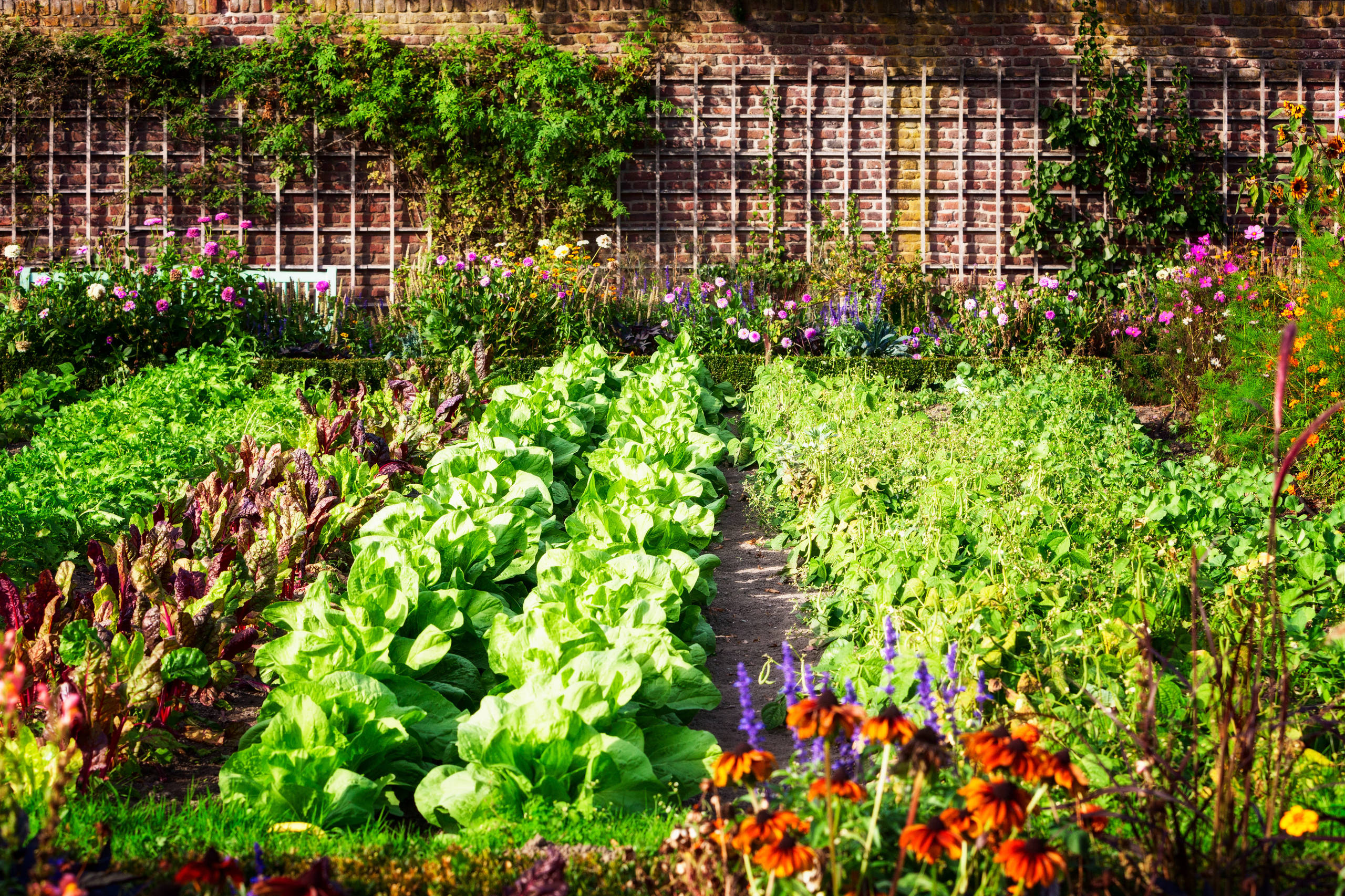
3. Leave no space unproductive. Any space in a bed that’s left unplanted but receives water will be a prime weed-growing spot. Filling beds completely with edibles not only results in a garden that looks like a lush, colorful tapestry, it also helps beat out weeds.
At planting time, check the plant tags or seed labels for each crop you’re planting, and plant according to the package instructions, or a little bit tighter, to achieve a lush look that suppresses weeds.
At planting time, check the plant tags or seed labels for each crop you’re planting, and plant according to the package instructions, or a little bit tighter, to achieve a lush look that suppresses weeds.
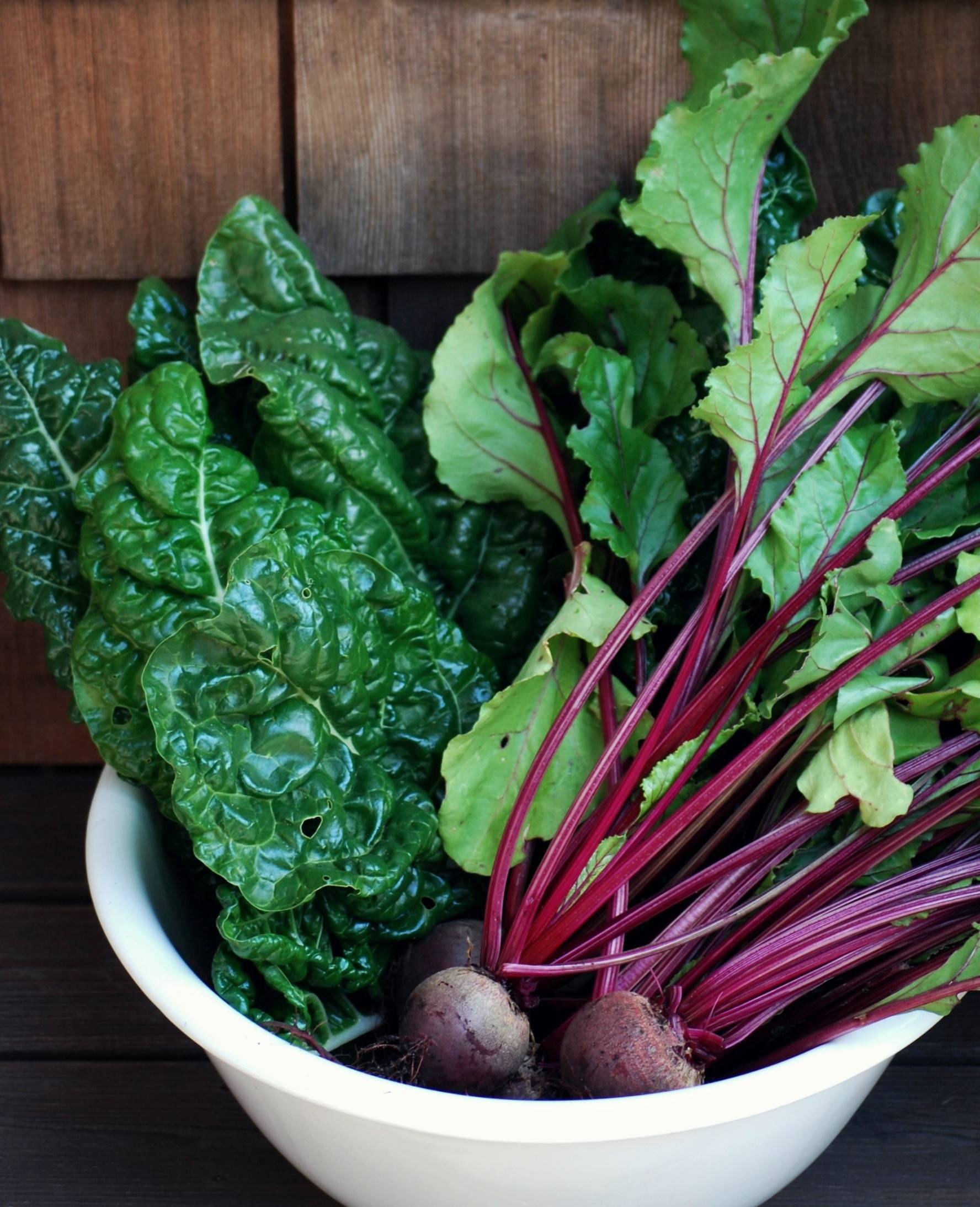
4. Beat the supermarket. When choosing which varieties to grow in your edible garden, opt to include a large variety of plants with different colors, plant forms and great flavor. Crops like asparagus, baby carrots and sweet corn start to lose their flavor and sweetness from the moment of harvest. Others, like heirloom tomatoes, boast exceptional flavor and unusual colors and forms that aren’t usually found at supermarkets.
If you have room for a row of salad greens, for example, consider planting lettuce varieties with red, green and speckled foliage, tender spinach, spicy mustard greens and something unusual like wood sorrel, purslane or claytonia greens. The result is a garden that’s bursting with a variety of color, foliage and crops that can spice up your kitchen routine.
Open Up a World of Color and Flavor With These 10 Edible Plants
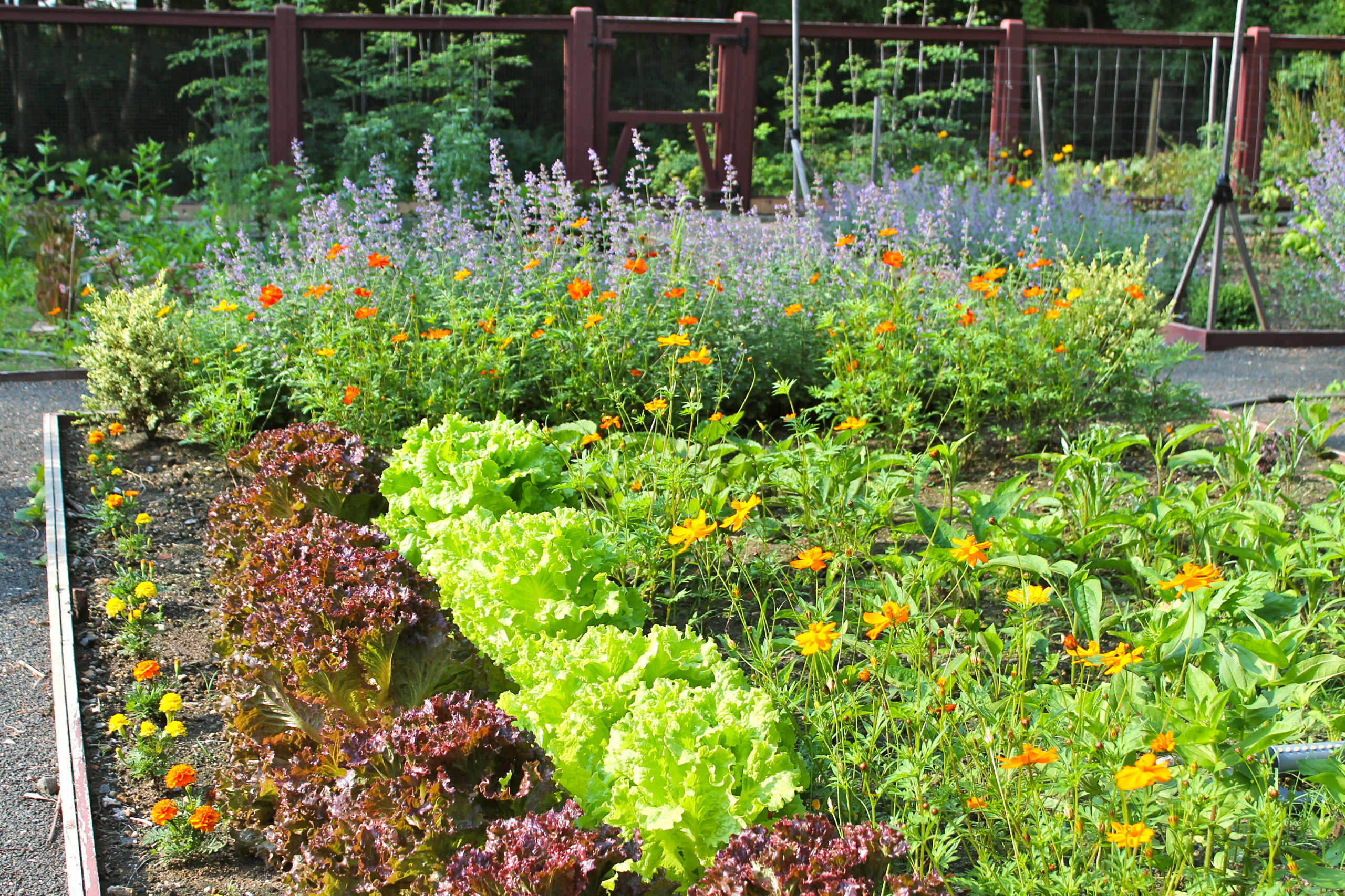
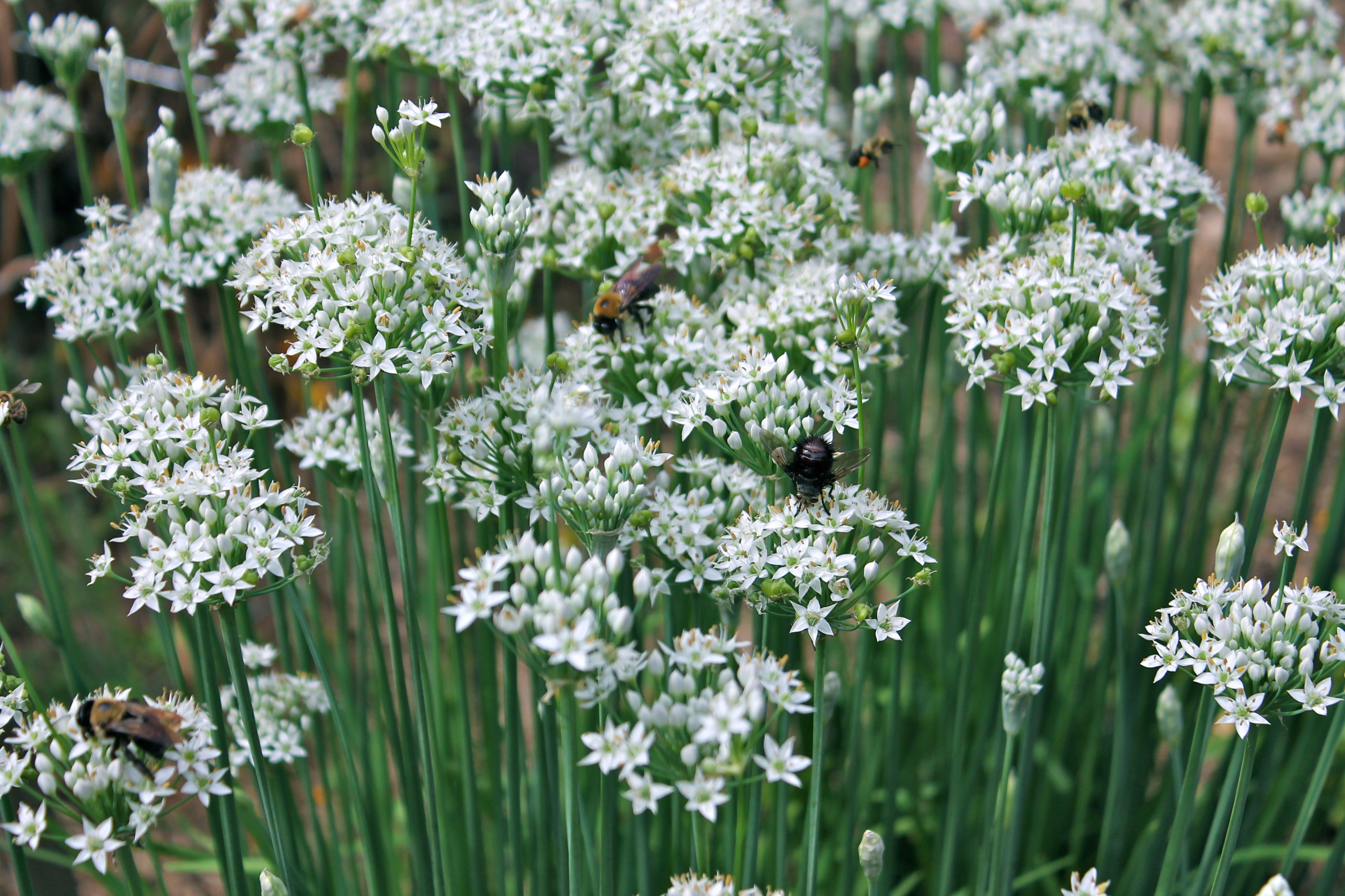
5. Mix in flowers. Adding flowers to the edges of kitchen gardens, or worked into the beds themselves, not only looks beautiful, it also boosts your harvest. Choose bee- and butterfly-friendly varieties like scabiosa, beebalm, calendula, salvia, zinnias, cosmos, coreopsis and echinacea. Some flowers, like marigolds and others in the Tagetes genus, may also help deter insect pests from targeting crops. Plant edible flowers like borage or nasturtium for a win-win-win situation: They’ll beautify beds, bring pollinators and look great on the plate.
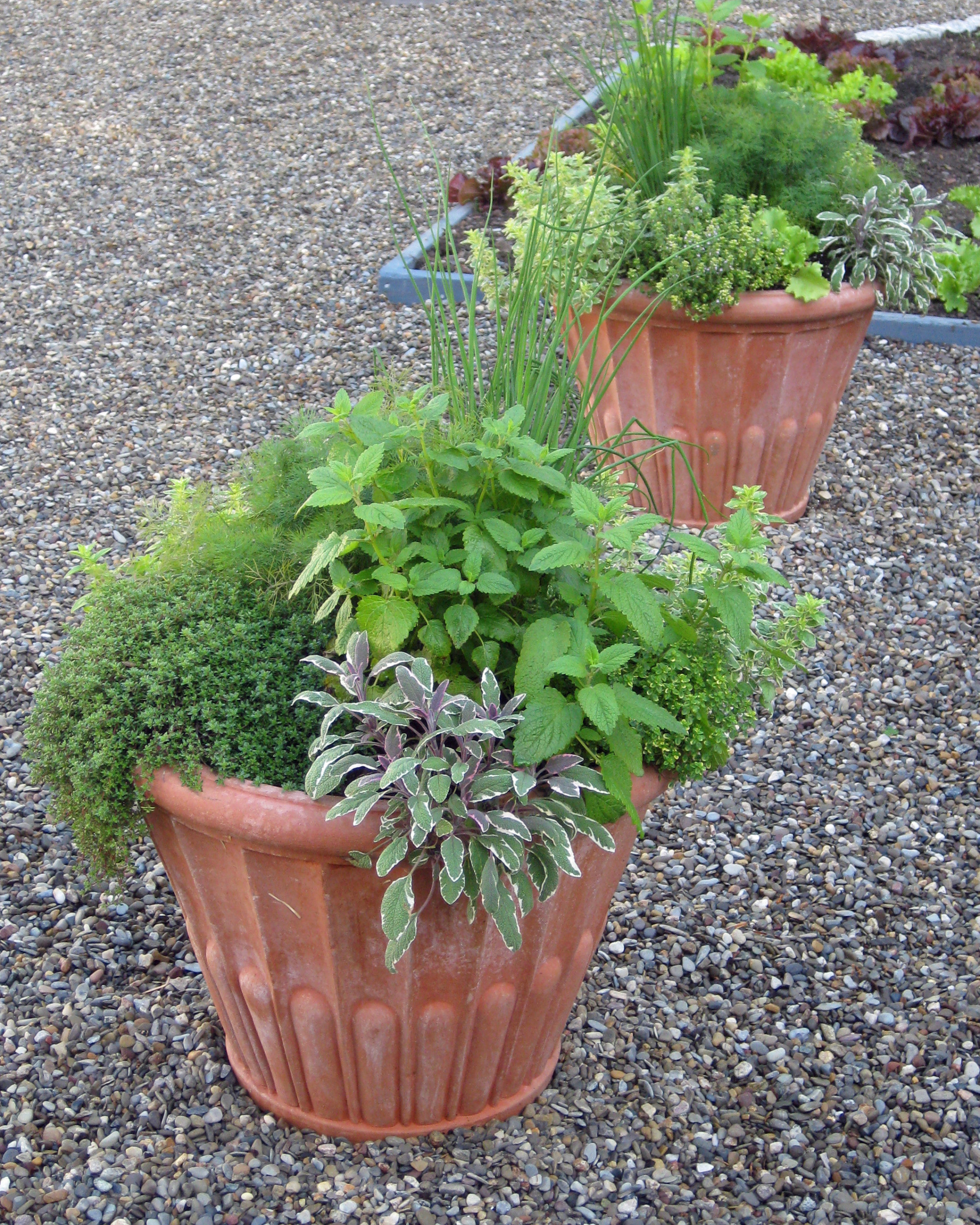
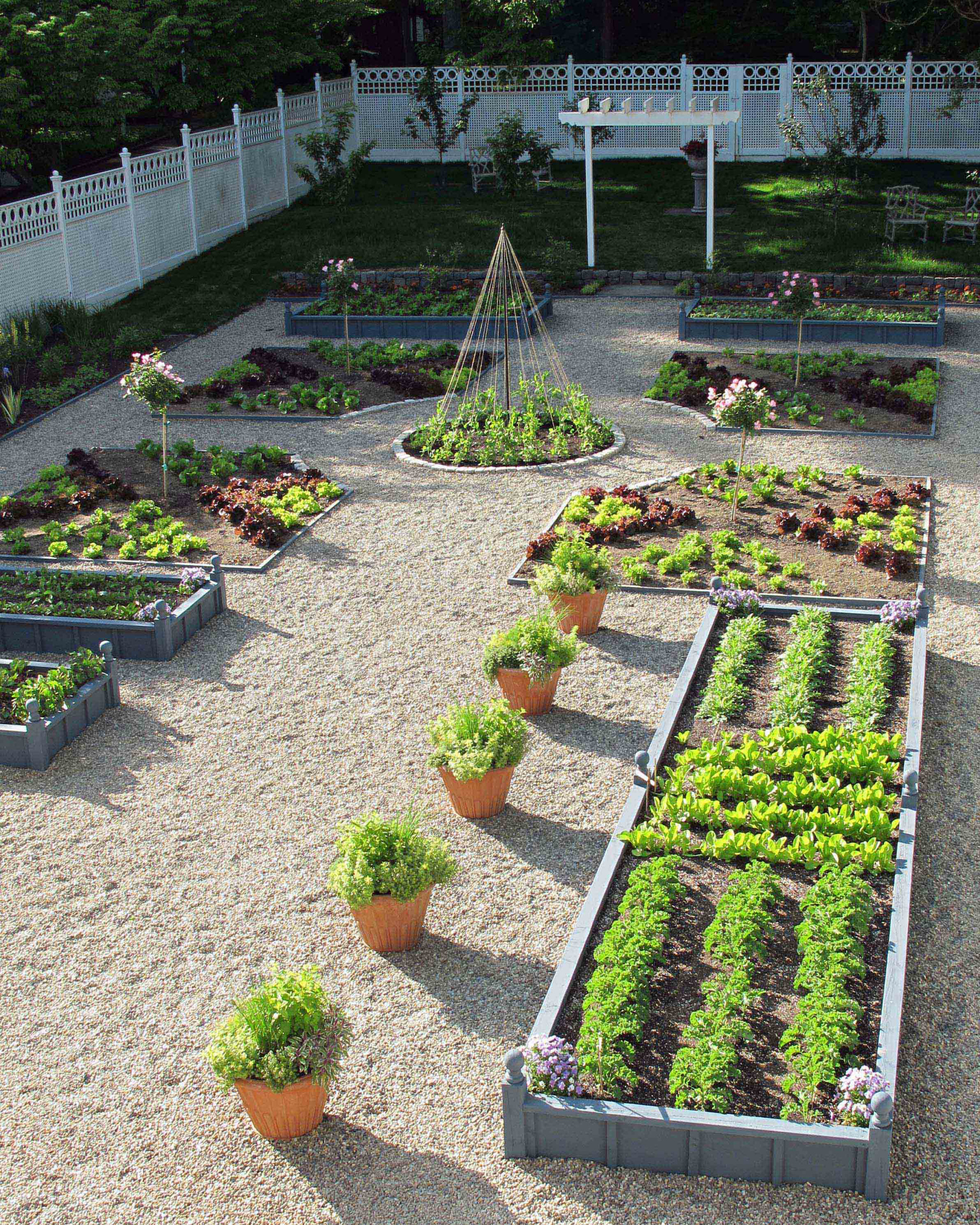
6. Make use of pots. Potting up a few accent containers can add nice visual contrast to edible beds, and it’s a good way to corral things you pick frequently in one place. For example, these terra-cotta pots filled with herbs make it easy to grab sage, thyme, mint, chives or oregano as needed.
In small gardens, patios and urban spaces, using containers can also help bump up your growing space. If you’re looking to really maximize growing space, use large-scale containers such as wine barrels, feed troughs or large terra-cotta pots.
In small gardens, patios and urban spaces, using containers can also help bump up your growing space. If you’re looking to really maximize growing space, use large-scale containers such as wine barrels, feed troughs or large terra-cotta pots.
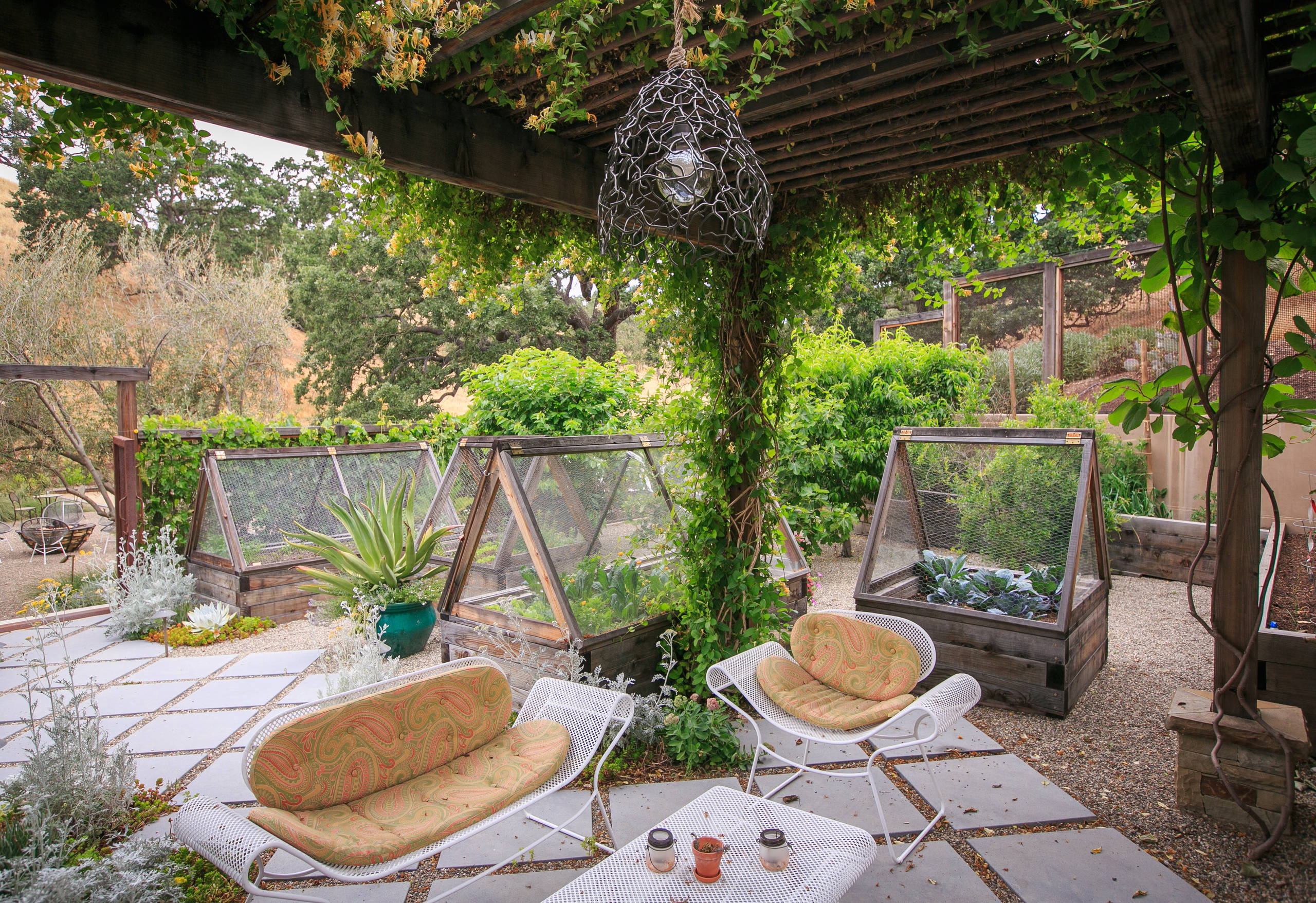
7. Plan for a seating area. If you’re designing a new layout for a kitchen garden or updating your existing design, plan to add a seating area among the plantings. It can be as simple as a garden bench or a chair pulled up as a spot to rest.
If space and budget allow, consider adding a pergola to cover the seating area, creating a shady oasis for admiring the veggie beds. The pergola can also function as a support for trailing edibles like table grapes, cherry tomato vines or runner beans.
See more of this Southern California garden
If space and budget allow, consider adding a pergola to cover the seating area, creating a shady oasis for admiring the veggie beds. The pergola can also function as a support for trailing edibles like table grapes, cherry tomato vines or runner beans.
See more of this Southern California garden

8. Add a focal point. Gardens of all shapes and sizes benefit from a few accents to draw the eye — kitchen gardens are no different. In a design where beds line either side of a central walkway, the end of the path is a place just begging for a focal point. Here, the designer used a pretty arbor-topped garden gate.
As was done here, focal points can be practical garden features too, acting as structures for vines or pollinator-attracting flowers. Placement is key to elevating common garden objects like containers or a trellis as focal points. Put them where you’d like to direct the gaze, and then give them a little room to breathe.
As was done here, focal points can be practical garden features too, acting as structures for vines or pollinator-attracting flowers. Placement is key to elevating common garden objects like containers or a trellis as focal points. Put them where you’d like to direct the gaze, and then give them a little room to breathe.

Houzz readers: Show us your beautiful and productive kitchen garden in the Comments below.
More
10 Tips for Beginning Gardeners
Seeds or Seedlings? How to Get Your Garden Started
How to Grow the Edible Garden That’s Right for You
More
10 Tips for Beginning Gardeners
Seeds or Seedlings? How to Get Your Garden Started
How to Grow the Edible Garden That’s Right for You

Sponsored
Sponsored

VA & MD Architectural Design-Build Firm | 6x Best of Houzz Winner
Whether you choose a formal layout of symmetrically arranged raised beds or adopt a more free-form kitchen garden layout, make sure beds are well-defined and pathways are covered in gravel or mulch to keep down mud between beds.