
Bathroom Design
Inside Houzz
The Bathroom Features Homeowners Want Most in 2026
A new Houzz study reveals the fixtures, materials and features homeowners are choosing for bathroom upgrades

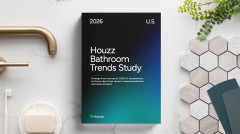
Homeowners renovating bathrooms in 2026 are prioritizing low-curb showers, soaking tubs, custom vanities, bidet toilet seats and sustainable choices, according to the 2026 U.S. Houzz Bathroom Trends Study. Some of these features saw notable increases from last year, including soaking tubs and specialty toilet features, and long-term cost-effectiveness is the leading motivation for sustainable choices. Here’s a closer look at the bathroom features homeowners are selecting now.
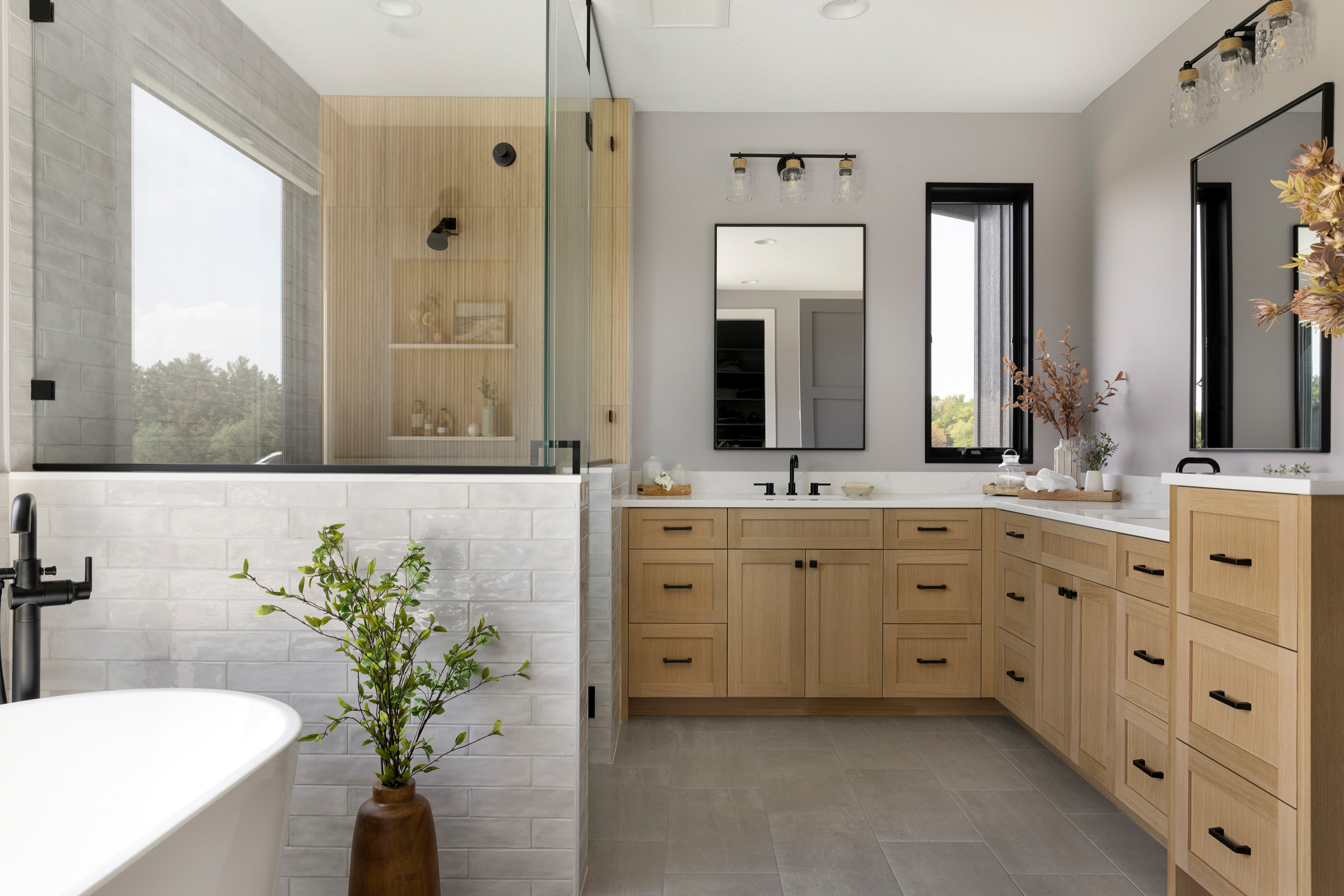
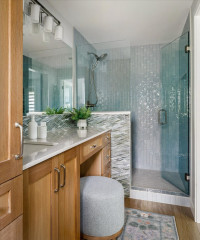
This San Luis Obispo, California, bathroom, part of a garage-to-ADU remodel by Hall Builders, features several popular choices among renovating homeowners, including a low-curb shower, wood vanity and multiple light fixtures.
Find a bathroom designer on Houzz
Find a bathroom designer on Houzz
2. Shower Upgrades Take Shape
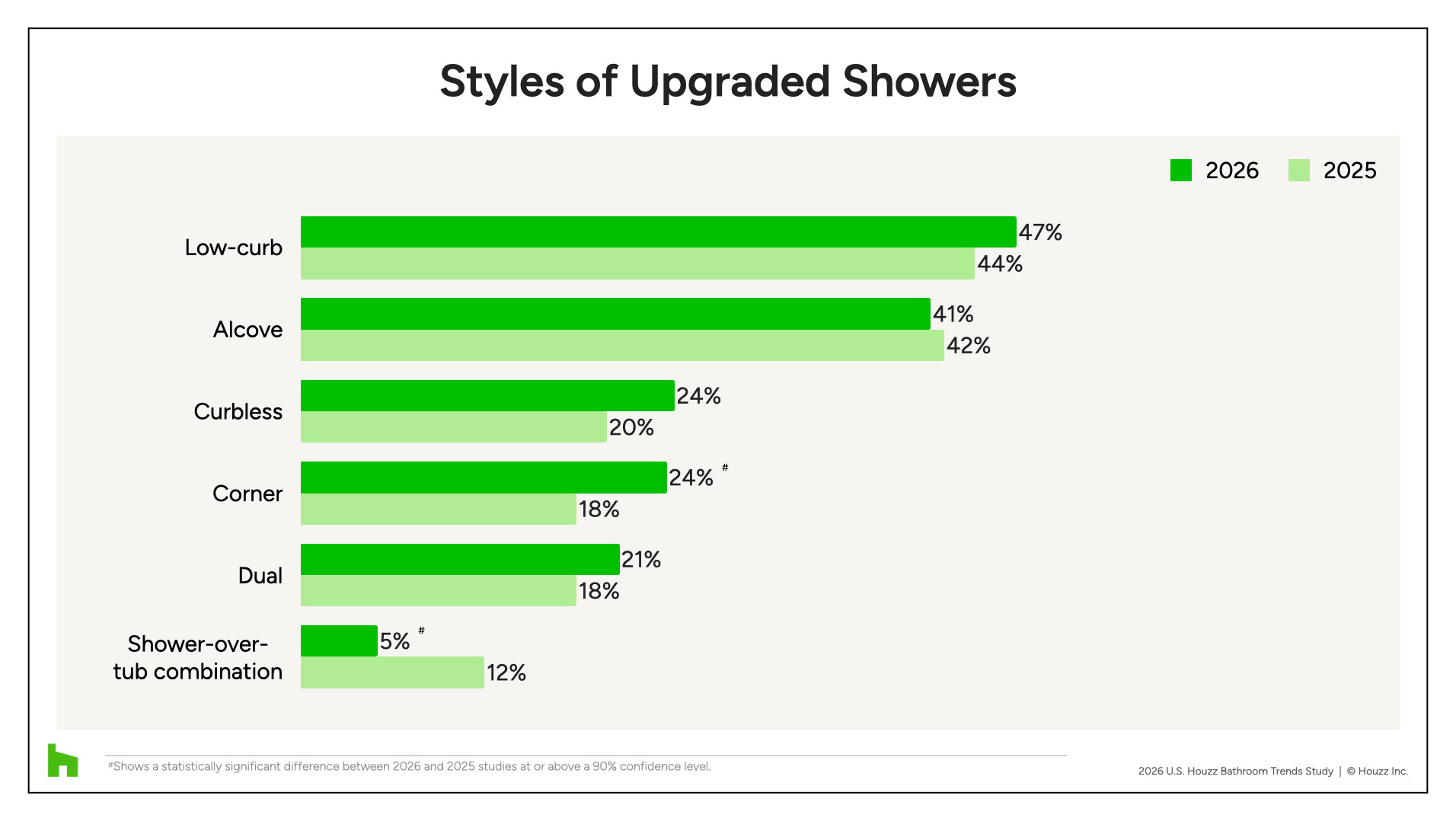
Low-curb showers are the most common choice among homeowners upgrading their showers, at 47%, followed by alcove designs at 41%.
Corner showers rose 6 percentage points to 24%, tying curbless designs, while dual shower heads account for 21% of upgraded bathrooms.
Shower-over-tub combinations fell 7 points to 5%, making them the least-common shower style chosen.
Enlarging the shower is also a frequent change, with 49% of renovating homeowners doing so, up 10 percentage points from last year.
White remains the most popular shower wall color, chosen by 34% of homeowners. Beige gained 5 percentage points year over year for shower walls, reaching 13%, while gray declined 5 points to 7% in the same time period. Blue holds steady at 7% inside showers, while green was chosen by 5% for shower walls.
Tile dominates shower flooring, appearing in 79% of upgraded showers. Natural pebble stones follow at 15%, with slab at 6% and wood at less than 1%. Among tile choices, porcelain leads at 42%, followed by ceramic at 35%. Marble accounts for 11% of upgraded shower flooring, while acrylic makes up 3% and limestone and engineered quartz each account for 2%.
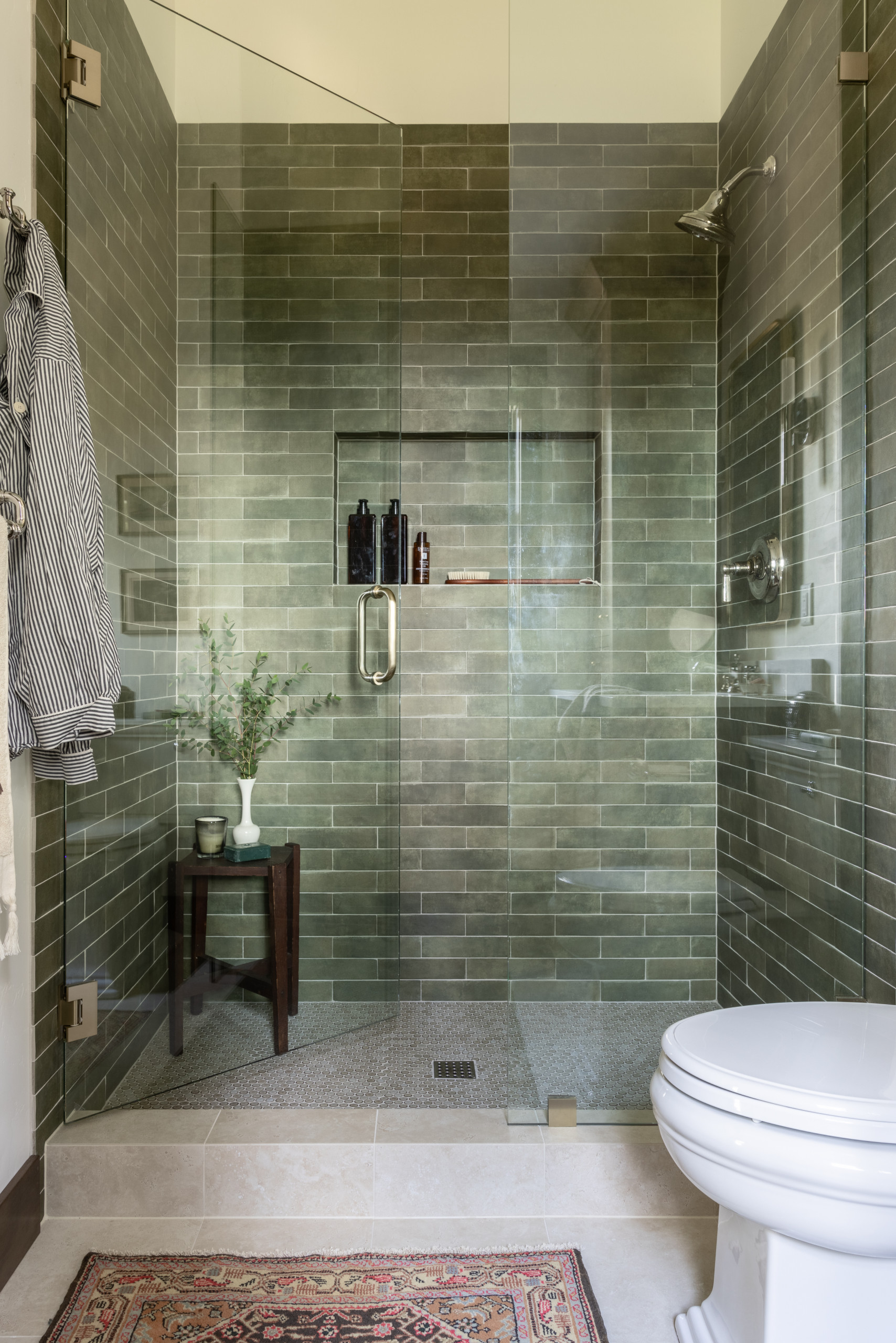
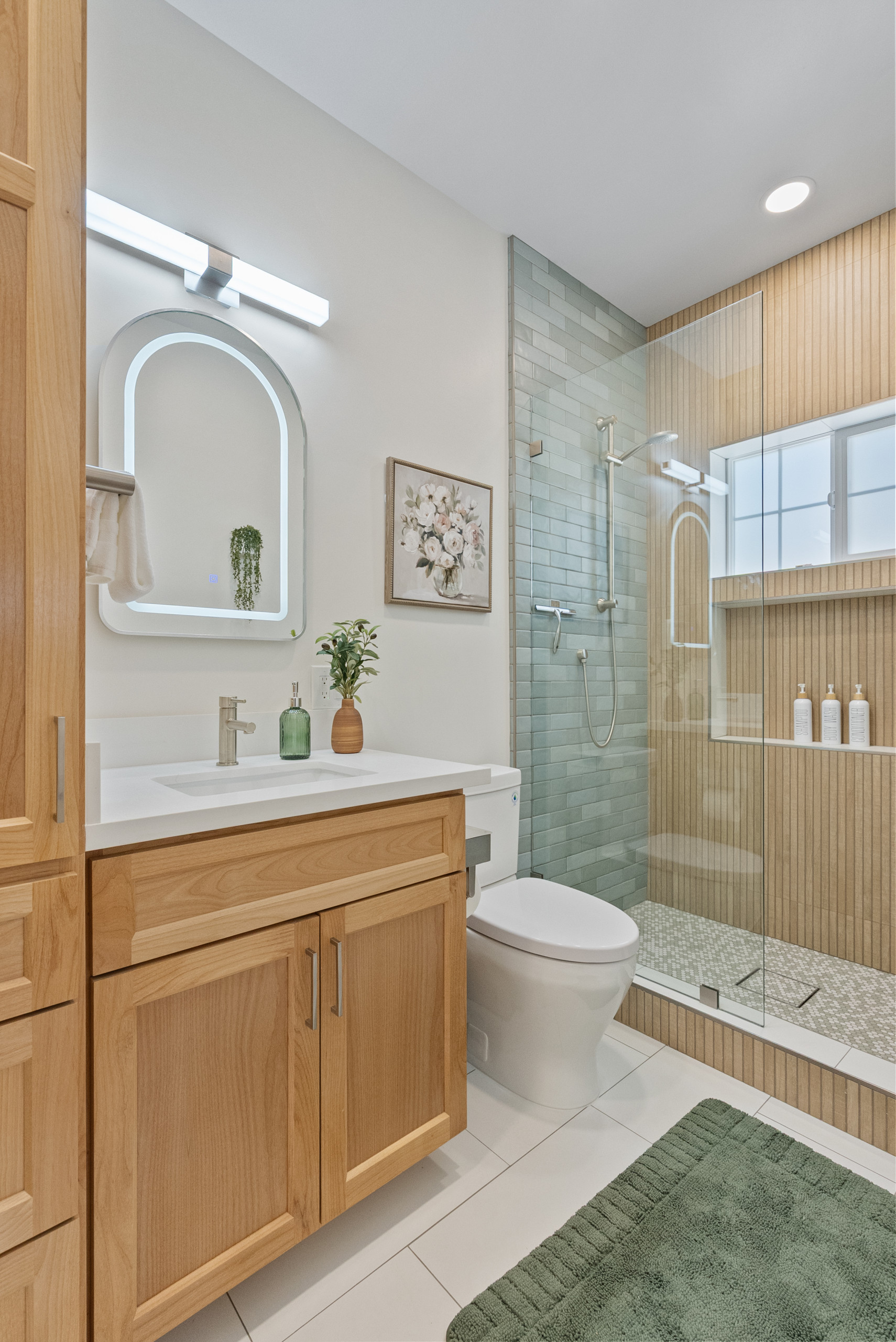
This Seattle bathroom by Kallan Interiors features a spacious low-curb shower with olive green zellige-style wall tile and mosaic floor tile for added slip resistance.
See why you should hire a professional who uses Houzz Pro software
See why you should hire a professional who uses Houzz Pro software
3. Soaking Tubs Gain Ground
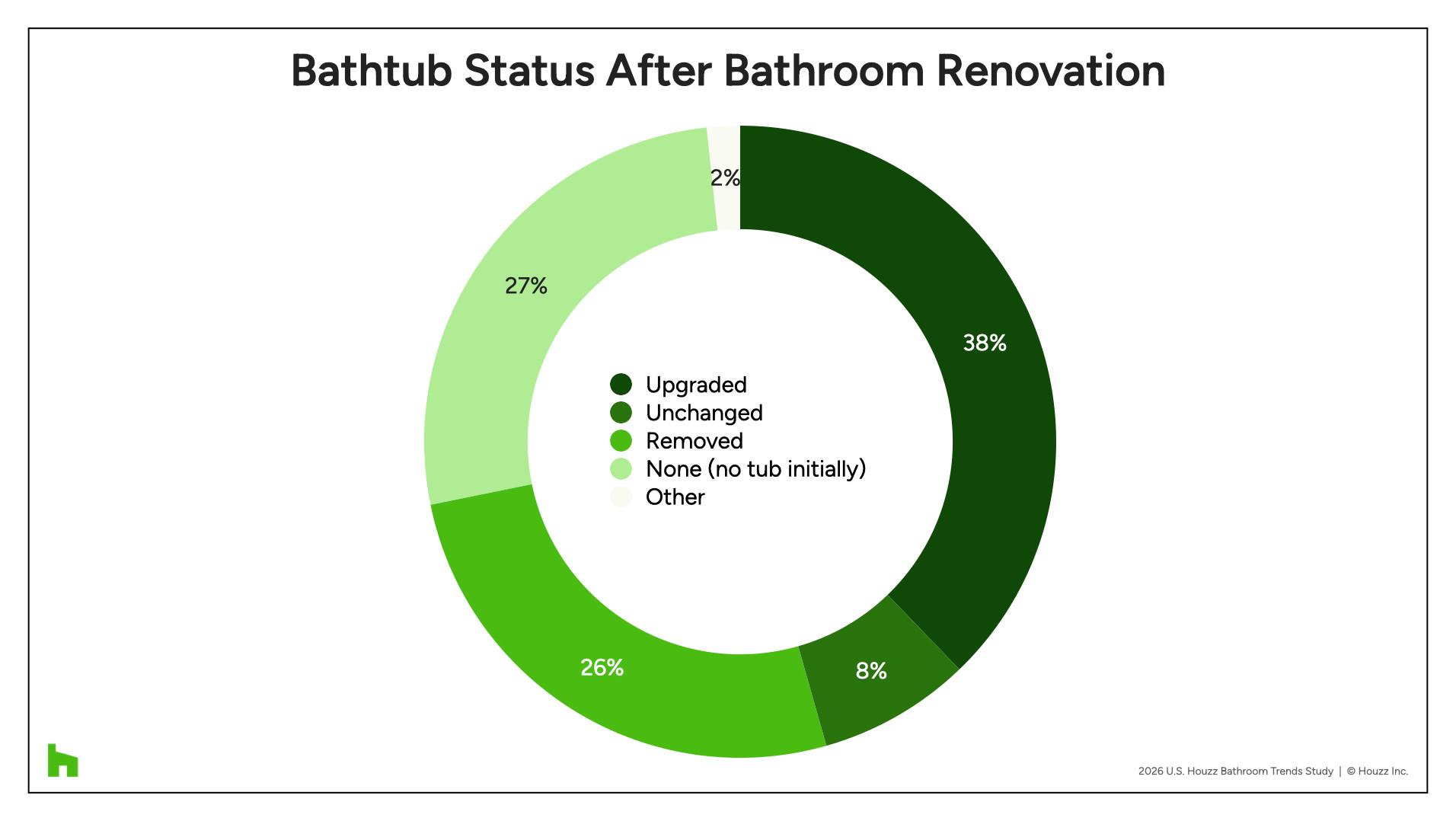
When renovating a bathroom, 38% of homeowners upgrade the bathtub, while 8% keep their existing tub. In 26% of projects, the bathtub is removed, and 27% of homeowners have no tub to begin with and don’t add one.
When a bathtub is removed, the space most often goes toward enlarging the shower, with 79% of homeowners doing so. Some of that space also goes to storage: Enlarging cabinetry rose 5 percentage points year over year to 14%, while enlarging the vanity or sink also increased 5 points, to 11%.
Among homeowners who add or replace a tub, soaking tubs are the clear choice at 72%, up 10 percentage points from last year. Standard tubs fell 10 points to 19%, while walk-in tubs account for 2%.
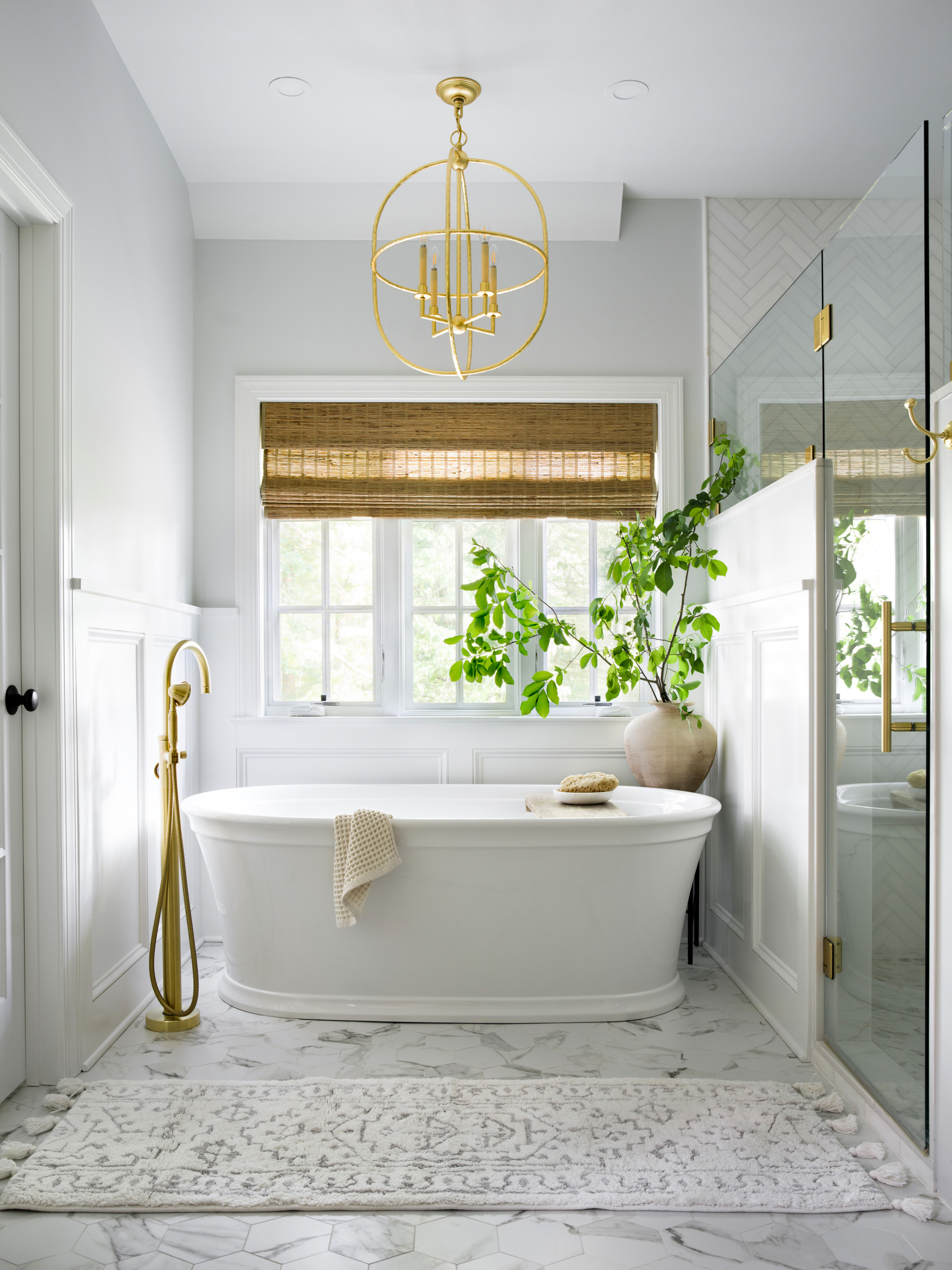
A large soaking tub takes center stage in this bright Philadelphia bathroom by Designs by Danica, paired with a floor-mounted tub filler with a handheld sprayer.
5 Bathroom Remodeling Trends to Know in 2026
5 Bathroom Remodeling Trends to Know in 2026
4. Custom Vanities Lead the Way
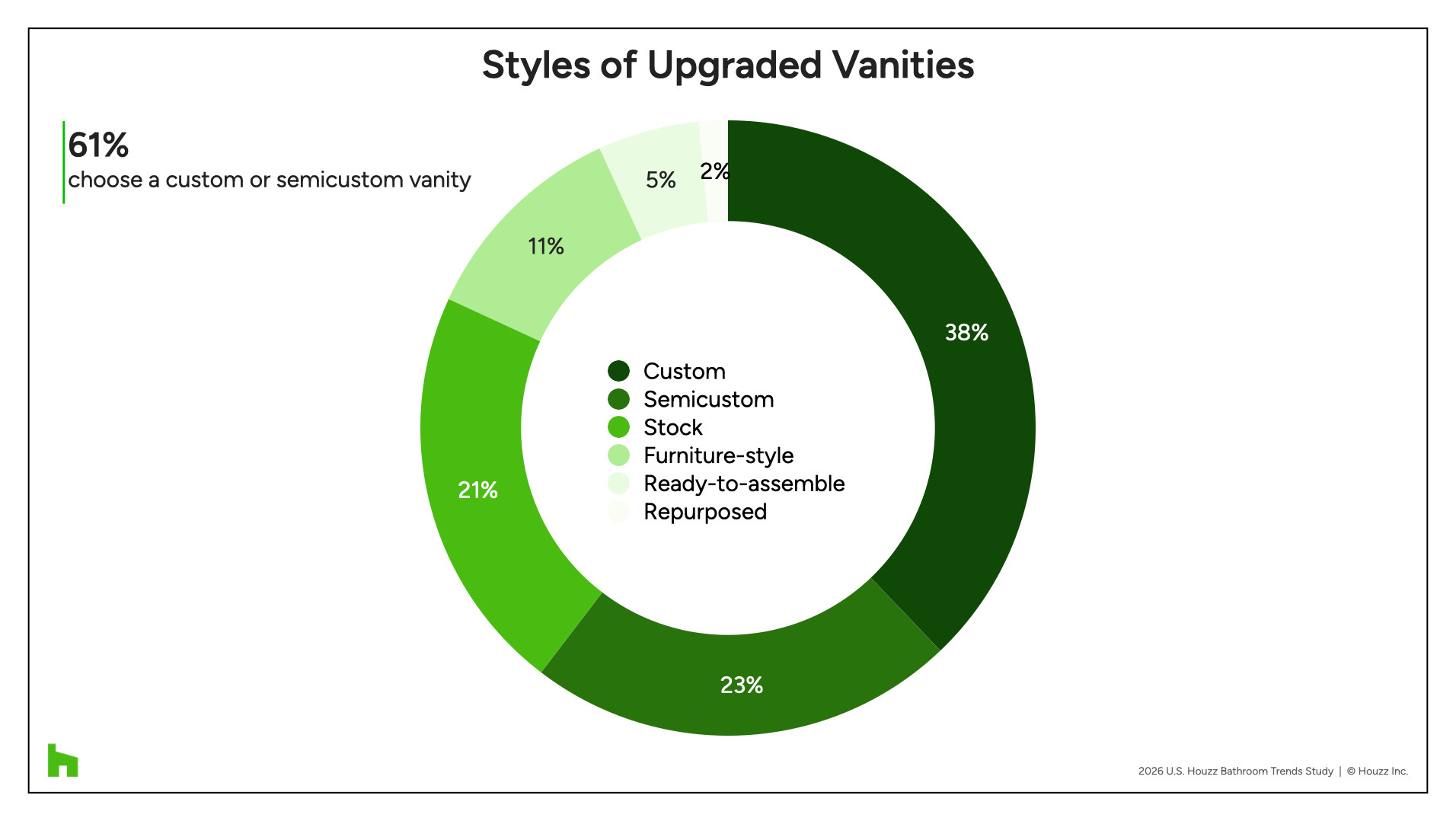
Custom-made vanities are the most popular choice among homeowners upgrading their bathroom vanities, at 38%. Combined with semicustom styles, they account for 61% of vanity upgrades. Built-to-order designs are also much more common than stock models, which account for 21% of upgrades.
Furniture-style vanities account for 11% of upgrades, while ready-to-assemble models make up 5% and repurposed pieces 2%.
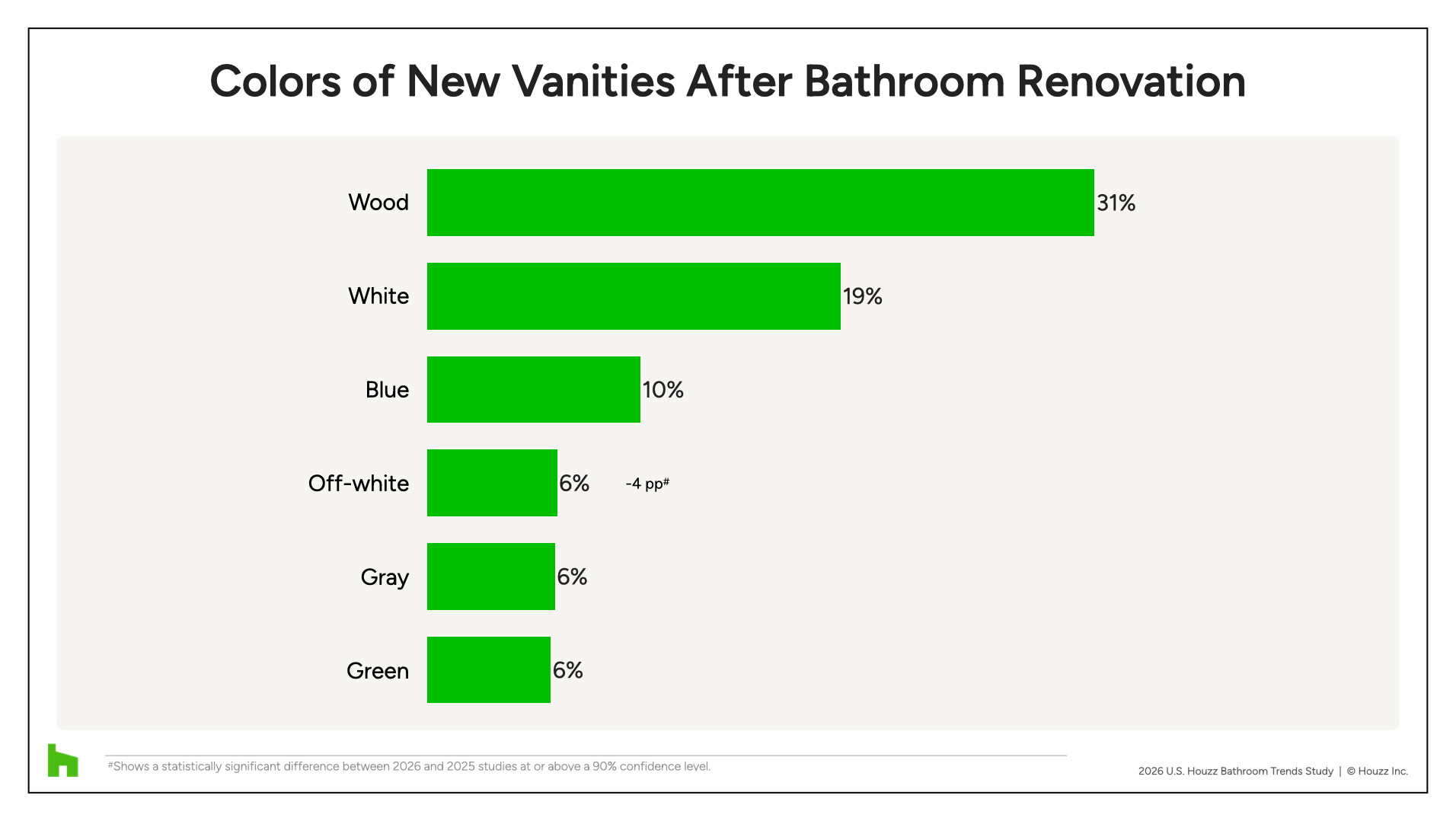
Wood tones are the most popular vanity color choice, at 31%, followed by white at 19% and blue at 10%. Off-white fell 4 percentage points year over year to 6%, tying gray and green.
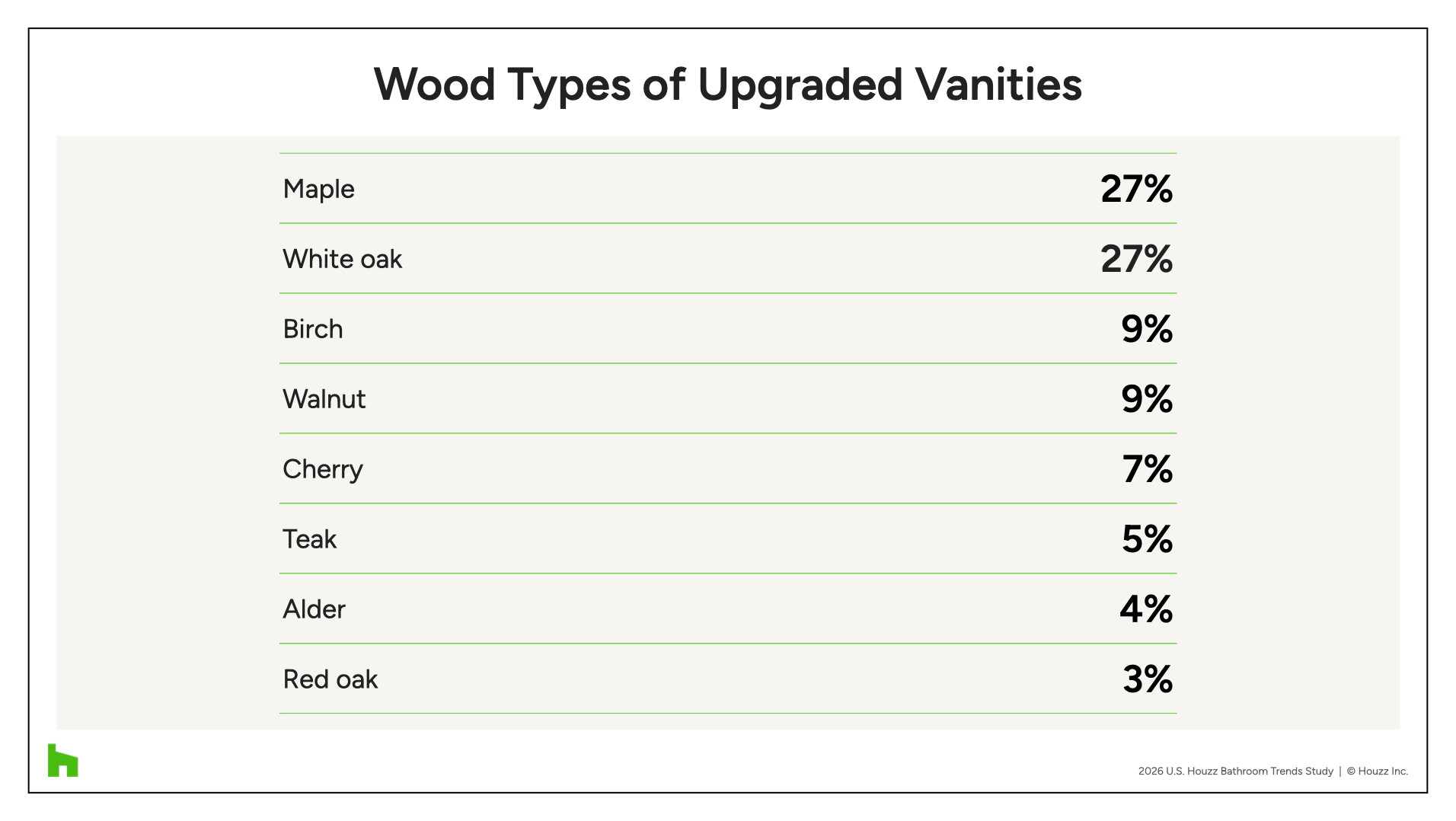
Maple and white oak are the most common solid wood choices for bathroom vanities, at 27% each. Birch and walnut follow at 9% each, followed by cherry at 7%. Teak accounts for 5%, alder 4% and red oak 3%.
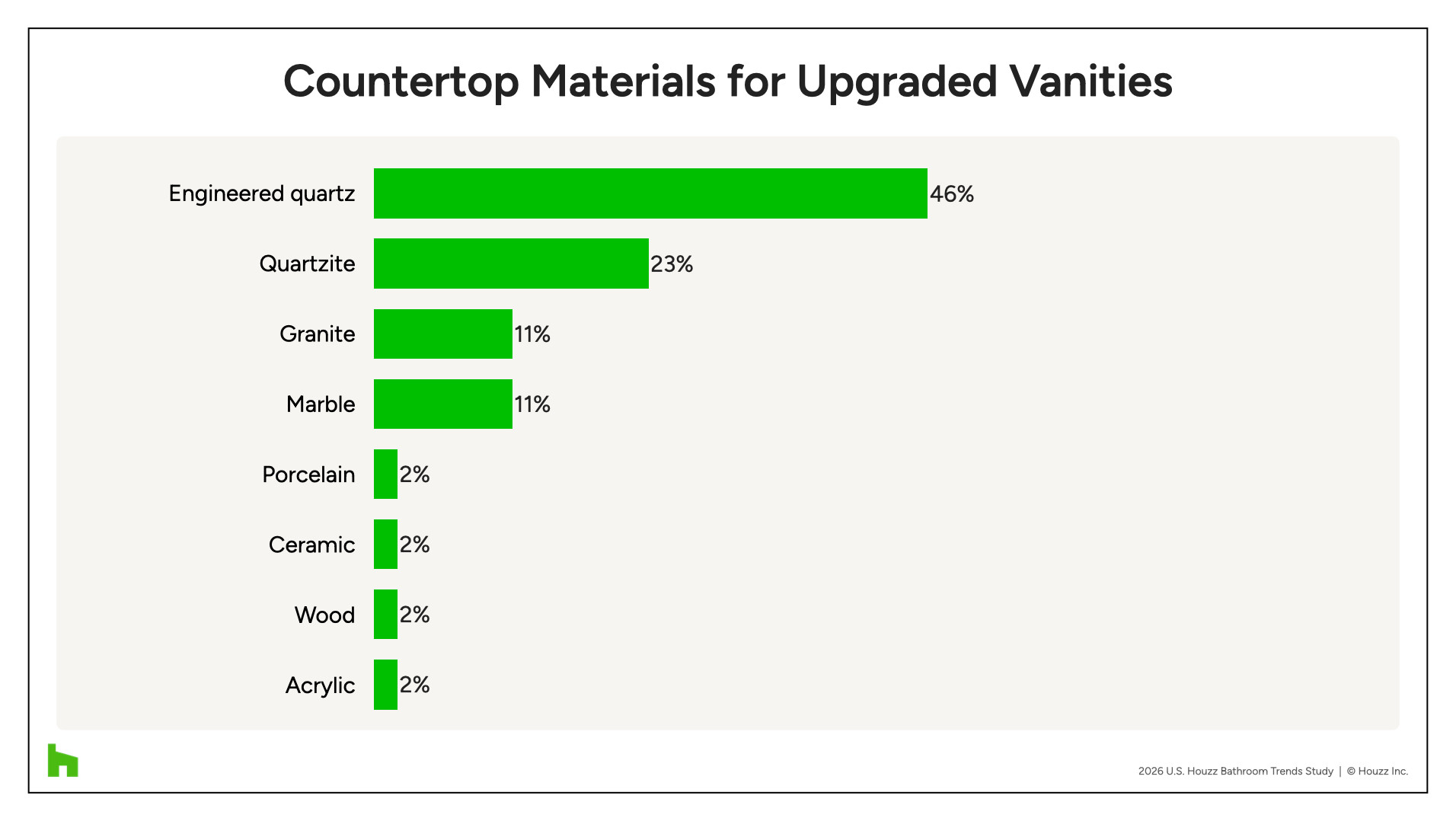
Engineered quartz remains the leading vanity countertop material, selected by 46% of renovating homeowners. Quartzite is the second-most-common choice at 23%, more than twice the share of granite and marble, which are tied at 11% each. Porcelain, ceramic, wood and acrylic each account for 2% of vanity countertop choices.
White is the most common countertop color, chosen by 43% of homeowners, followed by off-white at 28%, up 8 percentage points. Gray (7%), beige (6%) and black (4%) round out the list.
White is the most common countertop color, chosen by 43% of homeowners, followed by off-white at 28%, up 8 percentage points. Gray (7%), beige (6%) and black (4%) round out the list.
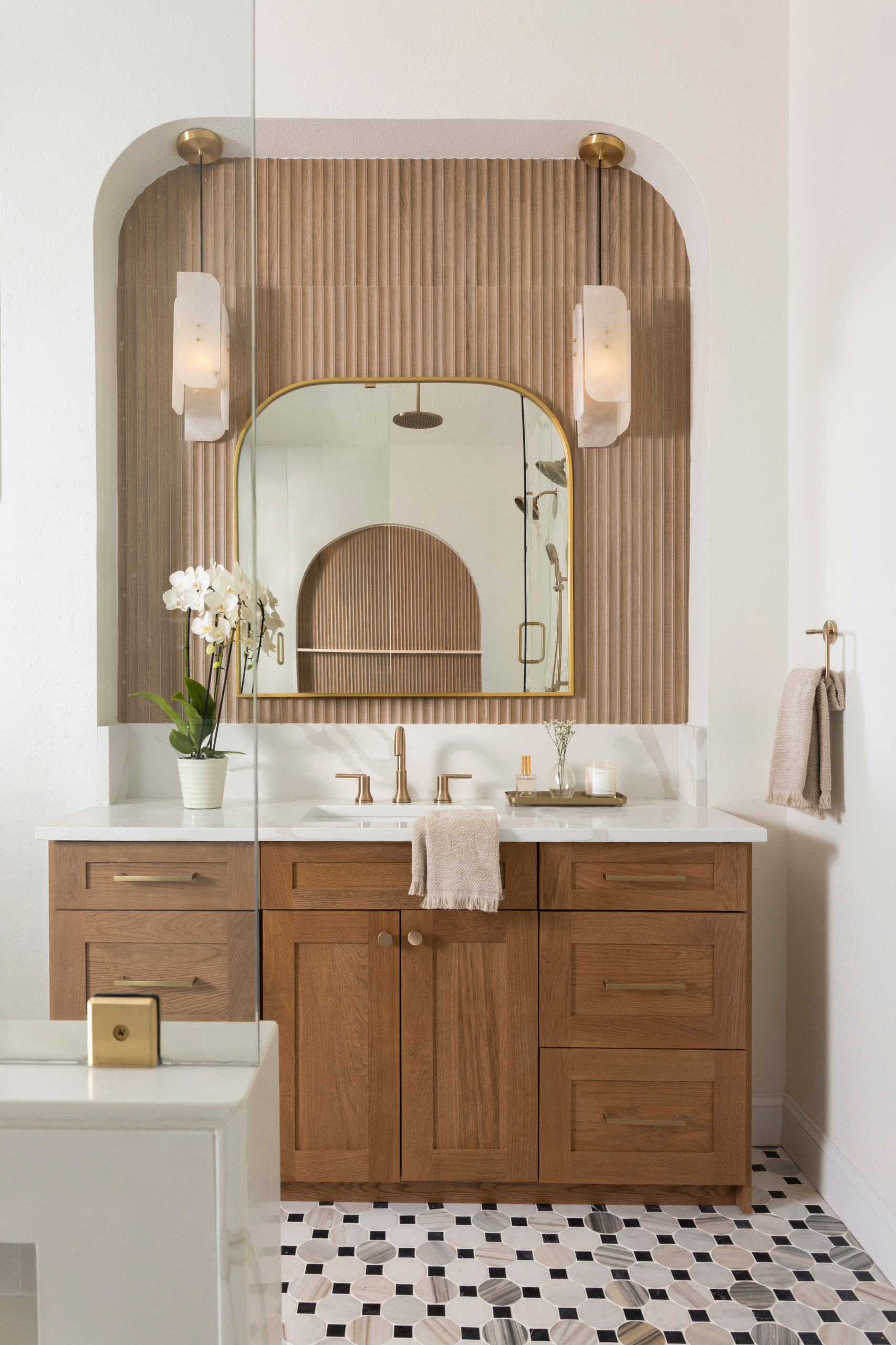
A custom wood vanity with ample storage and a quartz countertop brings warmth to this Frisco, Texas, bathroom by Expedea Construction Group.
4 Rookie Bathroom-Remodeling Mistakes and How to Avoid Them
4 Rookie Bathroom-Remodeling Mistakes and How to Avoid Them
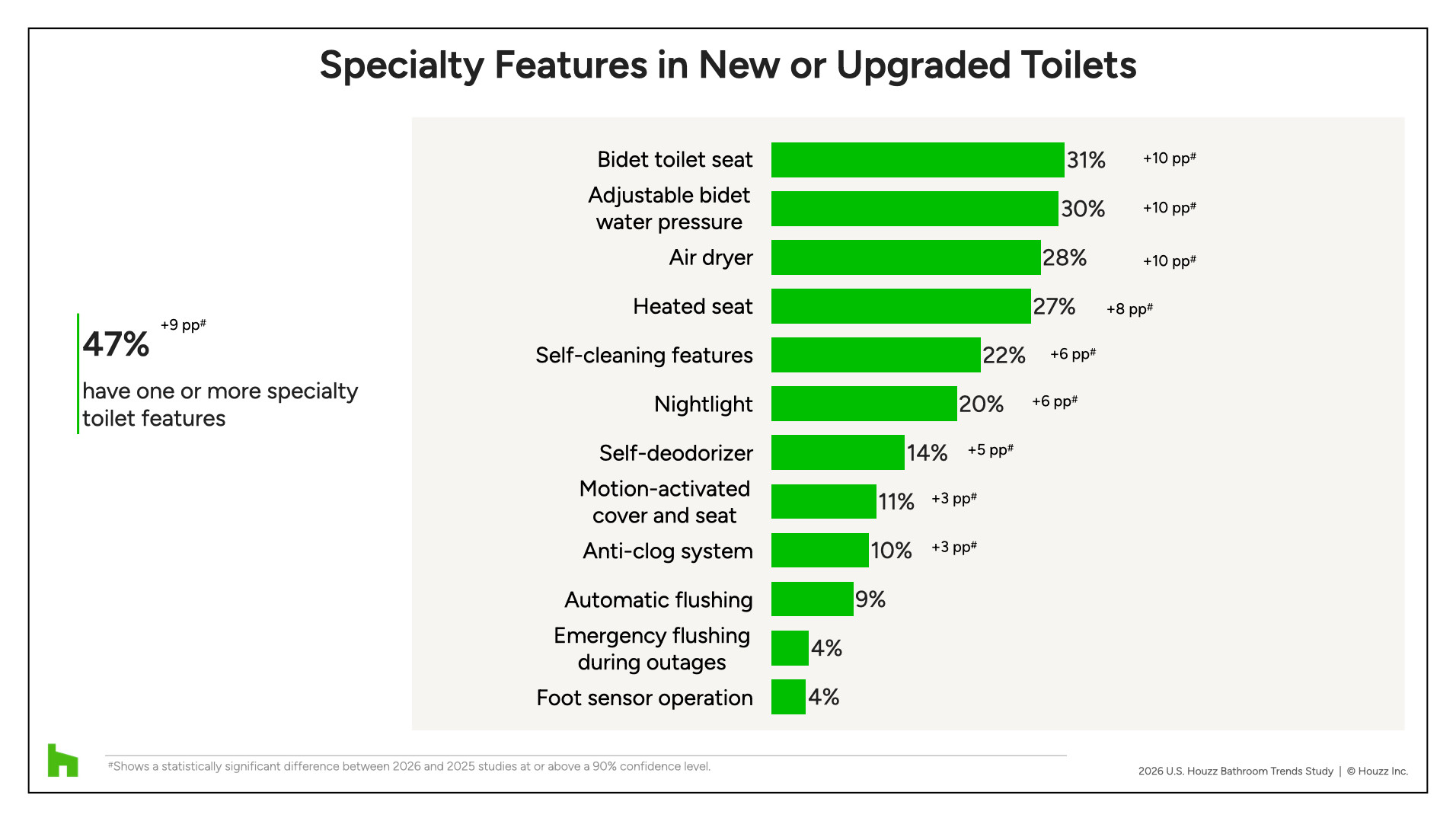
5. Specialty Toilet Features Rise
Nearly half of renovating homeowners (47%) include specialty features in new or upgraded toilets, up 9 percentage points from last year.
Bidet toilet seats are the most common specialty feature, at 31%, followed by adjustable water pressure at 30% and air dryers at 28%. Each rose 10 percentage points. Heated seats reached 27%, up 8 points.
Convenience features also became more common. Self-cleaning functions rose 6 percentage points year over year to 22%, while nightlights reached 20%, also up 6 points. Self-deodorizers rose 5 points to 14%.
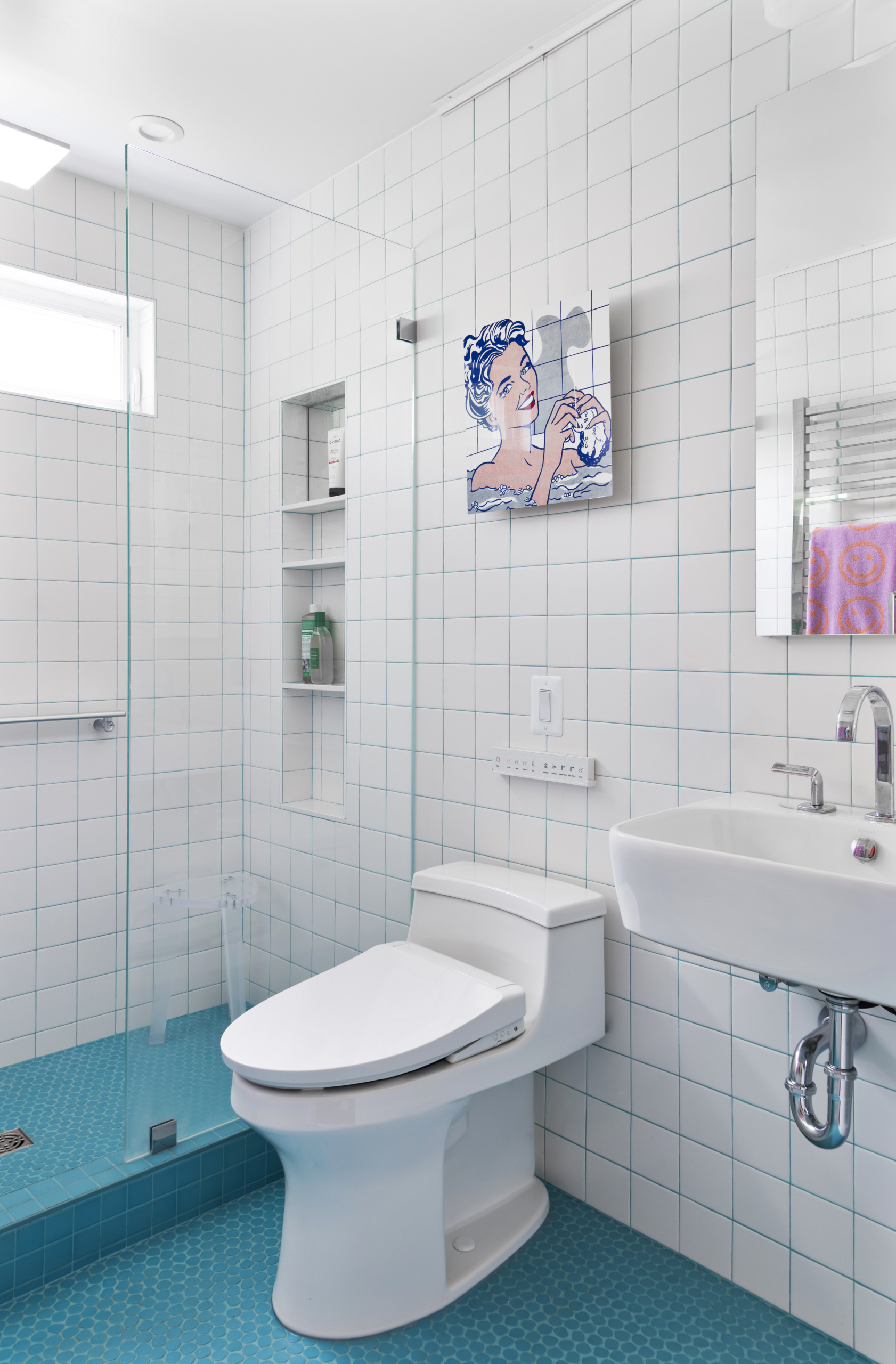
A bidet toilet is a standout feature in this Washington, D.C.-area bathroom by Atlas Moran Construction.
5 Home Design Trends Pros Say Have Staying Power in 2026
5 Home Design Trends Pros Say Have Staying Power in 2026
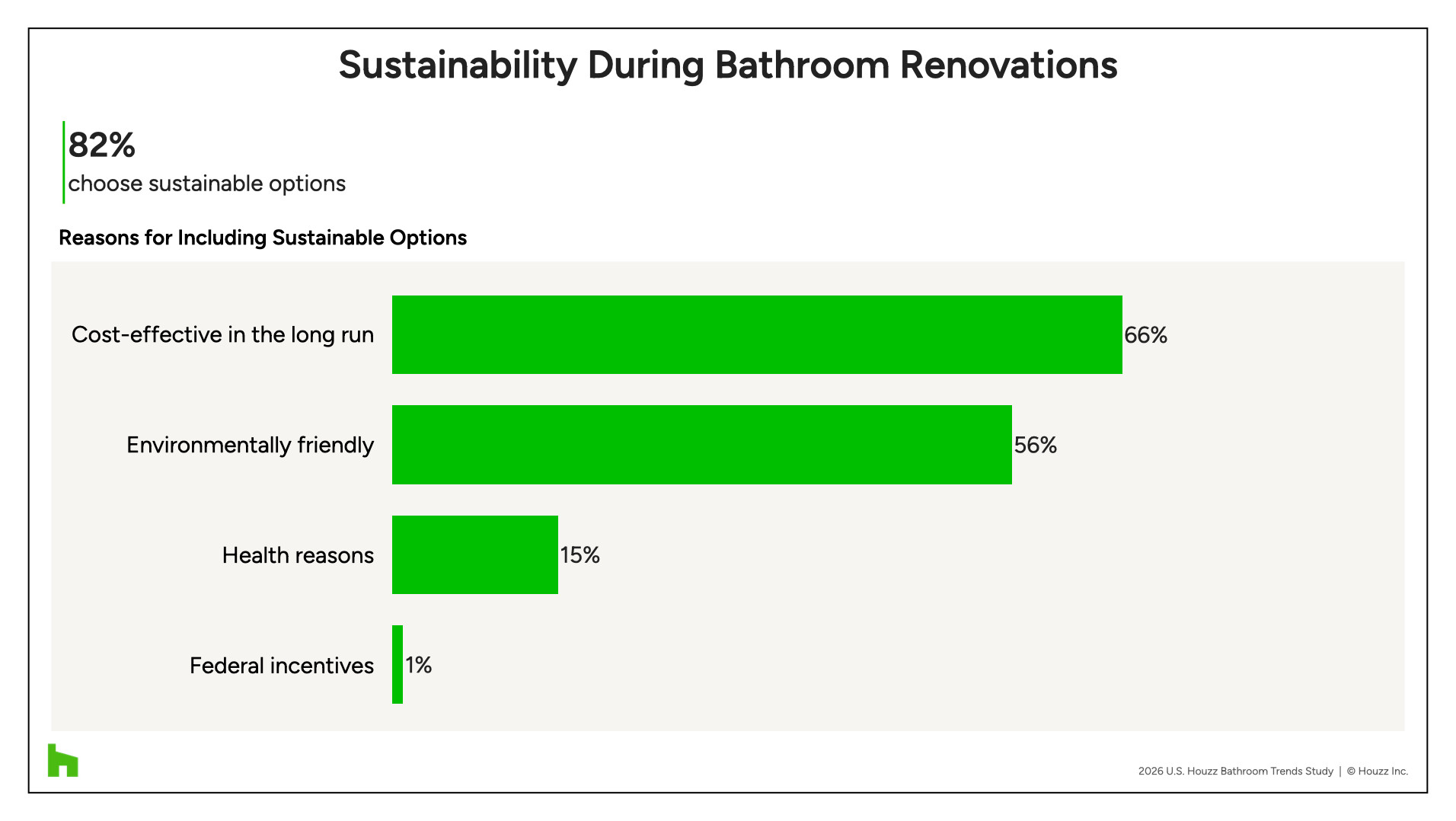
6. Cost Drives Sustainable Choices
Most renovating homeowners (82%) include sustainable options in their bathroom projects. Long-term cost-effectiveness is the leading motivation, cited by 66% of homeowners, followed by environmental friendliness at 56%. Health reasons trail at 15%, while federal incentives are cited by just 1% of homeowners.
Most renovating homeowners (82%) include sustainable options in their bathroom projects. Long-term cost-effectiveness is the leading motivation, cited by 66% of homeowners, followed by environmental friendliness at 56%. Health reasons trail at 15%, while federal incentives are cited by just 1% of homeowners.
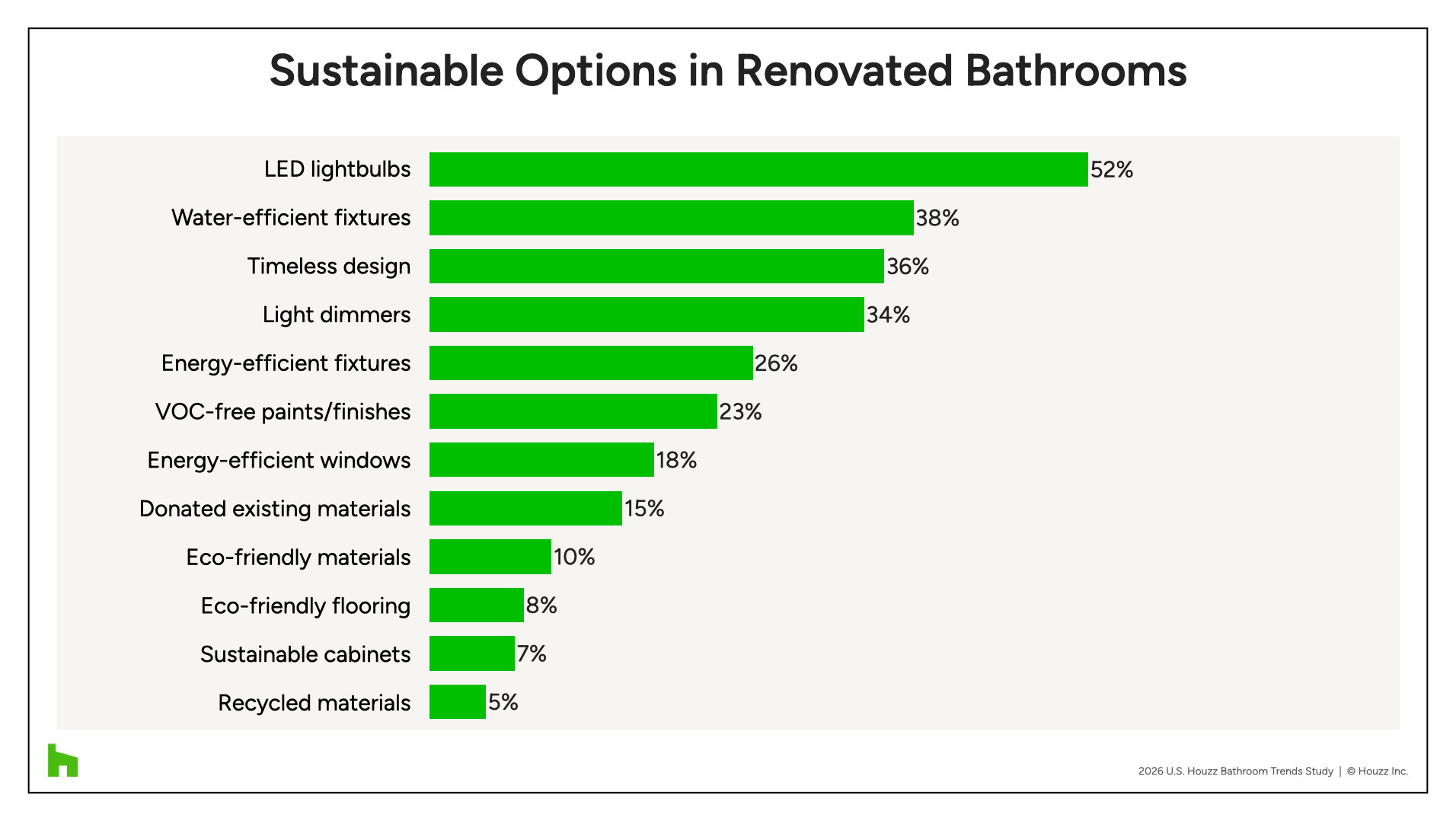
LED lightbulbs are the most common sustainable upgrade, selected by 52% of renovating homeowners, followed by water-efficient fixtures at 38%. Timeless design (36%) and light dimmers (34%) rank next, followed by energy-efficient fixtures (26%) and VOC-free paints or finishes (23%).
Other sustainable choices include energy-efficient windows (18%), donated materials (15%), eco-friendly materials (10%), eco-friendly flooring (8%), sustainable cabinets (7%) and recycled materials (5%).
Other sustainable choices include energy-efficient windows (18%), donated materials (15%), eco-friendly materials (10%), eco-friendly flooring (8%), sustainable cabinets (7%) and recycled materials (5%).
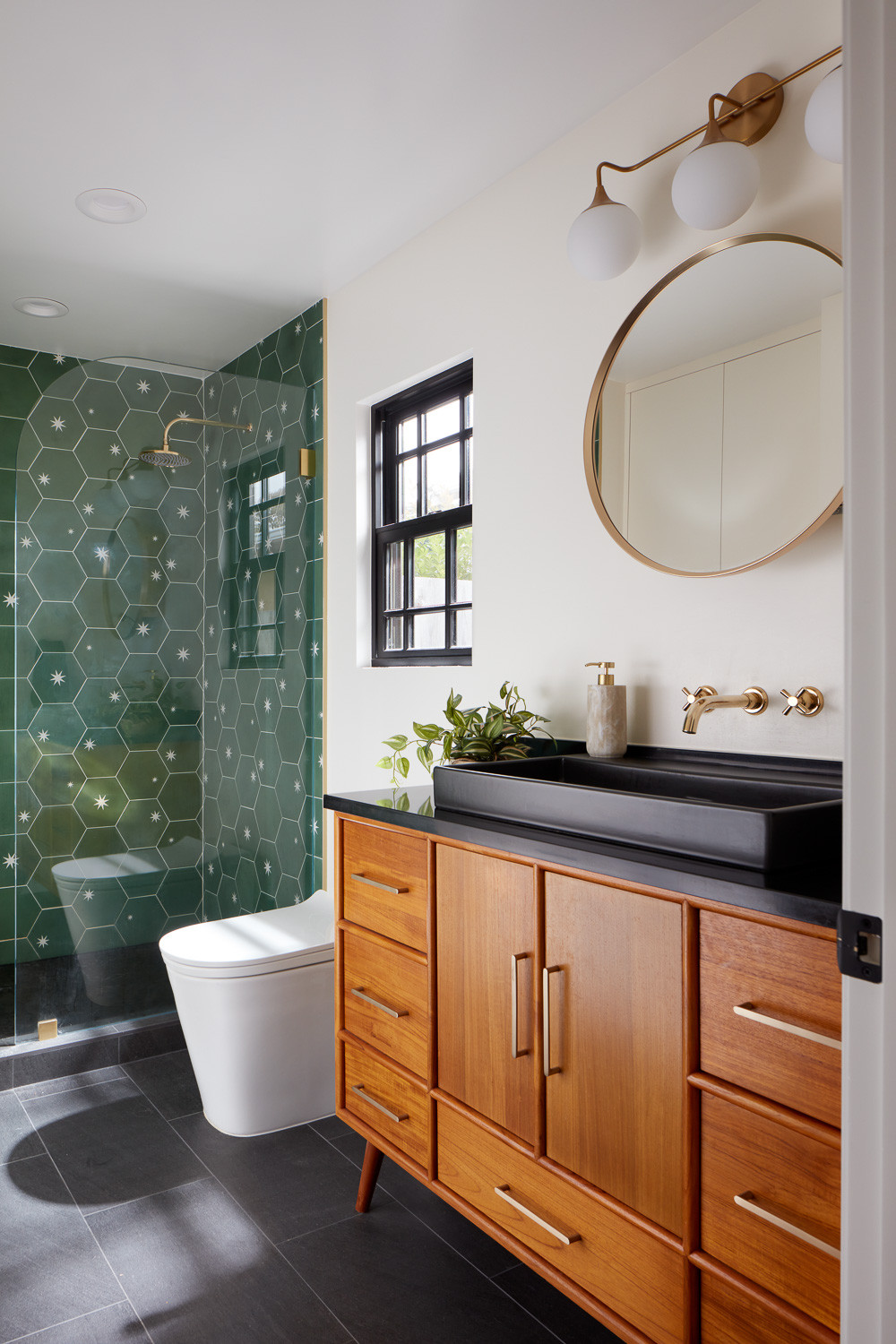
In this Pacifica, California, bathroom and throughout the remodeled home, EDR Design Build emphasized sustainable building practices and energy efficiency.
The 2026 U.S. Houzz Bathroom Trends Study gathered information from 1,619 Houzz users who reported being 18 or older, being homeowners and having completed a primary bathroom or full guest/family bathroom remodel or addition project in the past 12 months or to be currently working on one or planning to start one in the next three months. The survey was fielded in August 2026.
Read more and download the full study here
More on Houzz
Read more stories
Browse photos for ideas
Find home professionals

Sponsored
Sponsored

Virginia's Top Rated Kitchen & Bath Renovation Firm I Best of Houzz
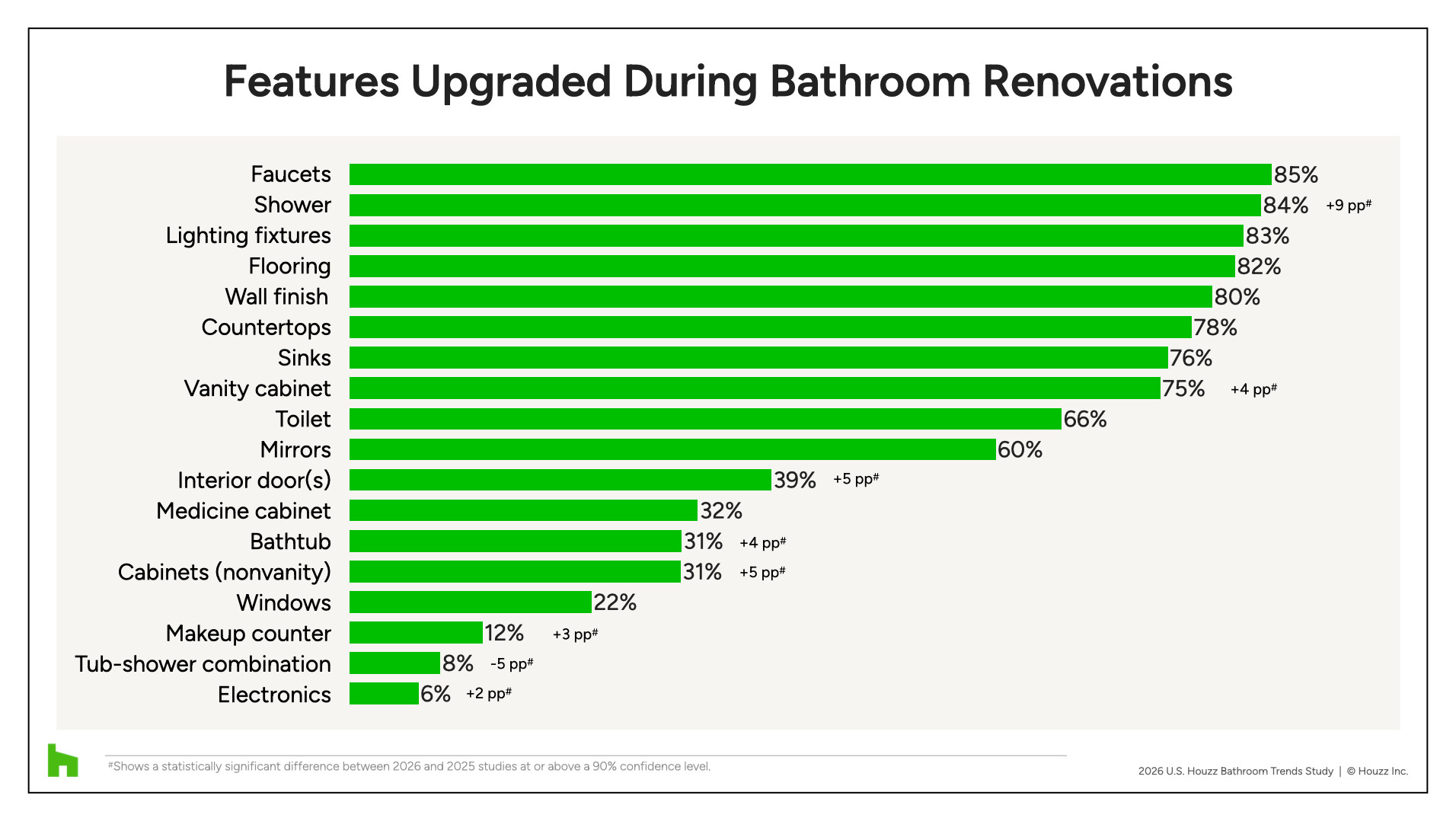
Homeowners most often upgrade faucets (85%) when renovating bathrooms, closely followed by showers (84%), which rose 9 percentage points in 2026 from the previous year.
Lighting fixtures (83%), flooring (82%), wall finishes (80%), countertops (78%) and sinks (76%) are also common improvements.
Homeowners upgraded vanity cabinets in 75% of renovations, up 4 percentage points from last year. Interior doors (39%), nonvanity cabinets (31%), bathtubs (31%) and electronics (6%) also saw increases. Tub-shower combinations moved in the opposite direction, falling 5 points to 8%.