

These Native Grasses Bring a Different Fall Color to the Garden
When other plants are brown, cool-season grasses green up the landscape

Cool-season grasses can be great landscape additions in fall, when we might still be yearning for green in the garden. These grasses green up early in spring, go dormant or partially dormant in summer after producing seeds, then begin actively growing again come fall. When warm-season grasses are brown, cool-season grasses give us a punch of green and add ornamental value through their foliage and early-summer seed heads.
Below is a selection of grasses that shine in spring and fall across the U.S. They have various growth and reproductive habits and prefer a range of site conditions, from shady to sunny and dry to moist.
Below is a selection of grasses that shine in spring and fall across the U.S. They have various growth and reproductive habits and prefer a range of site conditions, from shady to sunny and dry to moist.
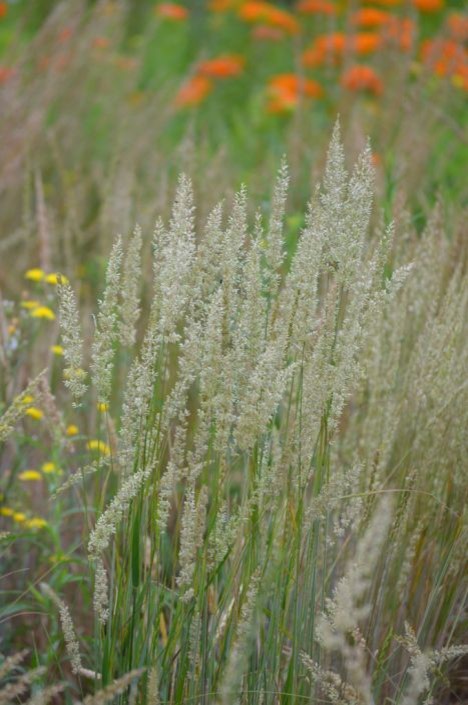
Prairie Junegrass
(Koeleria macrantha)
Native from Ontario to Pennsylvania and Ohio south to Louisiana and all points west
Prairie junegrass is native to grasslands and open woodland meadows. It is cold-, heat- and very drought-tolerant. It produces highly ornamental silvery seed heads in early summer, tying in with its common name.
Water requirement: Medium to dry soil
Light requirement: Full sun
Mature size: 2 feet tall and wide
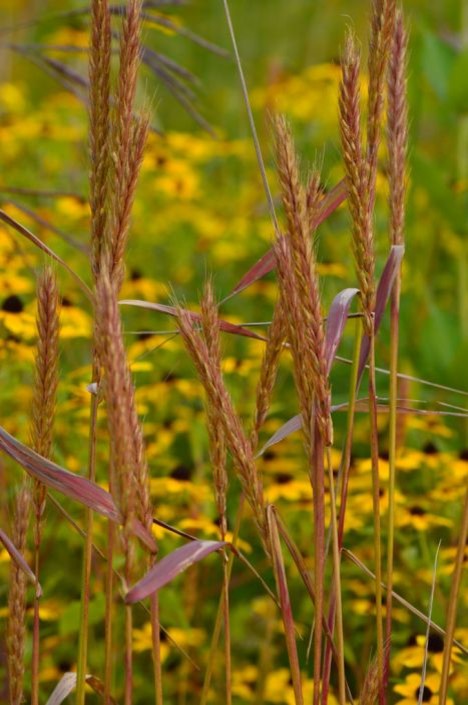
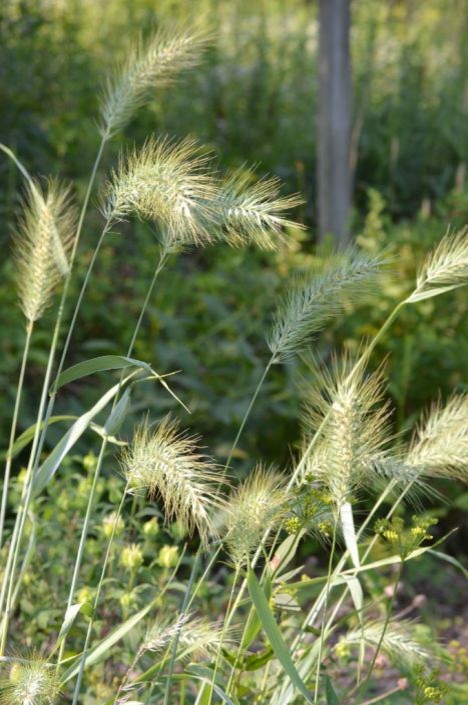
Virginia Wildrye
(Elymus virginicus)
Native from North Dakota and Wyoming south to Arizona and New Mexico and all points east
Virginia wildrye is a bunch grass that prefers moist locations but is fairly adaptable, growing in full sun to shade. Virginia wildrye is short-lived, but this can make it a great cover crop or plant to keep weeds at bay while native plants that are slower to establish get going underneath it.
Water requirement: Wet to medium soil
Light requirement: Full sun to shade
Mature size: 4 feet tall and 2 to 3 feet wide

Photo by Matt Lavin
Western Wheatgrass
(Pascopyrum smithii)
Native from Ohio to Tennessee, Arkansas and Texas, and all points west
Western wheatgrass is a sod-forming and aggressive shortgrass that prefers moist bottomland but adapts to upland clay soil as well. It sports a lovely and consistent blue-green color that can also appear silvery.
Water requirement: Moist to dry soil
Light requirement: Full sun
Mature size: 1 foot to 2 feet tall and wide
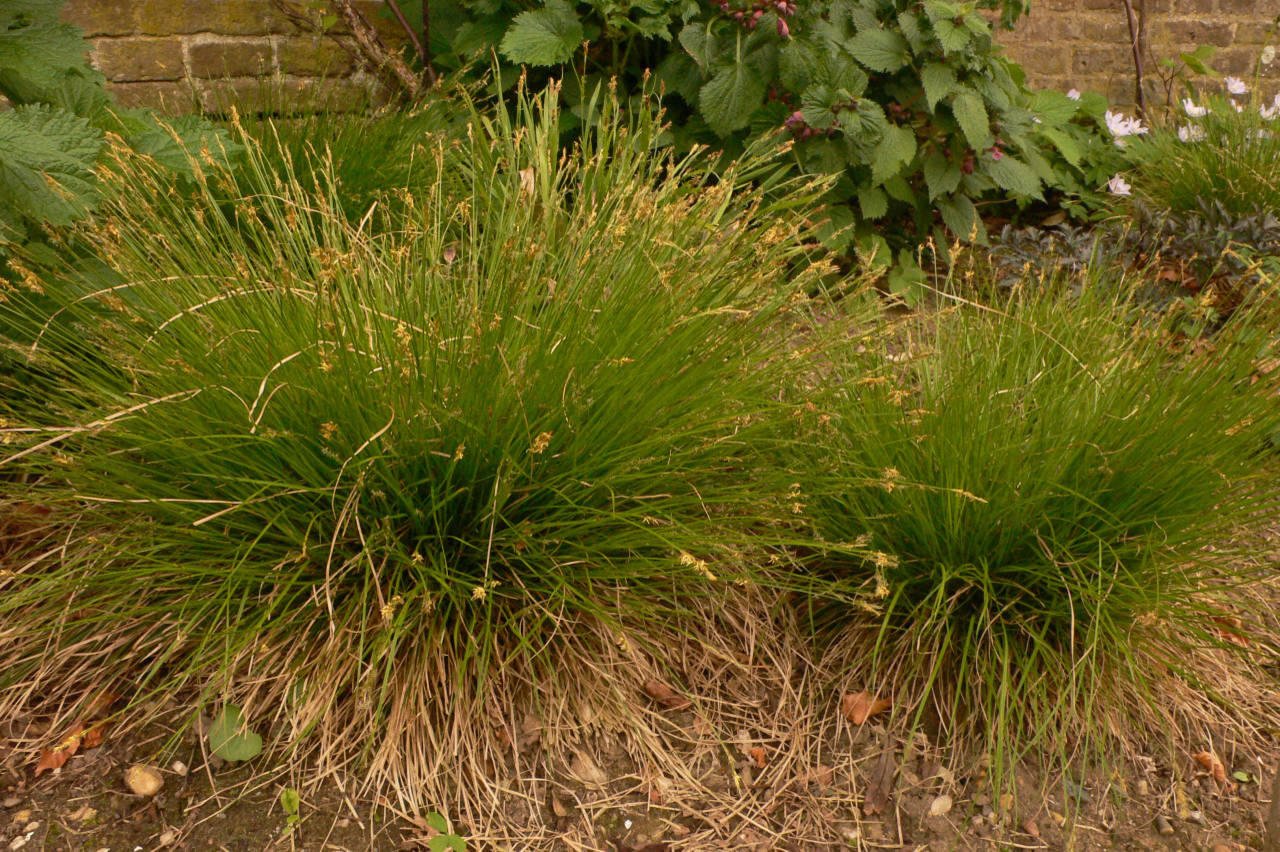
Bristleleaf sedge
Sedges
Don’t forget sedges, which are a lot like grasses but tend to be shorter. They make for a stupendous green mulch or lawn alternative. There are sedges for any site, from types that stabilize stream banks to those that thrive in hot, dry sun or under trees where turf won’t grow.
My favorites for dry shade include Sprengel’s sedge (Carex sprengelii), which has thick leaves and a fairly open form and is about 2 feet tall, and bristleleaf sedge (Carex eburnea), a soft, billowy ground cover that’s 6 inches tall. If you want a plant-it-almost-anywhere sedge, look to shortbeak sedge (Carex brevior), which won’t get over a foot or 2 — maybe 3 feet while in bloom in rich soil.
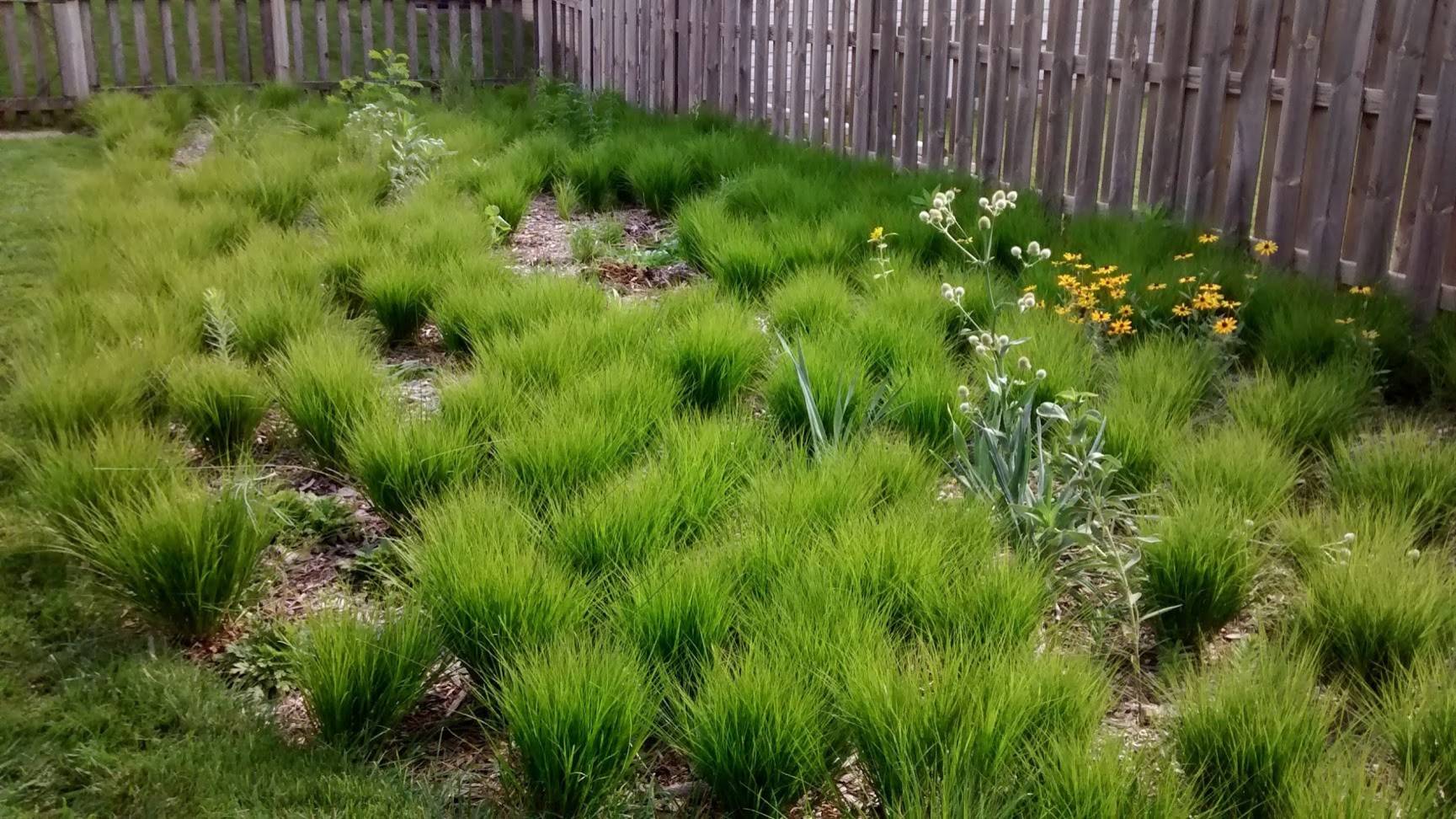
Shortbeak sedge (Carex brevior) establishing in the first season
Taking care of cool-season grasses is a lot like managing warm-season grasses; it’s just that they actively grow and need maintenance at different times of the year. For example, the best time to divide cool-season grasses is in early spring or early fall, not while they are in bloom or dormant in summer. (For warm-season grasses, late spring division is best.) Dividing can be beneficial for older grasses that have begun to slow down and need invigorating.
Grasses and sedges that stay evergreen or partially green in winter should not be cut back or divided more than once every few years. Otherwise you’re robbing them of their food and energy source (leaves that use sunlight). Besides, evergreen grasses and sedges tend to be less vigorous, so are not as likely to need division.
Learn more about dividing grasses and how to get more plants for free
More
Why Fall Is the Best Time for Planting
Inspiring Alternatives to the Traditional Front Lawn
See more plants native to your region

Sponsored

Canada Wildrye
(Elymus canadensis)
Native to Canada and the U.S., except from Louisiana to Georgia and Florida
Canada wildrye is a bunch grass that prefers moist sites and can live in sandy spots. It grows quickly in spring and seeds vigorously, producing highly ornamental seed heads, as most ryes tend to do, in midsummer. After a few years this grass will give way to other grasses and flowers, but it’s a great option to establish a site and get a weed-competing cover on the ground quickly in spring with a spring seeding.
Water requirement: Medium wet to dry soil
Light requirement: Full to partial sun
Mature size: 4 to 5 feet tall and 1 foot to 3 feet wide