
How to Create a Bee-friendly Garden
Help to preserve the quintessential sound of summer and transform your garden into a bumblebee paradise

Is there any sound more evocative of British summertime than the gentle buzz of a bumblebee steadily making its way from plant to plant, gathering nectar? It’s a summer soundtrack that’s familiar to us all, but if we want to carry on enjoying the sight and sound of bees in our gardens, then we need to act fast. According to the Bumblebee Conservation Trust, the humble bumblebee is in rapid decline and needs our help to survive. The good news, however, is that there are some very simple ways we can all support the bumblebee, whether we live in the countryside or the city. Read on to find out more.
Expert advice from:
Lucy Rothstein, CEO of the Bumblebee Conservation Trust
Janine Pattison of Janine Pattison Studios
Laara Copely-Smith of Laara Copley-Smith Garden & Landscape Design
Expert advice from:
Lucy Rothstein, CEO of the Bumblebee Conservation Trust
Janine Pattison of Janine Pattison Studios
Laara Copely-Smith of Laara Copley-Smith Garden & Landscape Design
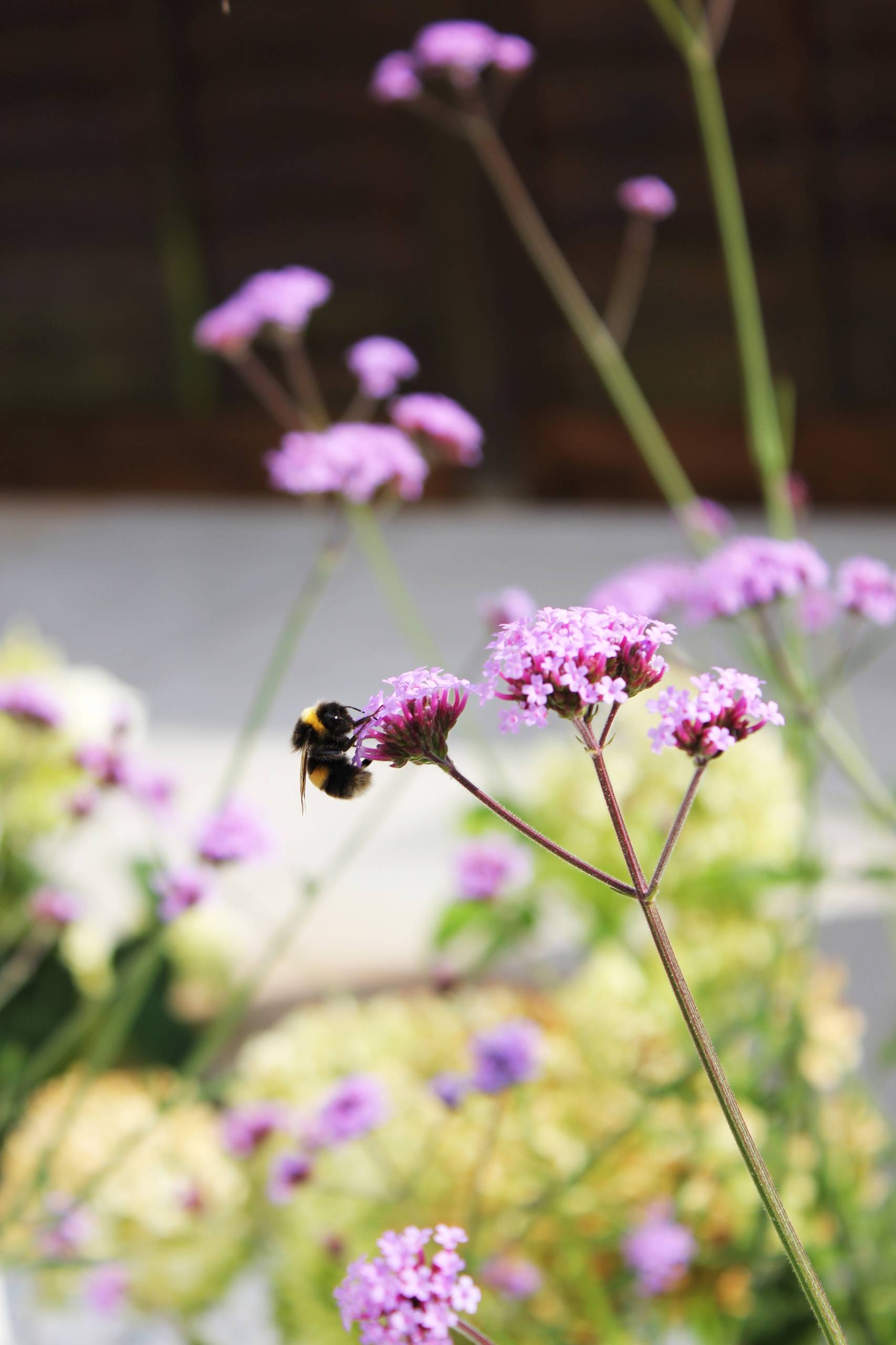
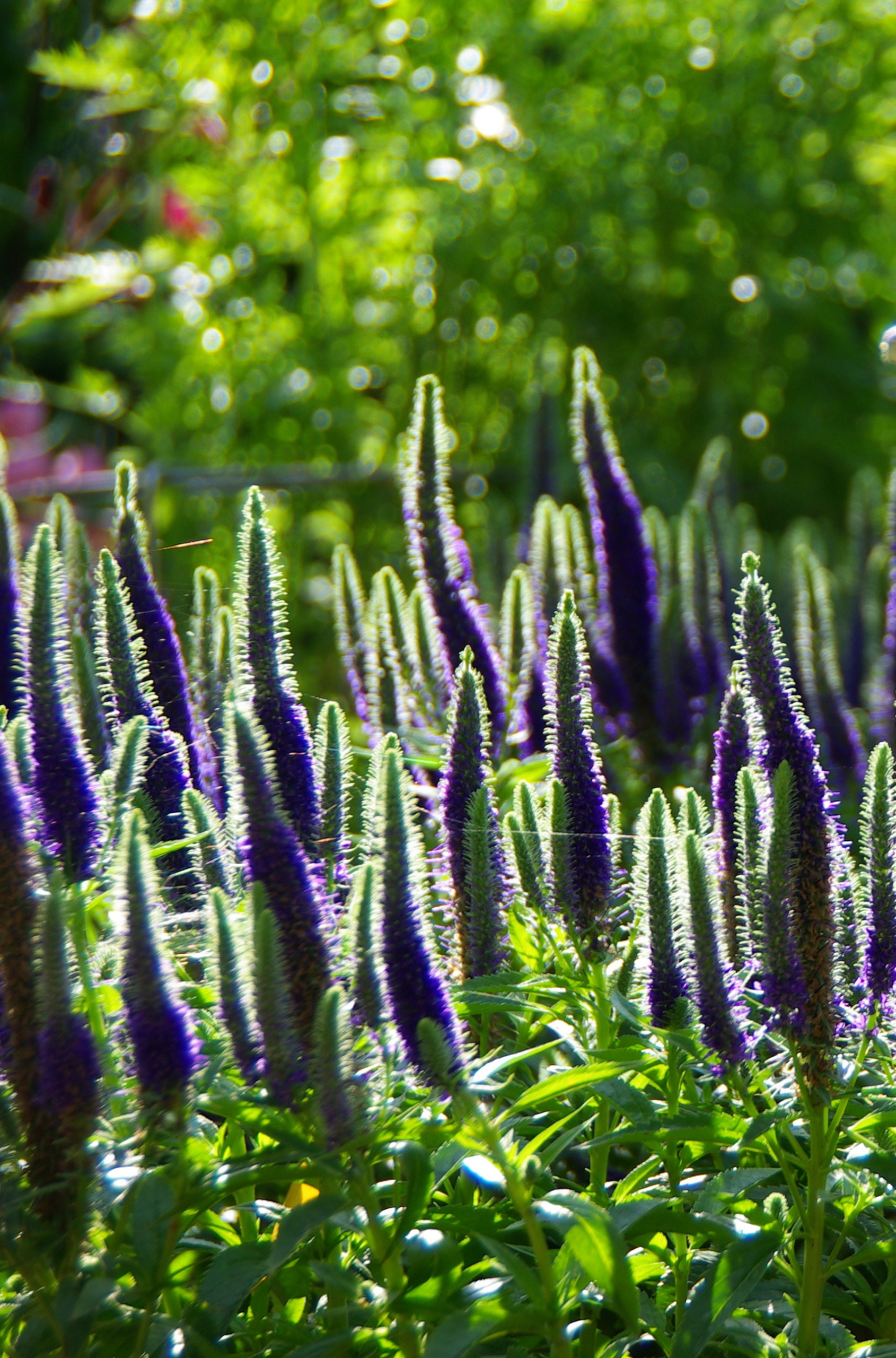
So why do we need bumblebees?
Bees are a critical part of our food chain. ‘As vital pollinators of everyday essentials such as tomatoes, beans and apples, our food security relies on their pollination service,’ says Lucy.
‘We need to protect [their natural habitat] and create gardens that provide nectar and pollen for them,’ agrees Laara Copely-Smith. ‘The decline in bees can and will directly affect the natural environment and the production of foods such as fruit and vegetables.’
A bee-friendly garden, continues Laara, will help the entire food chain by ‘maintaining our natural environment, and fertilising plants that produce seeds, fruit and vegetables, such as tomatoes, strawberries and apples’.
Bees are a critical part of our food chain. ‘As vital pollinators of everyday essentials such as tomatoes, beans and apples, our food security relies on their pollination service,’ says Lucy.
‘We need to protect [their natural habitat] and create gardens that provide nectar and pollen for them,’ agrees Laara Copely-Smith. ‘The decline in bees can and will directly affect the natural environment and the production of foods such as fruit and vegetables.’
A bee-friendly garden, continues Laara, will help the entire food chain by ‘maintaining our natural environment, and fertilising plants that produce seeds, fruit and vegetables, such as tomatoes, strawberries and apples’.
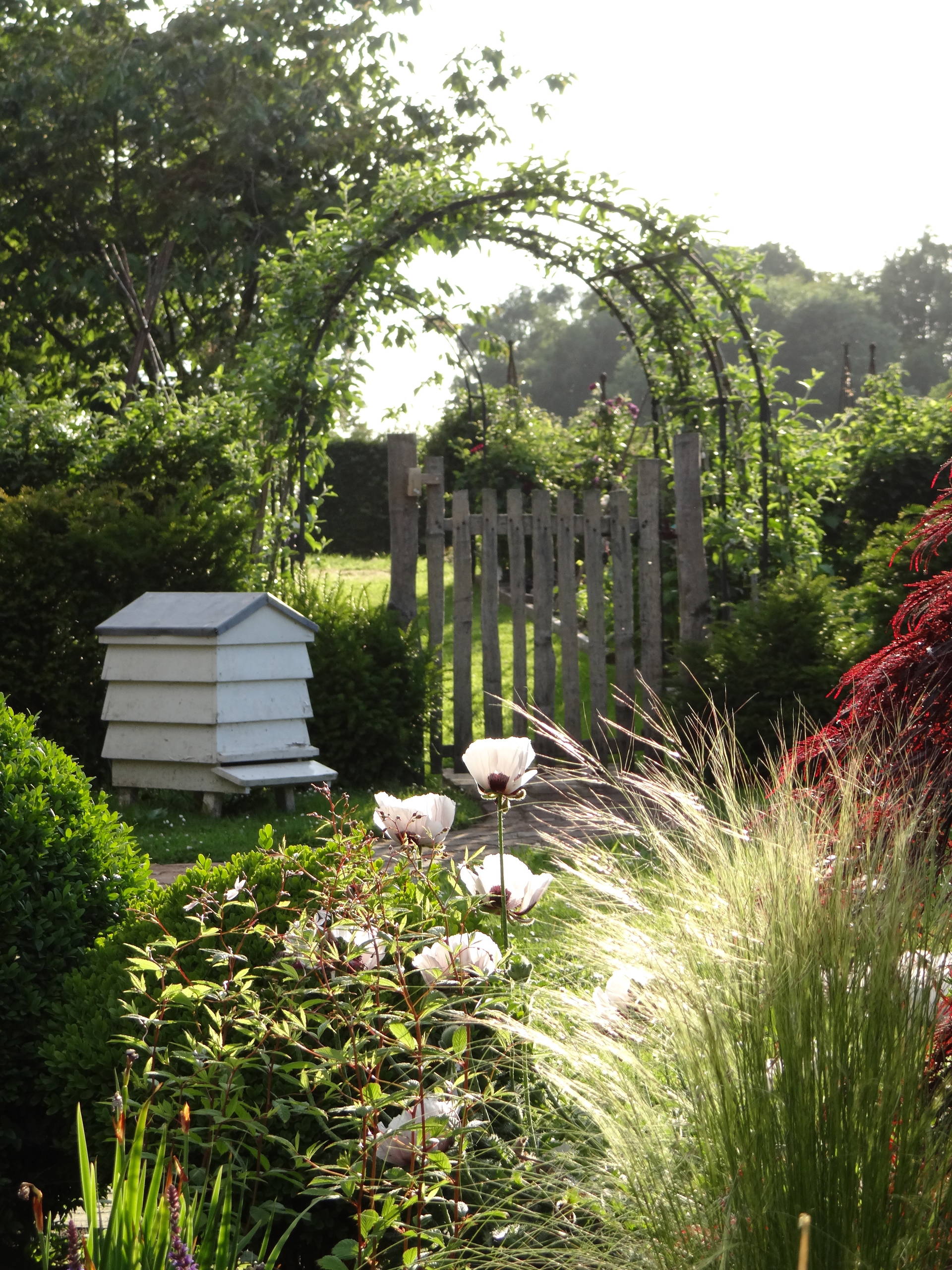
Are bumblebees the same as honeybees?
No. It’s easy to confuse honeybees and bumblebees, but the Bumblebee Conservation Trust has put together a fact sheet to identify the differences.
The big visual difference is that bumblebees have fat and furry bodies, whereas honeybees are slimmer and look more like wasps.
But the crucial lifestyle difference, points out the Trust, is that honeybees live in hives of up to 60,000 bees and are looked after by beekeepers, whereas bumblebees live in the wild in small nests of up to 400 bees. As such, the destruction of wildflower habitats is causing havoc with the bumblebee population, as they are losing both flowers to feed from and places to nest.
No. It’s easy to confuse honeybees and bumblebees, but the Bumblebee Conservation Trust has put together a fact sheet to identify the differences.
The big visual difference is that bumblebees have fat and furry bodies, whereas honeybees are slimmer and look more like wasps.
But the crucial lifestyle difference, points out the Trust, is that honeybees live in hives of up to 60,000 bees and are looked after by beekeepers, whereas bumblebees live in the wild in small nests of up to 400 bees. As such, the destruction of wildflower habitats is causing havoc with the bumblebee population, as they are losing both flowers to feed from and places to nest.
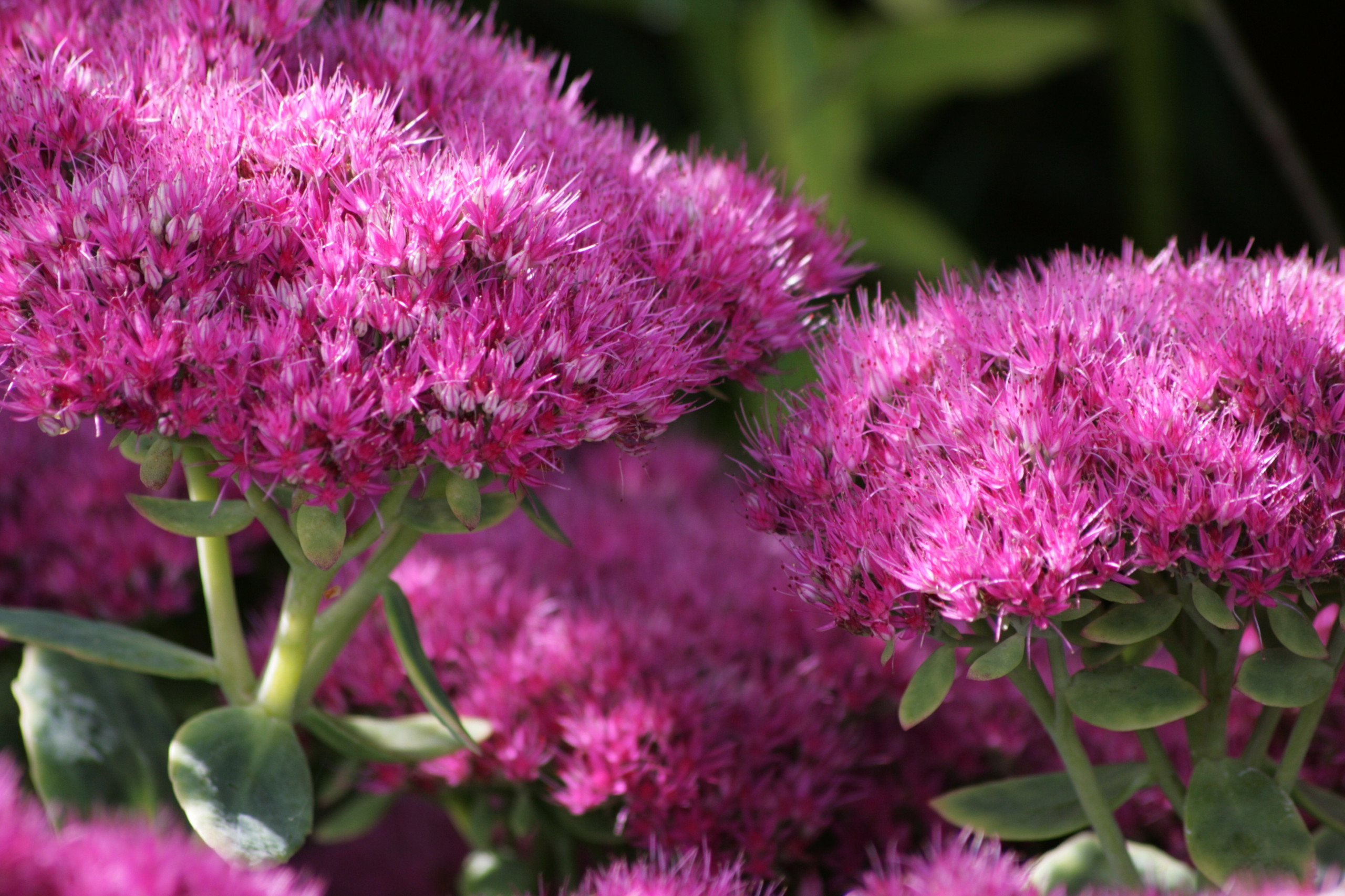
What is a bee-friendly garden?
Simply put, a garden that provides flowers throughout the year with pollen and nectar for bumblebees is a bee-friendly garden.
‘A garden that’s free from chemicals, such as pesticides, herbicides and weed killers, should also be a consideration,’ suggests Laara, ‘as the chemicals in these will affect wildlife.’
‘Use pesticides sparingly, and do not spray open flowers,’ adds Janine Pattison.
See our beginners guide to creating a green roof
Simply put, a garden that provides flowers throughout the year with pollen and nectar for bumblebees is a bee-friendly garden.
‘A garden that’s free from chemicals, such as pesticides, herbicides and weed killers, should also be a consideration,’ suggests Laara, ‘as the chemicals in these will affect wildlife.’
‘Use pesticides sparingly, and do not spray open flowers,’ adds Janine Pattison.
See our beginners guide to creating a green roof
Which plants should I choose?
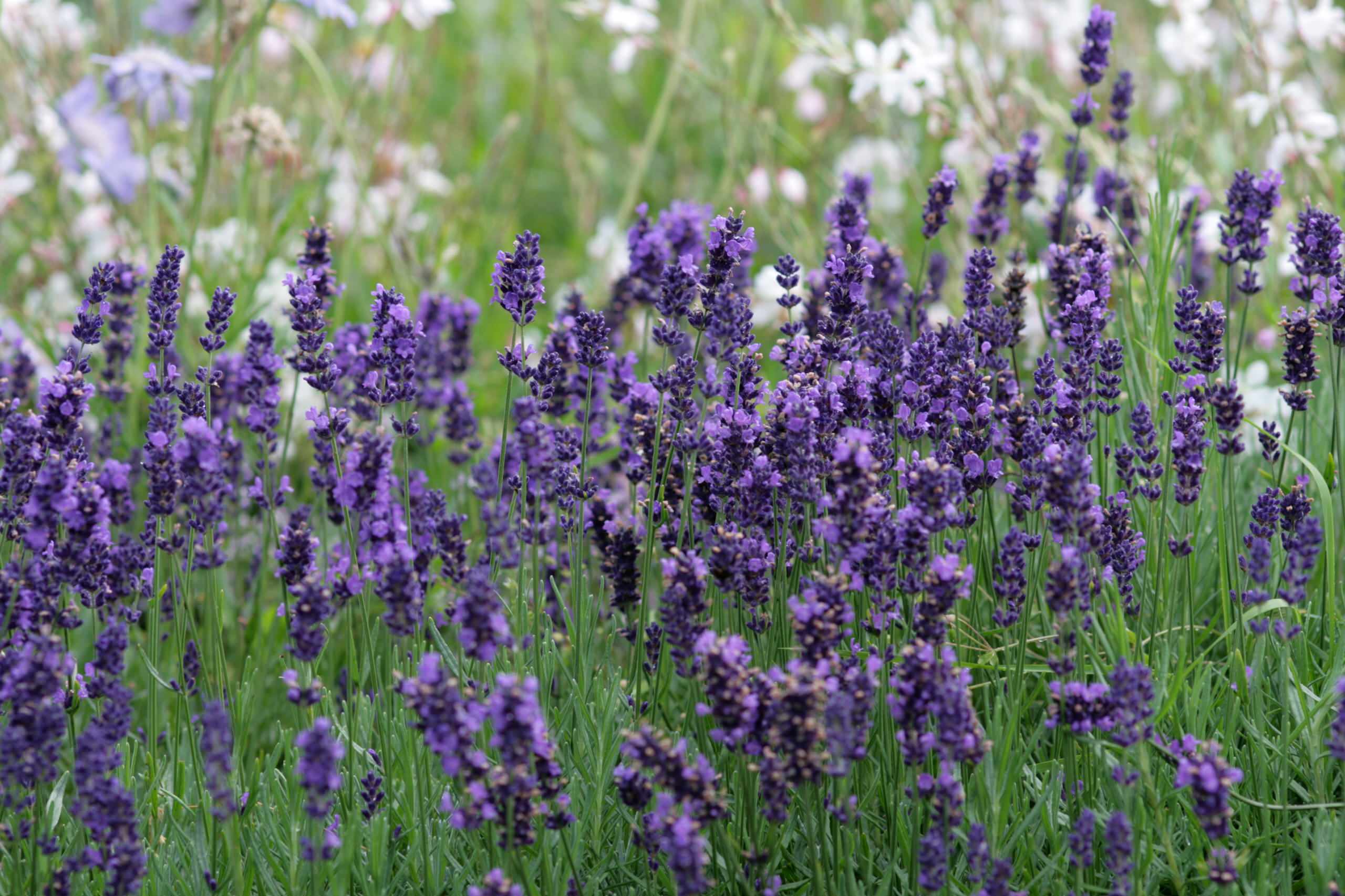
Janine recommends aiming ‘for at least two kinds of bee-friendly plants for each flowering period’ and suggests ‘planting clumps of bee-friendly plants in sunny places, rather than scattered or in the shade’.
The Bumblebee Conservation Trust suggests a range of flowers for each season, including the following:
Spring Bluebell, bugle, Californian lilac, comfrey, crocus, dicentra, flowering currant, lungwort, mahonia, pieris, pussy willow, viburnum.
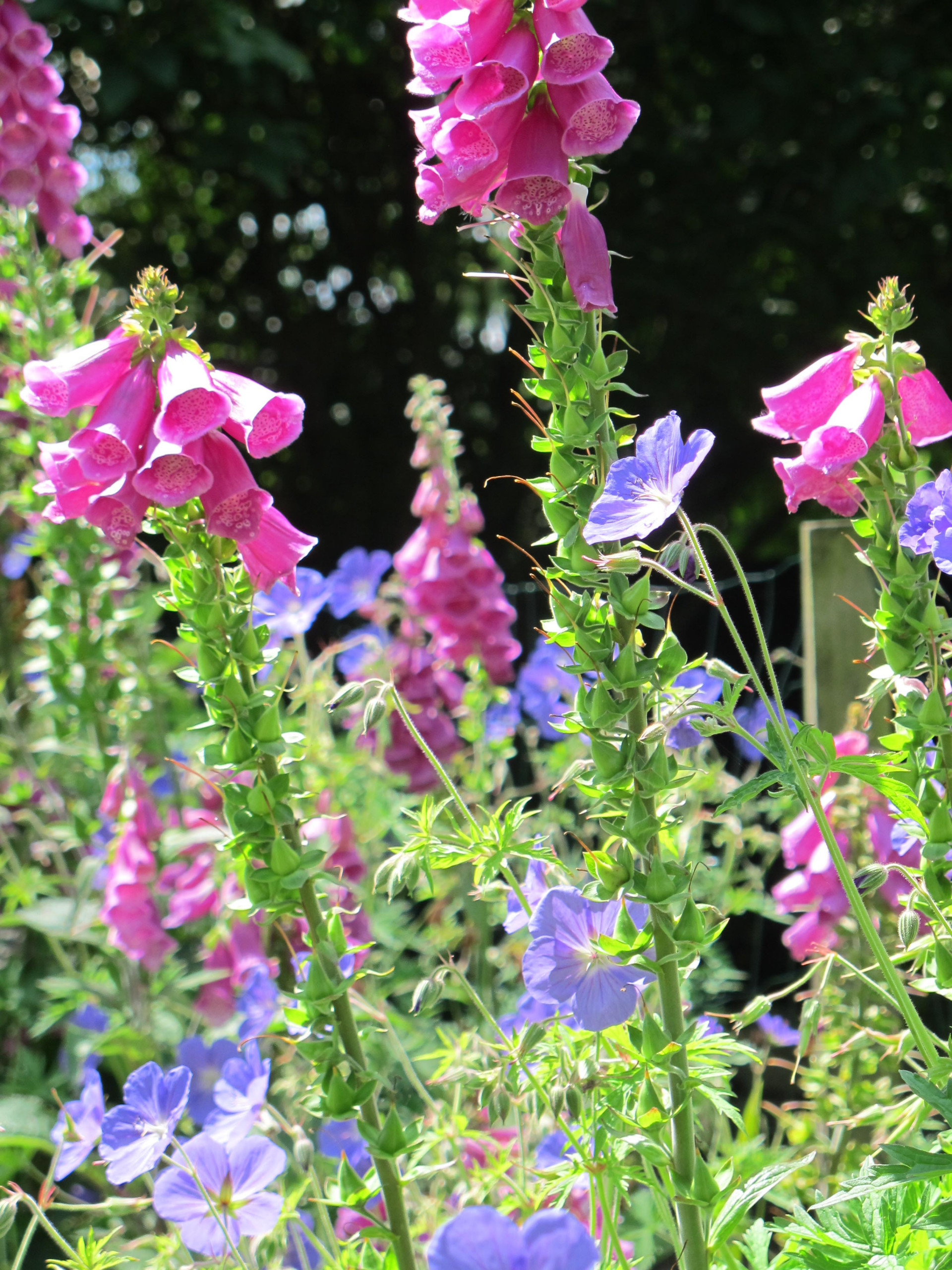
Early summer Allium, aquilegia, borage, campanula, catmint, cotoneaster, geranium, globe thistle, poppy, snapdragon, sweet pea, thyme.
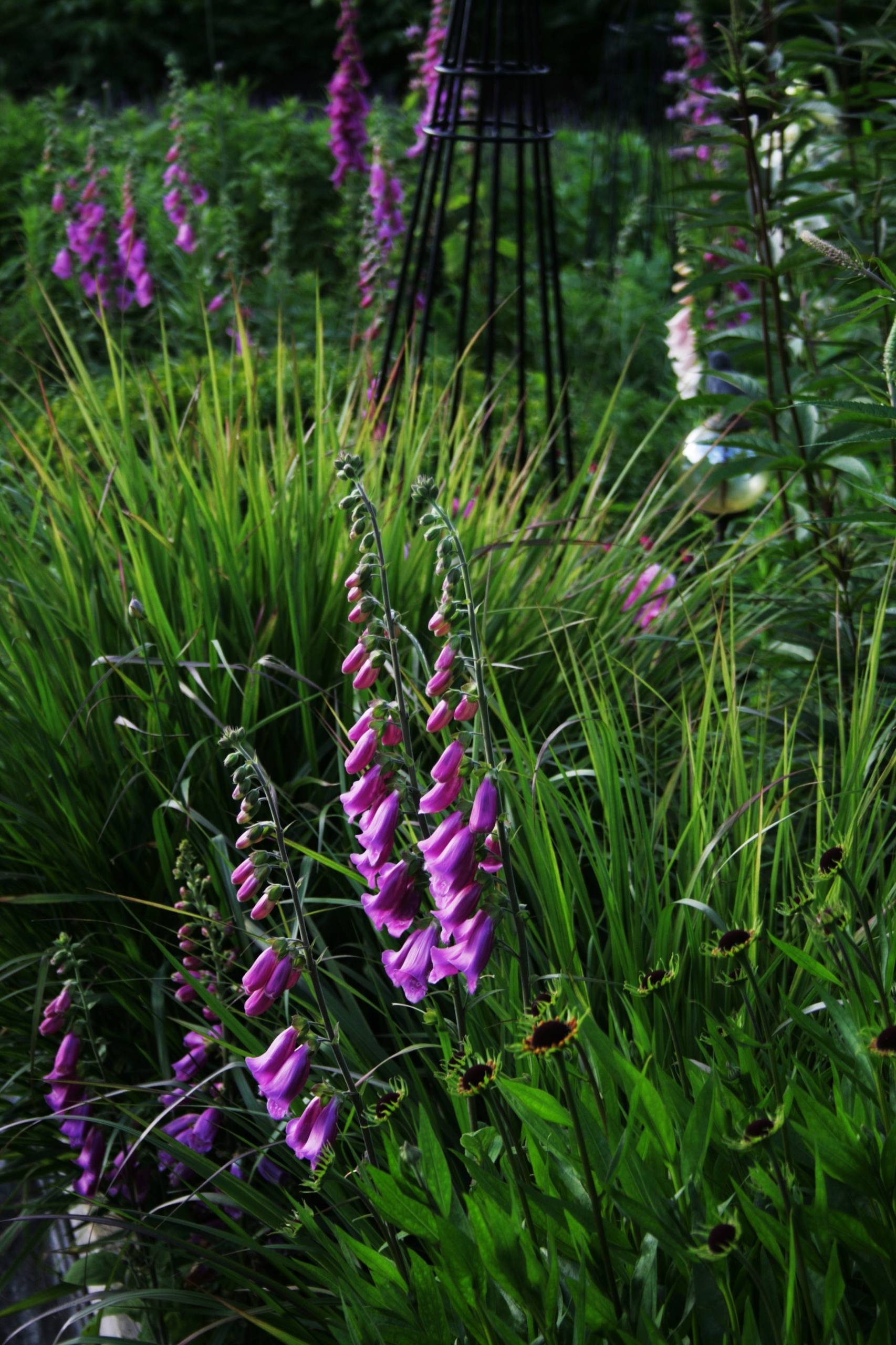
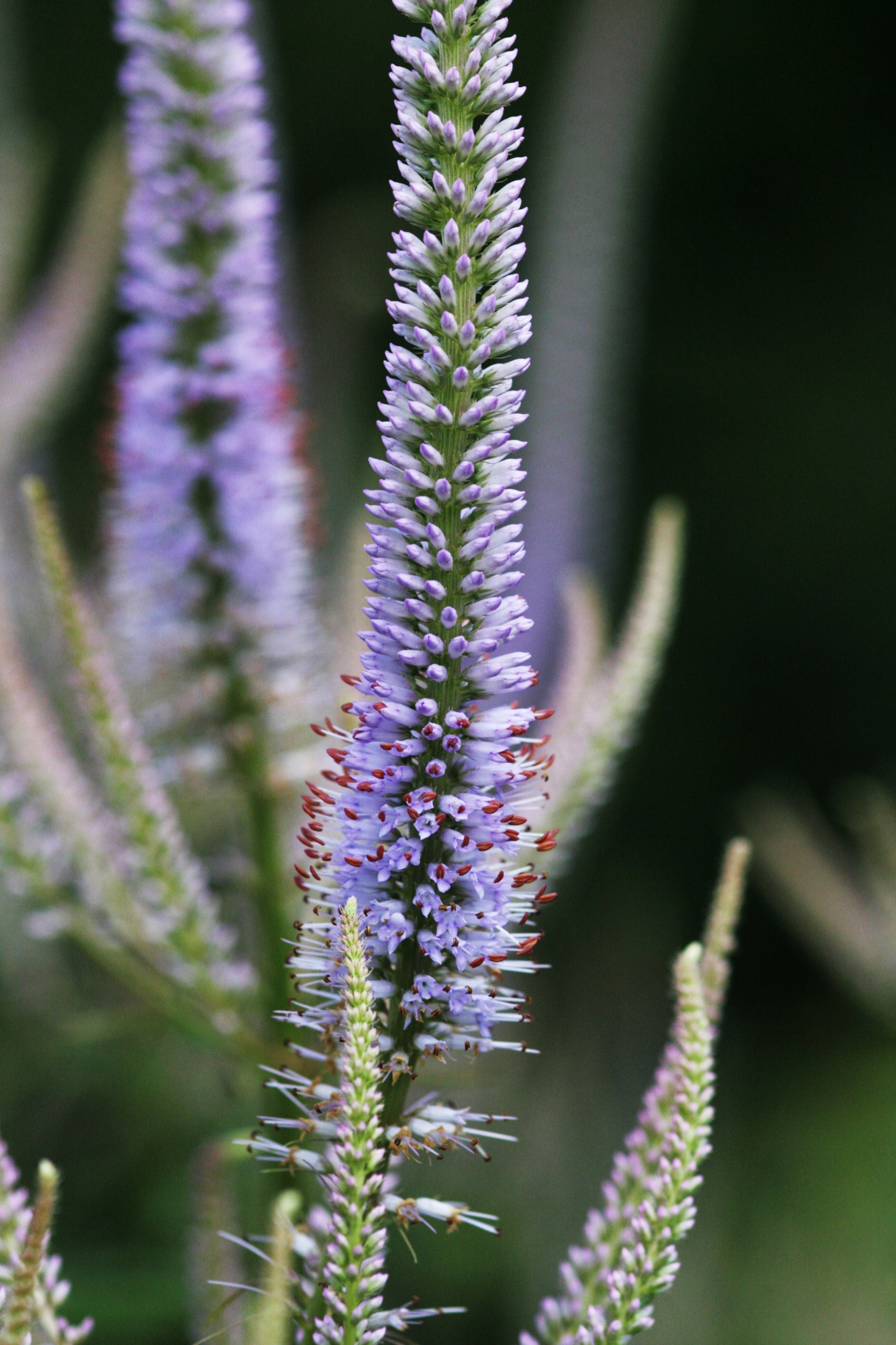
Late summer Buddleia, cornflower, cosmos, echinacea, foxglove, honeysuckle, lavender, lupin, marjoram, nasturtium, sedum, verbena.
Janine recommends aiming ‘for at least two kinds of bee-friendly plants for each flowering period’ and suggests ‘planting clumps of bee-friendly plants in sunny places, rather than scattered or in the shade’.
The Bumblebee Conservation Trust suggests a range of flowers for each season, including the following:
Spring Bluebell, bugle, Californian lilac, comfrey, crocus, dicentra, flowering currant, lungwort, mahonia, pieris, pussy willow, viburnum.
Early summer Allium, aquilegia, borage, campanula, catmint, cotoneaster, geranium, globe thistle, poppy, snapdragon, sweet pea, thyme.
Late summer Buddleia, cornflower, cosmos, echinacea, foxglove, honeysuckle, lavender, lupin, marjoram, nasturtium, sedum, verbena.
Any plants I should avoid?
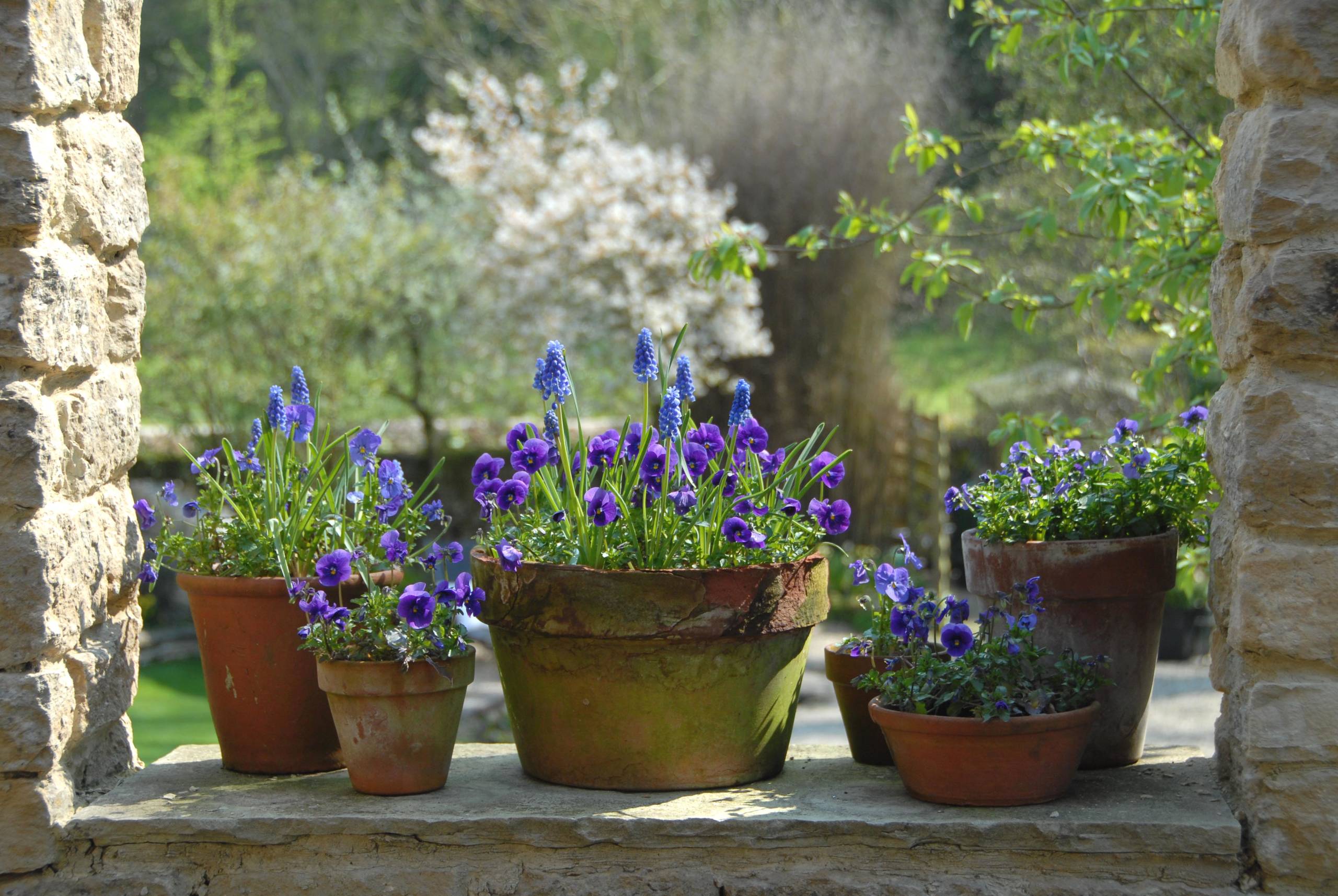
The Bumblebee Conservation Trust advises against ornamental plants such as pansies and begonias, as these flowers often produce little or no nectar. Laara suggests an easy way to tell is to avoid most ‘double flowers and multi-petal flowers, as these often lack pollen or have low pollen content’.
The Bumblebee Conservation Trust advises against ornamental plants such as pansies and begonias, as these flowers often produce little or no nectar. Laara suggests an easy way to tell is to avoid most ‘double flowers and multi-petal flowers, as these often lack pollen or have low pollen content’.
How much will it cost?
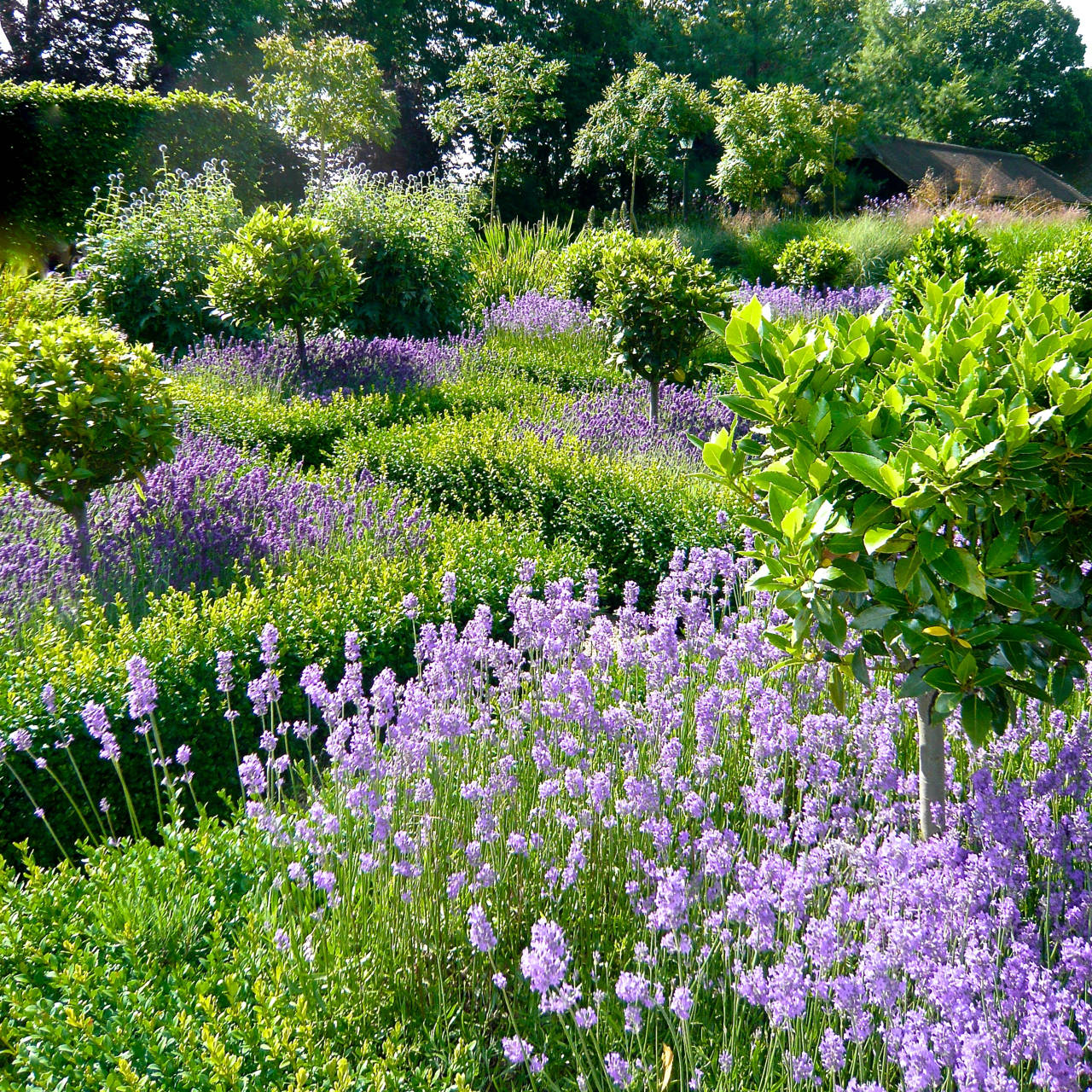
The beauty of a bee-friendly garden is its affordability. ‘Garden owners just need to plan a little more carefully to include bee-friendly plants,’ says Laara. But with a little planning, says Janine, ‘a bee-friendly garden can be enjoyed on any budget’.
The beauty of a bee-friendly garden is its affordability. ‘Garden owners just need to plan a little more carefully to include bee-friendly plants,’ says Laara. But with a little planning, says Janine, ‘a bee-friendly garden can be enjoyed on any budget’.
Can I create a bee-friendly urban garden?
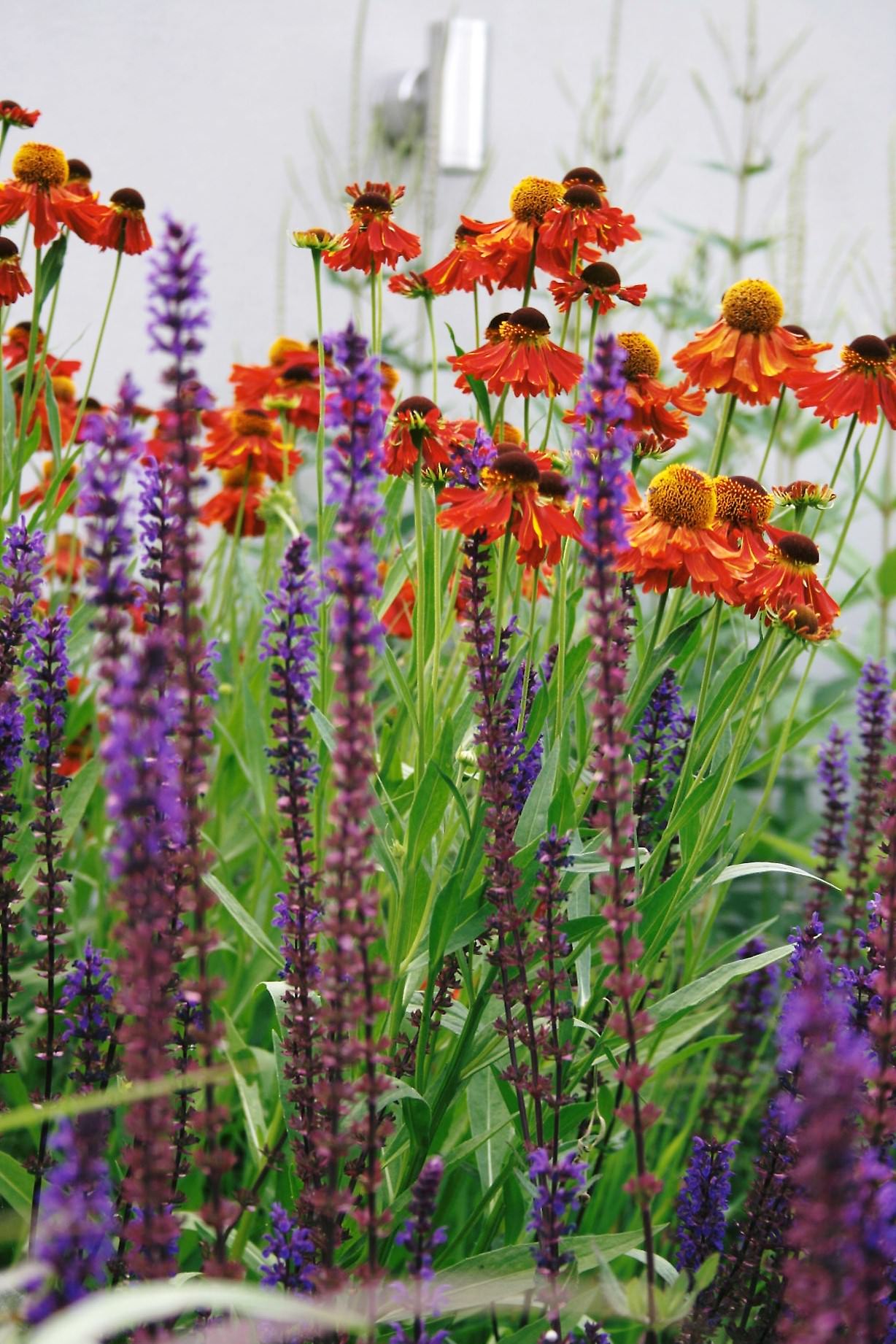
‘Yes. Bee-friendly plants can be introduced into most spaces, from a city plot to a country garden,’ says Laara. ‘You can plant in any suitable container, be it a planter, window box or vertical wall of planting. It’s just about being creative with space.’
‘A window box for a home without a garden can be a pretty and productive substitute for any lost bee habitats,’ adds Janine.
Take a tour of this award-winning shed and allotment in London
‘Yes. Bee-friendly plants can be introduced into most spaces, from a city plot to a country garden,’ says Laara. ‘You can plant in any suitable container, be it a planter, window box or vertical wall of planting. It’s just about being creative with space.’
‘A window box for a home without a garden can be a pretty and productive substitute for any lost bee habitats,’ adds Janine.
Take a tour of this award-winning shed and allotment in London
Take the quiz
Are you ready to join in? You can find out just how bee-friendly your garden is by taking this quiz compiled by the Bumblebee Conservation Trust. It can then send you a tailored list of 10 more flowers to add to help the bees even more.
Are you ready to join in? You can find out just how bee-friendly your garden is by taking this quiz compiled by the Bumblebee Conservation Trust. It can then send you a tailored list of 10 more flowers to add to help the bees even more.
What else can I do?
You can help support the Bumblebee Conservation Trust by taking part in BeeWatch. Just snap a photo of any unusual bumblebee types you spot in your garden and upload them to a dedicated site to help with a nationwide survey.
The more enthusiastic can also take part in a regular BeeWalk to spot and record bumblebees on a fixed route.
Find out more about both schemes at the Bumblebee Conservation Trust.
You can help support the Bumblebee Conservation Trust by taking part in BeeWatch. Just snap a photo of any unusual bumblebee types you spot in your garden and upload them to a dedicated site to help with a nationwide survey.
The more enthusiastic can also take part in a regular BeeWalk to spot and record bumblebees on a fixed route.
Find out more about both schemes at the Bumblebee Conservation Trust.
And finally…
Did you know that if you find a sleepy or stranded bumblebee, you can help them out by making a really simple remedy of artificial nectar to revive them? Mix equal parts white sugar and warm water, then pour into a small container (such as a teaspoon) or onto a sponge. Place both the bee and the artificial nectar near to some flowers.
‘It is critical we take action now to save these iconic, charismatic and valuable insects and help save the sound of summer,’ says Lucy.
TELL US…
Do you have a bumblebee-friendly garden? Would you like to create one? Tell us about it or upload your photos in the Comments below.
Did you know that if you find a sleepy or stranded bumblebee, you can help them out by making a really simple remedy of artificial nectar to revive them? Mix equal parts white sugar and warm water, then pour into a small container (such as a teaspoon) or onto a sponge. Place both the bee and the artificial nectar near to some flowers.
‘It is critical we take action now to save these iconic, charismatic and valuable insects and help save the sound of summer,’ says Lucy.
TELL US…
Do you have a bumblebee-friendly garden? Would you like to create one? Tell us about it or upload your photos in the Comments below.


The question should really be, where are all the wildflower meadows? The natural habitat of the bumblebee has been vanishing at an alarming rate, which has had a drastic effect on the bumblebee population. ‘Since the end of the Second World War, we have lost nearly 97% of our flower-rich meadows,’ explains Lucy Rothstein,
‘leaving bumblebees little to feed on and causing their populations to plummet.’
So concerned are wildlife experts about the plight of the bumblebee that the Bumblebee Conservation Trust was established to raise awareness of the situation, help to support habitats and educate the public.
‘We are passionate about securing the future of the UK’s bumblebees,’ says Lucy, and the Trust has the support of industry heavyweights such as Sir David Attenborough, Kate Humble and Chris Packham.