
Search results for "Nutrient cycling" in Home Design Ideas

 Benjamin Vogt / Monarch Gardens
1,000' front lawn converted to meadow beds in suburban development.
This is an example of a drought-tolerant and full sun front yard landscaping in Other for winter.
This is an example of a drought-tolerant and full sun front yard landscaping in Other for winter.
 Steve Masley Consulting and Design
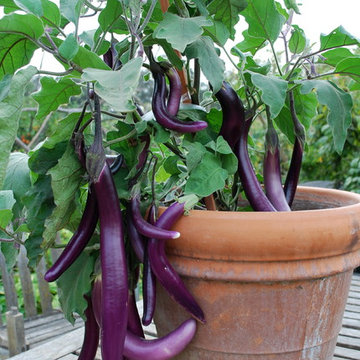
Eggplants thrive in terra-cotta pots. Photo by Steve Masley.
Photo of a traditional landscaping in San Francisco.
Photo of a traditional landscaping in San Francisco.

Find the right local pro for your project
 Susan's Edible Garden & Permaculture Design
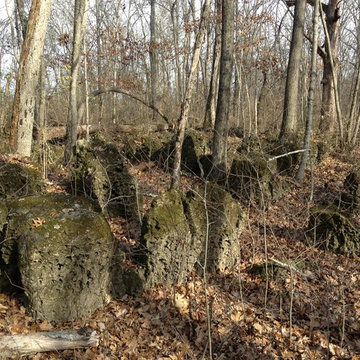
I grew up hiking in the ozark mountains of Missouri. This deciduous forest in winter shows leaves blanketing the earth. This is natural composting. Nutrients cycle from soil, through trees and return to the earth where decomposers make nutrients available once again. We can do this on our property on a smaller scale. This system makes landfills obsolete.
 Steve Masley Consulting and Design
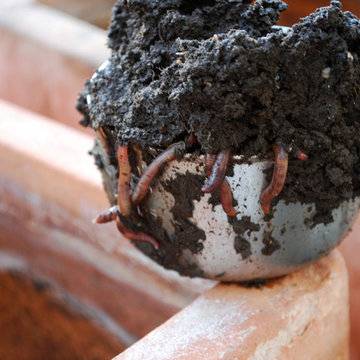
The "secret ingredient" in organic container gardens: worm castings with live worms. Red compost worms convert organic nutrients in potting soils into plant-available form, and the last chamber of the worm gut is loaded with beneficial bacteria and fungi that boost plant immunity, cycle nutrients, and increase the water-holding capacity of the potting soil. Photo by Steve Masley.
 John
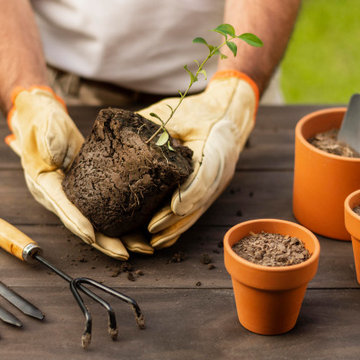
JohnCoco coir is a versatile and sustainable growing medium that is gaining popularity among gardeners. Made from the fibrous husk of coconuts, it’s an eco-friendly alternative to peat moss and can greatly enhance the quality of your soil. In gardening, it is often utilized in systems like Coco Coir Hydroponic, where it helps create an efficient water and nutrient delivery system.
What is Coco Coir?
Coco coir is a natural fiber extracted from coconut husks. It has a neutral pH, excellent water retention, and is reusable, making it a favorite among gardeners who prefer organic and sustainable practices. It is available in different forms such as blocks, bricks, or loose coir, each requiring some preparation before use in gardening.
Benefits of Using Coco Coir in Gardening
Coco coir offers several advantages for gardening. Here are the benefits of using coco coir in gardening:
Holds up to 10 times its weight in water, ensuring plants have consistent moisture.
Promotes oxygen flow to plant roots, leading to healthier root systems.
Coco coir is a renewable and eco-friendly alternative to peat moss.
It can be washed, rehydrated, and reused, reducing waste.
Naturally pH neutral, making it suitable for various plants without major adjustments.
Enhances the texture and moisture retention of garden soil.
How to Prepare Coco Coir for Planting
Preparing coco coir for planting involves a few essential steps. First, you need to hydrate the coir block, as it typically comes in a compressed form. Place the block in a large container and add warm water, allowing the block to expand and absorb the water. Once fully expanded, the coir should be fluffed up by breaking it apart with your hands or a tool to ensure it becomes loose and airy. After the coir has been fluffed, it is important to drain any excess water, as overly wet coir can lead to root suffocation. Finally, since coco coir is inert and does not contain nutrients, it’s a good idea to add organic compost or liquid fertilizer to enrich the coir before planting.
Do You Need to Soak Coco Coir Before Planting?
Yes, soaking coco coir before planting is necessary. Since it comes in a compressed form, it needs to be broken down and hydrated for proper use. The soaking process allows the coir to expand and release the fibers, making it usable as a growing medium. After soaking, the coir should be fluffed to ensure the water is evenly distributed. Draining any excess water is crucial because overly wet coir may impede plant root health.
How to Prepare Coco Peat for Planting
Coco peat, a fine, powdery form of coco coir, is highly beneficial for seed starting and improving water retention in soil. To prepare coco peat, it first needs to be hydrated, similar to how you prepare coir blocks. Slowly add water to the peat in a container and allow it to absorb and fluff up. Once hydrated, coco peat can be used on its own or mixed with other growing media such as perlite or vermiculite for added aeration and drainage. It is advisable to check the pH level of your final mix, as coco peat generally has a neutral pH, but adjustments may be necessary depending on the plants being grown.
Can You Use Just Coco Coir for Plants?
Yes, coco coir can be used by itself to grow plants, especially in hydroponic systems or as a seed-starting medium. However, because coco coir does not naturally contain nutrients, you will need to provide regular fertilizer to support plant growth. This makes it particularly suitable for plants grown in controlled environments, such as hydroponics, where nutrient solutions can be carefully managed. In traditional soil-based gardening, mixing coco coir with other organic materials like compost is recommended to provide essential nutrients and improve the overall soil structure.
How to Use Coco Coir in Hydroponics
Coco coir is widely used in hydroponic systems due to its water retention and aeration properties. To use coco coir in hydroponics, it first needs to be soaked and hydrated, as discussed earlier. Once the coir is fully prepared, it can be placed in the hydroponic system. Since coco coir does not contain natural nutrients, you will need to supply a balanced nutrient solution tailored for hydroponic plants. Regular monitoring of water and nutrient levels is essential to prevent nutrient imbalances or root rot. One of the benefits of coco coir in hydroponics is its reusability. After completing a growing cycle, the coir can be washed, rehydrated, and used again in future plantings.
Using Coco Coir as a Soil Amendment
Coco coir is also an excellent soil amendment, as it improves the texture and moisture retention of garden soil. To use coco coir in this way, mix loose coir with your existing garden soil at a ratio of one part coco coir to two parts soil. This will help retain moisture without compacting the soil, improving both water drainage and root growth. For optimal results, you can also add organic compost to the mix, ensuring that the nutrient levels are sufficient for plant growth. Coco coir works particularly well in raised beds, where it helps maintain proper soil structure over time.
Advantages of Using Coco Coir Over Peat Moss
While peat moss has been traditionally used as a growing medium, coco coir offers several advantages over it. Coco coir is a renewable resource, as it is a byproduct of coconut processing, while peat moss is harvested from peat bogs that take centuries to regenerate. Coco coir is also more durable, as it can be reused multiple times without breaking down, while peat moss disintegrates after a single use. Another key benefit is its neutral pH, whereas peat moss is more acidic and may require balancing to meet the needs of specific plants.
Conclusion
Coco coir is a highly versatile and sustainable growing medium that benefits both novice and experienced gardeners alike. Whether you are using it for hydroponics, as a soil amendment, or as a standalone medium for growing plants, knowing how to properly prepare and use it is key to maximizing its benefits. By following the steps detailed above, you can improve water retention, aeration, and overall plant health in your garden, all while contributing to eco-friendly gardening practices.
 Five Star Tree Care
Most trees have leaves that will change colours every time the seasons change. This means that you may see changes three to four times a year depending on where you live. However, they will typically retain some measure of green colouring on their leaves until fall rolls around.
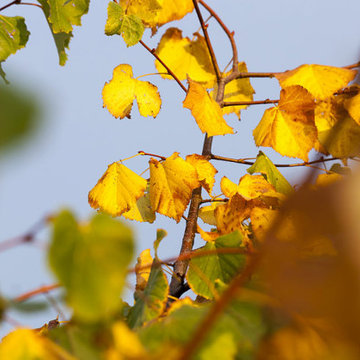
During the fall season, trees explode with bright reds, oranges, and vibrant yellows. This is a natural part of their growth and hibernation process. However, if you see these colours in the offseason, it may be a sign that there is a problem. Below, Five Star Tree Services discusses why your leaves may be yellow during the summer and what you can do about it.
Should Leaves Turn Yellow in the Summer?
If your trees have yellow leaves in the summer, it is a sign that it is suffering from disease, or having a problem with its growth cycle. Having your trees inspected periodically by a trained professional will help you catch problems early. If your trees already have yellow leaves in the offseason, they can identify the cause and suggest a solution. When diagnosed early, suggested treatments can help save the tree. Keep reading for some common causes of yellowing leaves.
Improper Watering
One of the most common reasons trees start to develop yellow leaves in the summer is due to dehydration. Checking the soil moisture levels will help determine if your trees are getting enough water. Hydration is important all year long, but especially crucial during the hot summer months. If there are dry areas around your tree trunk, it is a good idea to partake in deep root watering to help keep your trees healthy and well-watered. Make sure that you don’t overwater your trees because flooding their roots can also be unhealthy.
Lacking Nutrition
Just like people, trees need to get the right blend of nutrients in order to remain healthy. If your tree has yellow leaves in the summer and is also getting enough water, chances are it is not getting the nutrients it needs from the soil. If soil testing shows low levels of nutrients, it is a good idea to schedule a deep root fertilization treatment to adjust the levels. In many instances, correcting the soil will help you save the tree.
Insect or Pest Infestation
Yellow summer leaves are also a sign that a tree has been infested with pests. Some pest is only active in the summer. Some of the most common are:
Emerald Ash Borer
Asian Long-Horned Beetle
Yellownecked Caterpillar
Ash Flower Gall
Bronze Birch Borer
Apple-and-Thorn Skeletonizer
Eastern Tent Caterpillar
Birch Leafminer
Fall Webworm
Gypsy Moth
And many others
The first thing you should do is call an arborist to have the tree inspected. They will be able to identify the root of the problem and formulate a solution to treat the pest infestation. This will help you get rid of the bugs once and for all and save your tree in the process.
How We Can Help
If you have noticed that one of your trees have begun to develop yellow leaves, give Five Star Tree Services a call as soon as possible. We have been providing tree care services in Toronto for over 10 years. Our skilled arborist would be more than happy to evaluate your tree and suggest a solution to treat the problem, so don’t wait. Contact us at (416) 990-3355 today!
 Five Star Tree Care
Trees, like people, are living beings that need care, nutrition, and a healthy environment in order to thrive. Although tree death is a normal part of their life cycle, with the right care and proper conditions, they can live for thousands of years. Trees are an important part of our environment, and without them, humanity itself will cease to thrive. Therefore, it is important that we do everything possible to properly care for the trees on our property and in our area to maintain their vitality.
The Benefits of Commercial Tree Care
Here at Five Star Tree Services, we care about the environment and have dedicated our business to pruning, cutting, and maintaining trees and hedges. We offer a wide range of services at a price you can afford. Below, we have put together a shortlist of reasons why you should schedule regular commercial tree care services for your property.
Reduce Liability
A sick tree or a dead branch can cause bodily harm to a person if they happen to be near the tree when it falls. If you own a business, however, there is more to falling branches than the potential for harm or property damage. A customer, employee, or contractor who is hurt by a falling branch or tree on your property has the right to sue. This can cause strain on your business and destroy your good image. Working with a professional Toronto tree care company will ensure that the trees on your property are always healthy and well maintained to prevent accidents.
Healthy Trees
There is no purpose in keeping dead branches on your tree. Not only do they occupy space, but they also sap nutrients that your tree needs to thrive. Dead branches are also a hazard since they can fall down at any time. Depending on the size of the branch, this can cause property damage or injury. Regular tree care by a professional company keeps dead branches to a minimum and provides protection to your family, customers, and property at the same time.
Aesthetics
Everyone likes to look at a nice lawn, colourful garden, and well-maintained trees. For commercial locations, customers are more prone to visit stores and businesses that present a well-kept exterior over those that don’t. Quality is always more important than looks, but in the world of commerce, appearances can spur higher quantities of foot traffic. Additionally, when curb appeal increases, property value increases. This is great if you plan on selling it in the future.
Proper Maintenance
It is easy to ask your employees or your kids to take care of your lawn, but chances are, it is a well-hated chore. Tree care, on the other hand, is not something that should be left up to chance, or handled by those with no experience. When you hire Five Star Tree Services, our team will ensure that the needs of your trees are met and that they are properly maintained. If you are interested in learning more about our services, give us a call at (416) 990-3355 today.
1