
Search results for "Prioritize raptness" in Home Design Ideas
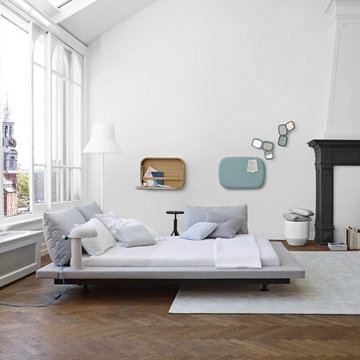
 Soft Square-Modern & Contemporary Furniture Store
LIgne Roset - PETER MALY 2
designer: Peter Maly
Peter Maly bed is aimed squarely at those whose prioritize the comfort, originality, and aesthetic design of their bed. This bed is ideal for those whose preference is a pared-down bedroom offering copious amounts of space for rest and relaxation. Just the same, in a small loft or studio, the Maly bed could also be used as a welcoming space for entertaining or relaxing. The Maly bed's construction is based around a vast central platform (slatted base, mattress, and bedding) that is soft and supple surrounded by horizontal planes that give it a more rigorous geometric effect. The pillow and headboard cushions slide freely around the bed frame, allowing for a multitude of different positions - there is no set way the bed should be used.
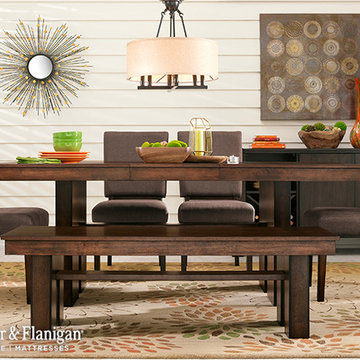
 Raymour & Flanigan Furniture and Mattresses
Whether it’s style, comfort or versatility you prioritize in dining room furniture, the Teagan dining collection is an excellent choice. This set’s rich walnut veneers lend a stunning, warm look that will beautify any space, while the linen-look upholstery in chocolate adds the perfect finishing touch.
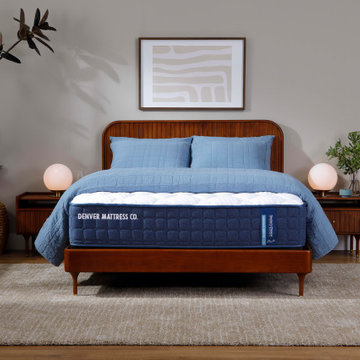
 Denver Mattress
The right bedroom starts with the right support. This calming retreat showcases the Doctor's Choice® Original Medium Mattress from Denver Mattress, designed for sleepers seeking the ideal balance of comfort and support.
Engineered to help promote proper spinal alignment while providing pressure-relieving comfort, the Doctor's Choice® Original Medium is a versatile sleep solution for a wide range of sleep styles. The mattress serves as the foundation of a restorative bedroom designed to help you wake up feeling refreshed and ready for the day ahead.
Warm wood furnishings, soft neutral tones, natural greenery, and layered textures create a relaxing environment focused on wellness and recovery. Together, thoughtful design and supportive sleep technology demonstrate how a bedroom can be both beautiful and functional while prioritizing what matters most: better sleep.
Find the right local pro for your project
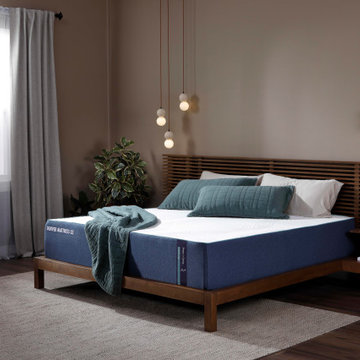 Denver Mattress
Designed for sleepers who prioritize support and recovery, this contemporary bedroom showcases the Doctor's Choice® Hybrid Firm Mattress from Denver Mattress. Combining advanced comfort materials with the responsive support of a hybrid design, the mattress is engineered to help promote proper spinal alignment and provide lasting comfort throughout the night.
The firm feel offers a stable, supportive sleep surface that many back and stomach sleepers prefer, while the hybrid construction helps deliver pressure relief without sacrificing support. Together, these features create a sleep experience focused on helping you wake up feeling refreshed and ready for the day ahead.
Surrounded by warm wood tones, soft textures, natural greenery, and calming lighting, the room demonstrates how thoughtful design and sleep-focused engineering can work together to create a restorative retreat dedicated to wellness and better sleep.
 RMW Team
Designing a Health-Focused Home Living Space
Designing a health-focused home living space is more than just arranging furniture and choosing colors; it's about creating an environment that promotes physical well-being, mental clarity, and overall wellness. As we spend more time at home, especially in the wake of recent global shifts towards remote work and lifestyle changes, the importance of our living spaces in supporting our health has never been greater. Here are some key considerations when designing a health-oriented home.
Natural Light and Air Quality
Natural light plays a crucial role in our health, affecting everything from our sleep patterns to our mood. When designing your home, prioritize spaces that allow for ample sunlight. Large windows, skylights, and strategically placed mirrors can help maximize natural light. In rooms where natural light is limited, consider using full-spectrum lighting that mimics daylight to support your circadian rhythms.
Air quality is another critical factor in a health-focused home. Indoor air can be more polluted than outdoor air due to various factors like off-gassing from furniture, household cleaners, and poor ventilation. Incorporating plants that are known to purify air, such as spider plants, snake plants, and peace lilies, can help improve indoor air quality. Additionally, ensure your home is well-ventilated by using exhaust fans in kitchens and bathrooms, and consider investing in air purifiers, especially if you live in an area with high pollution levels.
Ergonomic Furniture and Movement Spaces
The furniture you choose and how you arrange it can significantly impact your physical health. Ergonomic furniture, especially in workspaces, can help prevent strain and injury. Adjustable desks, supportive chairs, and monitor stands can contribute to better posture and reduced risk of musculoskeletal issues.
Incorporating spaces that encourage movement is also important. For example, a small home gym or a yoga corner can serve as a dedicated area for physical activity. Even in smaller spaces, you can create movement opportunities by ensuring there’s enough room to stretch or do simple exercises. Open floor plans or multipurpose spaces that can be easily reconfigured for different activities can help integrate movement into daily life.
Mindful and Minimalist Design
A clutter-free environment is conducive to mental clarity and relaxation. Mindful and minimalist design principles focus on creating spaces that are both functional and aesthetically pleasing without being overwhelming. Start by decluttering and organizing your belongings, keeping only what you need and what brings you joy.
Choose furniture and decor that are simple, natural, and calming. Materials like wood, stone, and natural fibers not only add a touch of nature to your home but also tend to have fewer chemicals than synthetic materials. Neutral color palettes with accents of soothing colors like blues and greens can help create a tranquil atmosphere.
Sleep and Restful Areas
A significant part of health-focused design is creating spaces that promote restful sleep. Your bedroom should be a sanctuary that encourages relaxation. Invest in a good-quality mattress and pillows that support your body. Blackout curtains, soundproofing, and maintaining a cool room temperature can also contribute to better sleep quality.
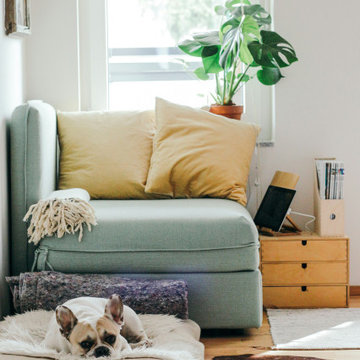
In addition to the bedroom, consider creating other restful areas in your home where you can unwind, meditate, or practice mindfulness. A cozy reading nook, a meditation space, or even a comfortable chair by a window can serve as your personal retreat.
Incorporating Nature and Green Spaces
Finally, integrating elements of nature into your living space can have a profound impact on your health. Biophilic design, which connects indoor environments with nature, has been shown to reduce stress and increase feelings of well-being. This can be as simple as adding more houseplants, incorporating natural materials, or even installing a small indoor water feature.
If you have outdoor space, create a garden or a patio where you can relax and enjoy fresh air. Even a small balcony can be transformed into a green oasis with the right plants and seating.
By thoughtfully designing your living space with health in mind, you create an environment that not only looks beautiful but also supports your physical and mental well-being.
1