
Search results for "Reliable suppliers" in Home Design Ideas

 ESS Design+Build
Open concept kitchen - mid-sized transitional l-shaped medium tone wood floor open concept kitchen idea in Austin with an undermount sink, shaker cabinets, white cabinets, concrete countertops, metallic backsplash, mosaic tile backsplash, stainless steel appliances and an island

 Free Lancing
Effective residential construction project management is crucial in today’s fast-moving building industry. It means overseeing every step of building a home, from planning to finishing, to ensure projects are completed time, within budget, and with high quality. Unlike commercial projects, residential projects require special attention to meet homeowners' unique needs and wishes, requiring a customized approach from the beginning to the end.
In 2025, the construction sector will use advanced technologies like AI and integrated project delivery (IPD) to streamline processes and improve stakeholder collaboration. However, project managers face significant challenges, including managing risks, maintaining quality control, and ensuring effective communication among team members.
A WIP Report (Work-in-Progress Report) is a key tool that helps track a project's budget, progress, and resource use. It provides clear insights, making managing costs easier, avoiding delays, and making informed decisions.
By adopting best practices and using modern construction management tools, project managers can overcome these challenges and deliver successful residential construction projects that meet client expectations and contribute to a sustainable future.
This article provides a brief overview of residential construction project management, highlights its importance, and touches on the challenges faced by project managers while incorporating the latest trends and technologies in the field.
Types of Residential Construction Management
Here are the different types of Residential Construction Management:
Single-Family Homes: These are standalone houses built for individual families. Managing these projects involves overseeing construction from planning to completion, ensuring that the home meets the owner's preferences and budget.
Multi-Family Housing: This includes apartments, condominiums, and townhouses. Projects of this type require managing multiple units, often with shared facilities, and ensuring compliance with local building codes.
Custom Home Building: This involves constructing homes tailored to specific client needs. Close collaboration with architects and designers is required to ensure the house reflects the owner's personality and preferences.
Home Renovation and Remodeling: These projects focus on updating or expanding existing homes. They often involve working with subcontractors for specialized tasks like electrical or plumbing work.
Components of Residential Construction Project Management
Managing a residential construction project requires carefully coordinating people, materials, and timelines. A well-structured approach ensures efficiency, cost control, and high-quality results.
Roles and Responsibilities
A project manager plays a vital role in residential construction. They oversee every step from planning to completion and ensure the project stays on schedule, within budget, and meets quality standards.
Project Manager’s Role in Home Construction
The project manager is responsible for organizing tasks, managing resources, and solving problems that arise during construction. They coordinate between different teams, track progress, and ensure safety regulations are followed.
Collaboration with Contractors, Architects, and Stakeholders
Successful residential construction requires teamwork. Project managers work closely with architects to bring designs to new heights, coordinate with contractors to manage labor and materials, and keep stakeholders (such as homeowners and investors) informed about project updates.
Client Communication and Expectations Management
Clear communication with clients is essential. The project manager keeps homeowners updated on timelines, changes, and challenges. Setting realistic expectations and providing regular updates, they help avoid misunderstandings and keep the project running smoothly.
Project Scope & Planning
Practical project planning sets the foundation for a successful residential construction project. It ensures clear goals, minimizes risks, and keeps the project on track.
Defining Project Objectives and Deliverables:
Clearly outlining what needs to be done and what the final result should look like is essential. This involves setting specific, measurable goals that align with the homeowner's vision and budget.
Managing Homeowner Expectations and Scope Creep:
Homeowners often have changing needs or ideas. Effective project managers must manage these expectations to prevent "scope creep," which can delay projects and increase costs. This involves open communication and setting clear boundaries.
Ensuring Compliance with Zoning Laws and Permits:
Before construction begins, it's crucial to ensure that all necessary permits are obtained and that the project complies with local zoning laws. This step avoids costly fines and delays, ensuring the project moves forward smoothly.
Budgeting & Cost Control
Proper budgeting is essential for keeping residential construction projects financially viable. Effective cost management prevents overspending and ensures profitability.
Accurate Cost Estimation for Residential Projects
A precise cost estimate considers labor, materials, permits, and unexpected expenses. Using historical data and Sage 300 CRE for financial management improves accuracy and helps set realistic budgets.
Budget Allocation and Tracking
Allocating funds efficiently ensures that each phase of the project receives the necessary resources. Tracking expenses through Construction & Financial Dashboards allows for real-time monitoring and early detection of budget deviations.
Preventing Budget Overruns
Uncontrolled costs can derail a project. Regular financial reviews, automated alerts for overspending, and contingency planning help keep expenses in check and prevent financial strain.
Scheduling & Timeline Management
Timely project completion is crucial in residential construction. Effective scheduling minimizes delays and ensures a smooth workflow.
Creating Detailed Project Schedules
A structured schedule outlines all tasks, deadlines, and dependencies. Breaking down the project into phases, planning, execution, and finishing, helps maintain order and clarity.
Preventing Delays & Meeting Deadlines
Delays can result from labor shortages, weather conditions, or supply chain issues. To avoid problems, it’s good to check for risks ahead of time, add extra time to schedules, and keep everyone on the same page.
Using Gantt Charts and Critical Path Methods
CPM for Construction helps identify critical activities that directly impact project completion, while Gantt charts provide a visual timeline of tasks. Both tools optimize scheduling and improve efficiency.
Residential Construction Project Management Phases
Managing a residential construction project effectively requires a structured approach through various phases. Each phase plays a critical role in ensuring the project's success, from initial planning to completion.
Pre-Construction Phase
The pre-construction phase sets the foundation for a smooth and efficient building process. Proper planning at this stage helps prevent costly changes and delays later.
Site Analysis & Approvals: A thorough site analysis assesses soil conditions, topography, and environmental factors. Feasibility studies evaluate project viability, including costs and regulatory compliance. Obtaining zoning approvals, permits, and other legal clearances is crucial before breaking ground.
Selecting Materials and Procurement Strategies: Choosing the right materials impacts durability, sustainability, and cost efficiency. A well-planned procurement strategy, including bulk purchasing and reliable supplier partnerships, ensures timely delivery and cost savings. Using Sage 300 CRE for procurement management helps streamline material sourcing and financial planning.
Construction Phase
The construction phase transforms plans into reality. Effective coordination and strict quality control ensure a successful build.
Resource Allocation and Workflow Coordination: Efficiently managing labor, equipment, and materials is key to maintaining progress. Using CPM for Construction, project managers can allocate resources strategically, prevent bottlenecks, and optimize workflows for timely completion.
Quality Control and Ensuring Compliance with Safety Regulations: Strict adherence to building codes and safety standards is non-negotiable. Regular inspections, worker training, and real-time quality monitoring ensure a structurally sound and legally compliant project. Proactive safety measures prevent accidents and project disruptions.
Project Closeout & Handover
The final phase of residential construction project management is crucial for ensuring a smooth transition from construction to occupancy. Proper closeout procedures guarantee quality, client satisfaction, and long-term project success.
Final Inspections and Quality Assurance: Before finishing the project, a final inspection checks that everything meets safety rules and quality standards. Any problems need to be fixed quickly. Using Procore helps make inspections and tracking issues easier, ensuring a high-quality final product.
Client Walkthrough and Support: A final check helps homeowners see the finished work, ask questions, and make sure it meets their expectations. This is also a chance to explain important home features and maintenance tips. Good communication here builds trust and strengthens relationships.
Warranty Management and Feedback: Efficient warranty management ensures clients get quick help for any issues after construction. A clear process for tracking requests and keeping in touch with homeowners boosts satisfaction. Collecting feedback helps improve future projects. Using S-Curve Forecasting tracks performance trends and refines management strategies.
Software for Residential Construction Project Management
The integration of technology in residential construction project management has revolutionized the way projects are planned, executed, and monitored. Digital tools streamline operations, reduce costs, and improve communication, making them essential for modern construction firms.
Importance of Digital Tools
Investing in digital tools is crucial for construction firms as it transforms the industry by enhancing efficiency, accuracy, and collaboration across the entire project lifecycle. They also improve project management by streamlining processes, automating tasks, and facilitating real-time stakeholder communication.
Top Construction Management Software for Residential Projects
Several software solutions are available for managing residential construction projects:
Procore: Known for its comprehensive project management features, including document management and collaboration tools.
Sage 300 CRE: Offers robust accounting and financial management capabilities, ideal for large-scale construction projects.
Buildertrend: Specializes in residential construction, providing tools for project scheduling, budgeting, and client communication.
CoConstruct: Focuses on custom home building and remodeling, offering features for estimating, scheduling, and project management.
WIP Reports: Useful for tracking work-in-progress and managing project finances effectively.
Features Comparison and Best Use Cases:
Procore: Best for large projects requiring extensive collaboration and document management.
Sage 300 CRE: Ideal for firms needing robust financial management.
Buildertrend: Suitable for residential builders focusing on client communication and project scheduling.
CoConstruct: Perfect for custom home builders who need detailed estimating and scheduling tools.
WIP Reports: Useful for firms needing to track project finances closely.
How Software Improves Project Efficiency
Construction management software significantly enhances project efficiency in several ways:
Automating Accounting and Job Costing: Software like Sage 300 CRE automates financial tasks, reducing manual errors and improving budget tracking.
Streamlining Document Management and Communication: Tools like Procore centralize documents and facilitate real-time communication among team members, reducing misunderstandings and delays.
Mobile-Friendly Solutions for Real-Time Tracking: Mobile apps from platforms like Buildertrend allow for on-site access to project data, enabling real-time tracking and decision-making.
These digital tools and software solutions are essential for modern residential construction project management, offering benefits such as improved efficiency, enhanced collaboration, and better financial control.
Challenges in Residential Construction Project Management
Residential construction projects face a variety of challenges that can impact their success. Here are some of the key issues project managers encounter:
Managing Subcontractors and Labor Shortages
One of the biggest challenges in residential construction is managing subcontractors and dealing with labor shortages. Subcontractors often have their own schedules and priorities, which can lead to delays if not coordinated properly. Additionally, labor shortages can slow down projects and increase costs due to the need for overtime or hiring temporary workers.
Budget Overruns and Unexpected Costs
Budget overruns are common in residential construction due to factors like material price fluctuations, unexpected site conditions, or changes in project scope. Effective budget management involves regularly monitoring expenses and having contingency plans for unexpected costs.
Changing Construction and Eco Rules
Construction and Eco Rules are always changing, so project managers need to keep up with the latest regulations. This involves following guidelines for saving energy, protecting the environment, and ensuring safety. Ignoring these rules can lead to fines, delays, or even stopping the project.
Best Practices
To ensure your residential construction projects run smoothly and successfully, follow these essential best practices:
Setting Clear Project Goals and Milestones
Clearly defining what you want to achieve is the first step to success. Set specific, measurable, achievable, relevant, and time-bound (SMART) goals. This helps everyone involved understand what needs to be done and by when. For example, instead of saying "build a house," say "build a house with three bedrooms and two bathrooms within the next nine months."
Stakeholder Collaboration
Good communication is key to keeping everyone on the same page. Regular meetings with contractors, suppliers, and homeowners help prevent misunderstandings and ensure that everyone knows what's happening and what's next. This open dialogue also helps resolve issues quickly, preventing small problems from becoming big delays.
Using Data-Driven Insights for Decision-Making
Making decisions based on facts rather than guesses is crucial. Use data and analytics to understand project progress, identify potential issues early, and make informed decisions. For instance, if data shows that a particular material is consistently causing delays, you can plan ahead to avoid those delays in the future.
Proactive Risk Management Strategies
Things don't always go as planned, so being prepared is essential. Identify potential risks early and have a plan to manage them. This might include having backup suppliers, planning for weather conditions, or setting aside extra funds for unexpected expenses. Being proactive can prevent small issues from turning into major problems.
Conclusion
Effective residential construction project management requires careful planning, clear communication, and the right digital tools. From single-family homes to multi-family housing and custom projects, managing timelines, budgets, and quality is essential for success.
By following best practices, using project management software, and staying ahead of industry trends, project managers can ensure smooth execution and client satisfaction despite challenges like labor shortages, budget overruns, and regulatory compliance; modern technology and strategic planning help mitigate risks.
Construction firms can improve efficiency, enhance collaboration, and maintain financial control by adopting advanced tools like Procore, Sage 300 CRE, and Buildertrend. A well-managed project delivers a quality home and builds trust and long-term success in the industry.
FAQs
What is residential construction project management?
It involves overseeing all aspects of building residential properties, from initial planning and design to construction and completion, ensuring projects are completed on time, within budget, and to the desired quality standards.
How can I prevent budget overruns in my construction project?
Accurate cost estimation, continuous budget tracking, and having contingency plans for unexpected expenses are key strategies to prevent budget overruns.
What are the main stages of a residential construction project?
The primary stages include design, pre-construction, procurement, and construction.
How does construction management software improve project efficiency?
It streamlines processes like scheduling, budgeting, and communication, providing real-time data access and collaboration among stakeholders, which enhances overall project efficiency.
How can I ensure my project complies with local building codes and regulations?
Engage professionals familiar with local laws, obtain all necessary permits before starting, and conduct regular inspections to ensure adherence to building codes and regulations.
 Business_Name_Placeholder
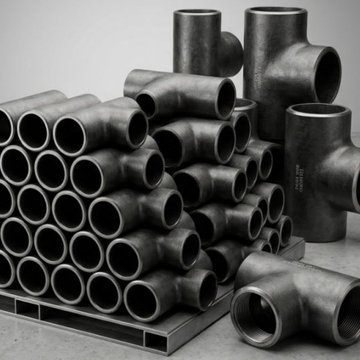
Pipex.ai is a trusted B2B Platform that connects global buyers and sellers, making industrial sourcing efficient without operating as a manufacturer. Businesses looking for dependable piping components often collaborate with a reliable Carbon Steel Tee Pipe Fittings Supplier in UAE to support large-scale infrastructure and energy projects. Many companies also prefer working with a trusted Carbon Steel Tee Pipe Fittings Supplier in Dubai, ensuring consistent availability and smooth supply for critical industrial applications.
Carbon steel tee pipe fittings are widely used for directing flow within pipelines across oil & gas, petrochemical, and construction industries. Companies expanding their global sourcing networks frequently connect with a dependable Carbon Steel Tee Pipe Fittings Supplier in USA to access international supply chains. At the same time, buyers rely on experienced Carbon Steel Tee Pipe Fittings Manufacturers in India and a trusted Carbon Steel Pipe Fittings Supplier in India to secure precision-engineered fittings that meet global quality standards.
As industrial demand continues to grow worldwide, strong export and distribution networks are essential for maintaining reliable supply chains. Businesses looking to expand their market reach often partner with a professional Carbon Steel Tee Pipe Fittings Exporter, ensuring efficient logistics and timely delivery. Meanwhile, domestic sourcing becomes easier through collaboration with a dependable Carbon Steel Tee Pipe Fittings Dealer in India, helping buyers and sellers build long-term partnerships in the global piping industry.
Find the right local pro for your project
 Business_Name_Placeholder
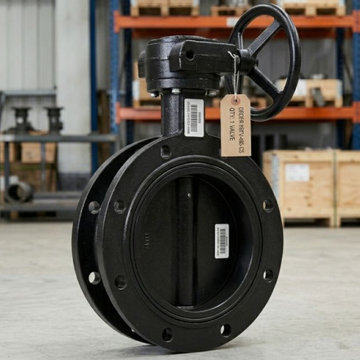
Pipex.ai is a leading B2B vPlatform that connects global buyers and sellers, making industrial sourcing easier without acting as a manufacturer. Businesses looking for durable flow control solutions often work with a dependable Carbon Steel Butterfly Valve Supplier in Saudi Arabia to ensure efficient performance in pipelines across oil & gas, water treatment, and industrial processing sectors. Companies across the Gulf region also rely on a reliable Carbon Steel Butterfly Valve Supplier in Qatar to maintain steady availability for large infrastructure and energy projects.
Carbon steel butterfly valves are widely preferred for their strength, compact design, and ability to regulate flow effectively in high-pressure systems. Many procurement teams collaborate with an experienced Carbon Steel Valve Supplier in Saudi Arabia to access quality valve solutions for demanding industrial operations. At the same time, buyers often connect with a trusted Carbon Steel Butterfly Valve Manufacturer in India and a dependable Carbon Steel Valve Supplier in India to secure precision-engineered products that meet global performance standards.
As industrial demand continues to expand across international markets, strong export networks help ensure consistent supply and reliable logistics. Companies looking to grow their global reach frequently partner with a professional Carbon Steel Butterfly Valve Exporter, enabling smooth trade connections and timely delivery. With strong supplier relationships and digital B2B platforms, buyers and sellers can build long-term partnerships in the global valve industry.
 Gasco Gaskets INC
Gasco INC is a trusted Gasket Manufacturer in India, delivering precision-engineered sealing solutions for a wide range of industrial applications. Our gaskets are designed using high-quality materials to ensure durability, leak-proof performance, and resistance to extreme conditions. We focus on advanced manufacturing techniques and strict quality standards to meet the demands of industries such as petrochemical, oil & gas, and power generation.
We are a reliable Gasket Supplier in India, offering a comprehensive range of products to suit various operational needs. As a recognized Gasket Manufacturer in Ahmedabad, we ensure consistent quality, timely delivery, and competitive pricing. Our sealing solutions are developed to perform efficiently under challenging environments, providing long-lasting performance and minimizing maintenance requirements for industrial systems.
Recognized among leading Graphoil Ring Gaskets Manufacturers In India, we offer high-performance products known for excellent thermal stability and chemical resistance. We are also among top Flexible Graphite Gaskets Manufacturers In India, delivering superior sealing solutions for critical applications. Our commitment to innovation and quality ensures reliability, enhanced safety, and extended service life across demanding industries.
We are also a leading Gasket Supplier in Nigeria.
 Free Lancing
Effective residential construction project management is crucial in today’s fast-moving building industry. It means overseeing every step of building a home, from planning to finishing, to ensure projects are completed time, within budget, and with high quality. Unlike commercial projects, residential projects require special attention to meet homeowners' unique needs and wishes, requiring a customized approach from the beginning to the end.
In 2025, the construction sector will use advanced technologies like AI and integrated project delivery (IPD) to streamline processes and improve stakeholder collaboration. However, project managers face significant challenges, including managing risks, maintaining quality control, and ensuring effective communication among team members.
A WIP Report (Work-in-Progress Report) is a key tool that helps track a project's budget, progress, and resource use. It provides clear insights, making managing costs easier, avoiding delays, and making informed decisions.
By adopting best practices and using modern construction management tools, project managers can overcome these challenges and deliver successful residential construction projects that meet client expectations and contribute to a sustainable future.
This article provides a brief overview of residential construction project management, highlights its importance, and touches on the challenges faced by project managers while incorporating the latest trends and technologies in the field.
Types of Residential Construction Management
Here are the different types of Residential Construction Management:
Single-Family Homes: These are standalone houses built for individual families. Managing these projects involves overseeing construction from planning to completion, ensuring that the home meets the owner's preferences and budget.
Multi-Family Housing: This includes apartments, condominiums, and townhouses. Projects of this type require managing multiple units, often with shared facilities, and ensuring compliance with local building codes.
Custom Home Building: This involves constructing homes tailored to specific client needs. Close collaboration with architects and designers is required to ensure the house reflects the owner's personality and preferences.
Home Renovation and Remodeling: These projects focus on updating or expanding existing homes. They often involve working with subcontractors for specialized tasks like electrical or plumbing work.
Components of Residential Construction Project Management
Managing a residential construction project requires carefully coordinating people, materials, and timelines. A well-structured approach ensures efficiency, cost control, and high-quality results.
Roles and Responsibilities
A project manager plays a vital role in residential construction. They oversee every step from planning to completion and ensure the project stays on schedule, within budget, and meets quality standards.
Project Manager’s Role in Home Construction
The project manager is responsible for organizing tasks, managing resources, and solving problems that arise during construction. They coordinate between different teams, track progress, and ensure safety regulations are followed.
Collaboration with Contractors, Architects, and Stakeholders
Successful residential construction requires teamwork. Project managers work closely with architects to bring designs to new heights, coordinate with contractors to manage labor and materials, and keep stakeholders (such as homeowners and investors) informed about project updates.
Client Communication and Expectations Management
Clear communication with clients is essential. The project manager keeps homeowners updated on timelines, changes, and challenges. Setting realistic expectations and providing regular updates, they help avoid misunderstandings and keep the project running smoothly.
Project Scope & Planning
Practical project planning sets the foundation for a successful residential construction project. It ensures clear goals, minimizes risks, and keeps the project on track.
Defining Project Objectives and Deliverables:
Clearly outlining what needs to be done and what the final result should look like is essential. This involves setting specific, measurable goals that align with the homeowner's vision and budget.
Managing Homeowner Expectations and Scope Creep:
Homeowners often have changing needs or ideas. Effective project managers must manage these expectations to prevent "scope creep," which can delay projects and increase costs. This involves open communication and setting clear boundaries.
Ensuring Compliance with Zoning Laws and Permits:
Before construction begins, it's crucial to ensure that all necessary permits are obtained and that the project complies with local zoning laws. This step avoids costly fines and delays, ensuring the project moves forward smoothly.
Budgeting & Cost Control
Proper budgeting is essential for keeping residential construction projects financially viable. Effective cost management prevents overspending and ensures profitability.
Accurate Cost Estimation for Residential Projects
A precise cost estimate considers labor, materials, permits, and unexpected expenses. Using historical data and Sage 300 CRE for financial management improves accuracy and helps set realistic budgets.
Budget Allocation and Tracking
Allocating funds efficiently ensures that each phase of the project receives the necessary resources. Tracking expenses through Construction & Financial Dashboards allows for real-time monitoring and early detection of budget deviations.
Preventing Budget Overruns
Uncontrolled costs can derail a project. Regular financial reviews, automated alerts for overspending, and contingency planning help keep expenses in check and prevent financial strain.
Scheduling & Timeline Management
Timely project completion is crucial in residential construction. Effective scheduling minimizes delays and ensures a smooth workflow.
Creating Detailed Project Schedules
A structured schedule outlines all tasks, deadlines, and dependencies. Breaking down the project into phases, planning, execution, and finishing, helps maintain order and clarity.
Preventing Delays & Meeting Deadlines
Delays can result from labor shortages, weather conditions, or supply chain issues. To avoid problems, it’s good to check for risks ahead of time, add extra time to schedules, and keep everyone on the same page.
Using Gantt Charts and Critical Path Methods
CPM for Construction helps identify critical activities that directly impact project completion, while Gantt charts provide a visual timeline of tasks. Both tools optimize scheduling and improve efficiency.
Residential Construction Project Management Phases
Managing a residential construction project effectively requires a structured approach through various phases. Each phase plays a critical role in ensuring the project's success, from initial planning to completion.
Pre-Construction Phase
The pre-construction phase sets the foundation for a smooth and efficient building process. Proper planning at this stage helps prevent costly changes and delays later.
Site Analysis & Approvals: A thorough site analysis assesses soil conditions, topography, and environmental factors. Feasibility studies evaluate project viability, including costs and regulatory compliance. Obtaining zoning approvals, permits, and other legal clearances is crucial before breaking ground.
Selecting Materials and Procurement Strategies: Choosing the right materials impacts durability, sustainability, and cost efficiency. A well-planned procurement strategy, including bulk purchasing and reliable supplier partnerships, ensures timely delivery and cost savings. Using Sage 300 CRE for procurement management helps streamline material sourcing and financial planning.
Construction Phase
The construction phase transforms plans into reality. Effective coordination and strict quality control ensure a successful build.
Resource Allocation and Workflow Coordination: Efficiently managing labor, equipment, and materials is key to maintaining progress. Using CPM for Construction, project managers can allocate resources strategically, prevent bottlenecks, and optimize workflows for timely completion.
Project Closeout & Handover
The final phase of residential construction project management is crucial for ensuring a smooth transition from construction to occupancy. Proper closeout procedures guarantee quality, client satisfaction, and long-term project success.
Final Inspections and Quality Assurance: Before finishing the project, a final inspection checks that everything meets safety rules and quality standards. Any problems need to be fixed quickly. Using Procore helps make inspections and tracking issues easier, ensuring a high-quality final product.
Client Walkthrough and Support: A final check helps homeowners see the finished work, ask questions, and make sure it meets their expectations. This is also a chance to explain important home features and maintenance tips. Good communication here builds trust and strengthens relationships.
Warranty Management and Feedback: Efficient warranty management ensures clients get quick help for any issues after construction. A clear process for tracking requests and keeping in touch with homeowners boosts satisfaction. Collecting feedback helps improve future projects. Using S-Curve Forecasting tracks performance trends and refines management strategies.
Software for Residential Construction Project Management
The integration of technology in residential construction project management has revolutionized the way projects are planned, executed, and monitored. Digital tools streamline operations, reduce costs, and improve communication, making them essential for modern construction firms.
Importance of Digital Tools
Investing in digital tools is crucial for construction firms as it transforms the industry by enhancing efficiency, accuracy, and collaboration across the entire project lifecycle. They also improve project management by streamlining processes, automating tasks, and facilitating real-time stakeholder communication.
Top Construction Management Software for Residential Projects
Several software solutions are available for managing residential construction projects:
Procore: Known for its comprehensive project management features, including document management and collaboration tools.
Sage 300 CRE: Offers robust accounting and financial management capabilities, ideal for large-scale construction projects.
Buildertrend: Specializes in residential construction, providing tools for project scheduling, budgeting, and client communication.
CoConstruct: Focuses on custom home building and remodeling, offering features for estimating, scheduling, and project management.
WIP Reports: Useful for tracking work-in-progress and managing project finances effectively.
Features Comparison and Best Use Cases:
Procore: Best for large projects requiring extensive collaboration and document management.
Sage 300 CRE: Ideal for firms needing robust financial management.
Buildertrend: Suitable for residential builders focusing on client communication and project scheduling.
CoConstruct: Perfect for custom home builders who need detailed estimating and scheduling tools.
WIP Reports: Useful for firms needing to track project finances closely.
How Software Improves Project Efficiency
Construction management software significantly enhances project efficiency in several ways:
Automating Accounting and Job Costing: Software like Sage 300 CRE automates financial tasks, reducing manual errors and improving budget tracking.
Streamlining Document Management and Communication: Tools like Procore centralize documents and facilitate real-time communication among team members, reducing misunderstandings and delays.
Mobile-Friendly Solutions for Real-Time Tracking: Mobile apps from platforms like Buildertrend allow for on-site access to project data, enabling real-time tracking and decision-making.
These digital tools and software solutions are essential for modern residential construction project management, offering benefits such as improved efficiency, enhanced collaboration, and better financial control.
Challenges in Residential Construction Project Management
Residential construction projects face a variety of challenges that can impact their success. Here are some of the key issues project managers encounter:
Managing Subcontractors and Labor Shortages
One of the biggest challenges in residential construction is managing subcontractors and dealing with labor shortages. Subcontractors often have their own schedules and priorities, which can lead to delays if not coordinated properly. Additionally, labor shortages can slow down projects and increase costs due to the need for overtime or hiring temporary workers.
Budget Overruns and Unexpected Costs
Budget overruns are common in residential construction due to factors like material price fluctuations, unexpected site conditions, or changes in project scope. Effective budget management involves regularly monitoring expenses and having contingency plans for unexpected costs.
Changing Construction and Eco Rules
Construction and Eco Rules are always changing, so project managers need to keep up with the latest regulations. This involves following guidelines for saving energy, protecting the environment, and ensuring safety. Ignoring these rules can lead to fines, delays, or even stopping the project.
Best Practices
To ensure your residential construction projects run smoothly and successfully, follow these essential best practices:
Setting Clear Project Goals and Milestones
Clearly defining what you want to achieve is the first step to success. Set specific, measurable, achievable, relevant, and time-bound (SMART) goals. This helps everyone involved understand what needs to be done and by when. For example, instead of saying "build a house," say "build a house with three bedrooms and two bathrooms within the next nine months."
Stakeholder Collaboration
Good communication is key to keeping everyone on the same page. Regular meetings with contractors, suppliers, and homeowners help prevent misunderstandings and ensure that everyone knows what's happening and what's next. This open dialogue also helps resolve issues quickly, preventing small problems from becoming big delays.
Using Data-Driven Insights for Decision-Making
Making decisions based on facts rather than guesses is crucial. Use data and analytics to understand project progress, identify potential issues early, and make informed decisions. For instance, if data shows that a particular material is consistently causing delays, you can plan ahead to avoid those delays in the future.
Proactive Risk Management Strategies
Things don't always go as planned, so being prepared is essential. Identify potential risks early and have a plan to manage them. This might include having backup suppliers, planning for weather conditions, or setting aside extra funds for unexpected expenses. Being proactive can prevent small issues from turning into major problems.
Conclusion
Effective residential construction project management requires careful planning, clear communication, and the right digital tools. From single-family homes to multi-family housing and custom projects, managing timelines, budgets, and quality is essential for success.
By following best practices, using project management software, and staying ahead of industry trends, project managers can ensure smooth execution and client satisfaction despite challenges like labor shortages, budget overruns, and regulatory compliance; modern technology and strategic planning help mitigate risks.
Construction firms can improve efficiency, enhance collaboration, and maintain financial control by adopting advanced tools like Procore, Sage 300 CRE, and Buildertrend. A well-managed project delivers a quality home and builds trust and long-term success in the industry.
FAQs
What is residential construction project management?
It involves overseeing all aspects of building residential properties, from initial planning and design to construction and completion, ensuring projects are completed on time, within budget, and to the desired quality standards.
How can I prevent budget overruns in my construction project?
Accurate cost estimation, continuous budget tracking, and having contingency plans for unexpected expenses are key strategies to prevent budget overruns.
What are the main stages of a residential construction project?
The primary stages include design, pre-construction, procurement, and construction.
How does construction management software improve project efficiency?
It streamlines processes like scheduling, budgeting, and communication, providing real-time data access and collaboration among stakeholders, which enhances overall project efficiency.
How can I ensure my project complies with local building codes and regulations?
Engage professionals familiar with local laws, obtain all necessary permits before starting, and conduct regular inspections to ensure adherence to building codes and regulations.
 Business_Name_Placeholder
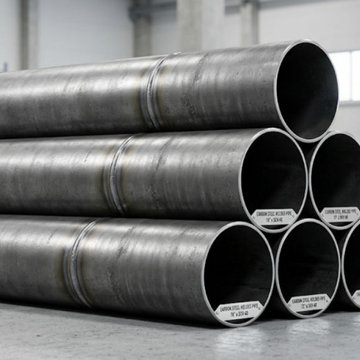
Pipex.ai is a leading B2B Platform that connects buyers and sellers worldwide, simplifying industrial sourcing without functioning as a manufacturer. Companies seeking dependable piping solutions often collaborate with a reliable Carbon Steel Welded Pipes Supplier in Saudi Arabia to support infrastructure, oil & gas, and construction projects. Businesses across the Gulf region also work with a trusted Carbon Steel Welded Pipes Supplier in Qatar, ensuring consistent availability and efficient supply for demanding industrial operations.
Carbon steel welded pipes are widely used because of their strength, durability, and ability to perform in high-pressure environments. Many procurement teams prefer sourcing through an experienced Carbon Steel Pipes and Tubes Supplier in Saudi Arabia to maintain product quality and steady supply chains. At the same time, global buyers connect with a dependable Carbon Steel Welded Pipes Manufacturer in India and a reliable Carbon Steel Pipes and Tubes Supplier in India to access precision-engineered pipes manufactured according to international standards.
As global industrial demand continues to grow, strong export networks play an important role in maintaining smooth trade operations. Businesses seeking international distribution opportunities often collaborate with a professional Carbon Steel Welded Pipes Exporter, enabling efficient logistics and timely delivery. Through reliable B2B connections, buyers and sellers can build long-term partnerships and strengthen their presence in the global steel piping market.
 Business_Name_Placeholder
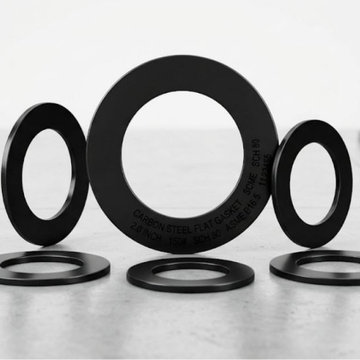
Pipex.ai is a trusted B2B Platform that connects global buyers and sellers, making industrial sourcing seamless without functioning as a manufacturer. Businesses looking for dependable sealing solutions often collaborate with a reliable Carbon Steel Flat Gasket Supplier in UAE to support applications in oil & gas, petrochemical, and industrial systems. Many companies also prefer working with a trusted Carbon Steel Flat Gasket Supplier in Dubai, ensuring consistent availability and smooth procurement for large-scale projects.
Carbon steel flat gaskets are widely used for their durability, pressure resistance, and ability to provide leak-proof sealing in demanding environments. Industries expanding their sourcing networks frequently connect with a dependable Carbon Steel Flat Gasket Supplier in USA to access global supply chains. At the same time, buyers rely on experienced Carbon Steel Flat Gasket Manufacturers in India and a trusted Carbon Steel Gasket Supplier in India to secure precision-engineered products that meet international quality standards.
As global demand continues to grow, strong export and distribution networks are essential for maintaining efficient supply chains. Businesses looking to expand their reach often collaborate with a professional Carbon Steel Flat Gasket Fittings Exporter, ensuring smooth logistics and timely delivery. Meanwhile, domestic sourcing becomes easier by partnering with a dependable Carbon Steel Flat Gasket Fittings Dealer in India, helping buyers and sellers build long-term partnerships in the global gasket industry.
 Calibre Enterprise
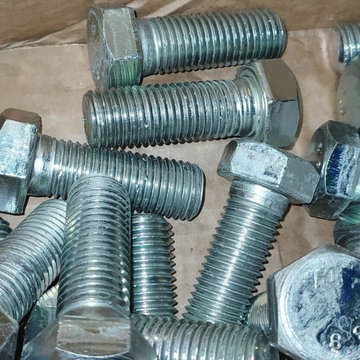
Caliber Enterprise is one of the leading Fasteners Manufacturers in India, offering strong and reliable Fasteners for different industries. We make sure our products are made with good quality materials that last long and work well in tough conditions. Our fasteners are used in areas like construction, machines, and vehicles. With modern technology and strict checks, we make sure every fastener gives the best performance.
As a trusted Fasteners Supplier in India, we supply fasteners in different sizes, materials, and finishes to suit a wide range of applications. We are a well-known Fasteners Manufacturer because of our focus on product accuracy, timely delivery, and customer satisfaction. Whether it’s for large infrastructure projects or small machinery repairs, we make sure our clients get the right fasteners every time. As a reliable Fasteners Supplier, we also provide expert guidance and technical support to help customers choose the best products for their needs.
We offer various fastening products like Nuts, bolts, screws, and washers that are essential in many construction and engineering projects. For better planning, we provide a nut bolt weight chart in kg pdf, which helps engineers and buyers easily calculate the right sizes and weights. As experienced Fasteners manufacturers in Chennai , we are proud to support clients with fasteners that meet both Indian and international quality standards. Our commitment to quality and service makes us a go-to partner in the fasteners industry.
To know more, visit Caliber Enterprise Other Product : screws supplier
To know more, visit Caliber Enterprise Other Product : screws supplier
 safe ZOnea
Every year, the same thing happens. The first real snowfall arrives, demand for de-icing materials spikes overnight, and the businesses that waited too long find themselves scrambling for supply at the worst possible moment. Facility managers, property owners, contractors, and municipalities all depend on a steady supply of salt and ice melt to keep their properties safe and operational through winter. The ones who plan ahead sail through. The ones who don't pay more, wait longer, and take on real risk.
Sourcing de-icing materials well is not complicated, but it does require thinking ahead and understanding the options. The choices you make about what to buy, how to buy it, and who to buy it from have a direct effect on your costs, your reliability, and your ability to keep people safe when conditions turn dangerous. This article lays out what matters.
Why Your Choice of Supplier Matters More Than You Think
It is easy to treat de-icing material as a commodity, something you grab whenever you need it without much thought about where it comes from. That works fine until the moment it doesn't, usually in the middle of a storm when everyone needs supply at once and the casual sources have run dry. At that point, the relationships you built before the season become the difference between staying stocked and being stuck.
Reliable supply is the whole game in winter operations. A property that runs out of ice melt during a storm faces safety hazards, liability exposure, and disruption, none of which can wait for a back-ordered shipment. This is why establishing relationships with dependable rock salt suppliers before the season starts is one of the smartest moves a facility manager or contractor can make. It locks in supply, often locks in better pricing, and removes a major source of mid-winter stress.
The lesson here is to treat sourcing as a planning decision rather than a last-minute errand. The businesses that come through winter smoothly are almost always the ones that secured their supply chain early, chose suppliers who could actually deliver when it counted, and never had to gamble on finding material during a shortage. Reliability bought in advance is far cheaper than scarcity paid for in a crisis.
Bagged or Bulk: Matching the Material to the Job
One of the first practical decisions is whether to buy de-icing material in bags or in bulk, and the right answer depends entirely on the operation. Each format has clear advantages, and many operations end up using both for different purposes.
Bagged material offers convenience, control, and easy storage. It is simple to handle, easy to distribute to different locations or crews, straightforward to store without special equipment, and convenient for spot application by hand. It suits smaller properties, businesses without bulk storage, and situations where portion control and tidiness matter. Bulk material, on the other hand, tends to make sense for large operations that go through high volumes, where buying in quantity lowers the per-unit cost and the operation has the equipment and space to store and handle it. The tradeoff is between the convenience and flexibility of bags and the volume economics of bulk.
For many operations, the right approach is a mix: bulk for the high-volume core of the work and bags for flexibility, spot treatment, and locations where bulk handling is impractical. The key is to match the format to how the material will actually be stored, moved, and applied, rather than defaulting to one or the other out of habit. Thinking this through in advance avoids both the waste of over-buying bulk you can't handle and the expense of relying entirely on bags for a large operation.
Rock Salt Is Not Your Only Option
Rock salt, or sodium chloride, is the workhorse of winter de-icing for good reason. It is effective, widely available, and cost-efficient, which makes it the default choice for most operations most of the time. But it has limits, and understanding the alternatives helps you choose the right material for the conditions you actually face.
The most important limitation is temperature. Rock salt becomes less effective as temperatures drop, and in genuinely cold conditions it can struggle to do the job at all. This is where alternatives come in. Calcium chloride, for instance, works at much lower temperatures than rock salt and acts quickly, which makes it valuable when conditions are severe or when fast melting matters. Operations that face hard freezes or need dependable performance in extreme cold often keep calcium chloride for sale on hand for exactly those situations, using it alongside rock salt rather than instead of it.
The practical approach is to understand the conditions your property faces and stock accordingly. For many operations, rock salt handles the bulk of the work while a faster, colder-rated material like calcium chloride covers the extreme days when ordinary salt falls short. Matching the material to the temperature and the urgency of the situation is what separates an operation that stays ahead of winter from one that is constantly reacting to it.
Securing Your Supply Before the Season
Knowing what to buy is only half the equation. The other half is making sure you can actually get it when you need it, which means securing your supply before winter arrives rather than after it has already started. Timing is one of the most underrated factors in winter operations.
The logic is simple. Demand for de-icing materials is highly seasonal and spikes sharply during storms, when everyone needs supply simultaneously. Prices and availability both move against the buyer at exactly those moments. By contrast, planning ahead, estimating your needs and arranging supply before the season, puts you in a far stronger position. Working with established rock salt suppliers ahead of time means your material is accounted for before the rush, often at better pricing and with the confidence that it will be there when the first storm hits.
This kind of planning also lets you think clearly rather than react under pressure. You can estimate your seasonal needs based on your property and past winters, decide on the right mix of materials and formats, and arrange storage in advance. Operations that do this consistently spend less, worry less, and never find themselves making frantic calls during a storm. The effort of planning ahead is modest, and the payoff in reliability and cost savings is substantial.
Storing and Handling What You Buy
Securing supply is not much use if the material degrades before you can use it, which makes proper storage and handling an important and often overlooked part of the equation. De-icing materials are sensitive to moisture, and poor storage can turn a good supply into a clumped, hardened mess that is difficult to apply.
The fundamentals are straightforward. Keep material dry and protected from moisture, since salt and ice melt readily absorb water and can harden if exposed. Store it in a way that suits the format, whether that means a proper bulk storage area or a dry space for stacked bags. Keep it accessible, so crews can get to it quickly when a storm hits and time is short. And handle it with the right equipment for the format and volume, which protects both the material and the people working with it. None of this is complicated, but neglecting it can undermine even a well-planned supply.
Good storage practices protect the investment you made in securing supply early. There is little point in arranging your materials ahead of the season only to have them degrade before use. Treating storage and handling as part of the overall plan, rather than an afterthought, ensures that the material you secured is actually usable when the moment comes. It is the final link in a supply chain built to perform under winter conditions.
Estimating How Much You Actually Need
One question trips up operations of every size: how much de-icing material to buy. Order too little and you risk running short during a storm. Order too much and you tie up money and storage space in material you may not use. Getting the estimate reasonably right is a meaningful part of sourcing well.
Several factors shape the answer. The size and type of the areas you treat, sidewalks, lots, entrances, and drive lanes, set the baseline for how much material each application consumes. The local climate matters too, since colder regions and those with frequent snowfall go through far more material than milder ones. Application frequency depends on how often storms hit and how quickly surfaces need to be cleared, which varies with the kind of property and the expectations of the people who use it. And the type of material plays a role, since different products are applied at different rates.
Past experience is often the best guide. Operations that track what they used in previous winters, adjusted for the size of the property and the severity of the season, can estimate their needs with reasonable confidence. For newer operations without that history, it helps to plan conservatively and to work with a supplier who can replenish stock reliably, so that a low estimate does not turn into a mid-storm shortage.
The goal is not perfect precision but a sound, slightly cautious estimate paired with a dependable supply relationship. That combination lets an operation keep enough material on hand to handle the season without over-committing to volume it cannot store or use. Thinking this through before winter, rather than guessing during it, is one more way that planning ahead pays off when the snow starts to fall.
The Bottom Line
Sourcing de-icing materials well comes down to a few straightforward principles: plan ahead, choose reliable suppliers before the season, match your materials and formats to your actual needs and conditions, and store what you buy properly. The operations that follow these principles move through winter with confidence, while those that improvise pay more and take on needless risk.
Winter is predictable in one respect: it arrives every year, and demand for de-icing material spikes the moment it does. The businesses that prepare for that reality, rather than being surprised by it, are the ones that keep their properties safe, their costs controlled, and their operations running no matter what the season throws at them. A little foresight before the first snowfall pays off through every storm that follows.

 Piping Project
The Piping Project is a prominent source of the Steel Plate Weight Chart in kg, mm, PDF. We are pleased to provide our esteemed clientele with a comprehensive Steel Plate Weight Chart, detailing the weight in kilograms per meter (kg/m) for various sizes and wall thicknesses.
We are one of the Leading Steel Plate Manufacturer in Europe. We are one of the top suppliers and dealers of various sorts of construction materials, such as fasteners, steel pipes, boiler tubes, and round bars.We are Europe's most dependable and reliable suppliers and merchants.
It is imperative to acknowledge that the weights presented are merely estimations and may vary depending on the specific steel type and manufacturing methods employed.To know more About Steel and it various Product visit us at steel pipe weight chart pdf, fasteners weight chart, and Flange Weight Chart.
We are one of the top suppliers and dealers of all types of building products, as well as one of Europe's most reputable and legitimate suppliers and dealers. Visit our website to buy steel pipe since we are a prominent steel pipe manufacturer in Europe.
Website:- pipingprojects.eu
Also Visit:- Fasteners Manufacturer in Europe
 Rebolt Alloys
Identify professional suppliers of SS fasteners in the UAE that offer high-quality stainless steel bolts, nuts, screws, and customized fastening solutions for construction, marine, oil and gas, and industrial purposes. Reliable suppliers are durable, corrosion-resistant, and conform to international standards, offering reliable products for extreme projects across the UAE market.
Contact Us:
+91 22 6636 2225
Email: sales@reboltfasteners.com
Product source: SS Fasteners Suppliers in UAE
 neelam
Leading stainless steel flanges suppliers in the UAE play a critical role in supporting industries such as oil & gas, petrochemicals, construction, and marine engineering. They provide high-quality SS flanges designed for strength, corrosion resistance, and long-term performance under demanding conditions. With strict adherence to international standards, reliable suppliers ensure precision manufacturing, timely delivery, and a wide range of flange types to meet diverse project requirements. Choosing the right supplier helps businesses maintain efficiency, safety, and durability in their operations.
Contact :+91 9920110783
Mail : neelamforgeindia1@gmail.com
Mail : neelamforgeindia1@gmail.com

 China buying agent-building materials & furniture
We are China buying agent for building materials and furniture, Sourcing Agent, providing One-Stop Service for Furniture and Building Materials from China.
*Website:www.chinabuyingagent.net , contact Ms Ella +0086 15002034810.
We are cooperating with different Building Materials and furniture factories according to different clients' needs.
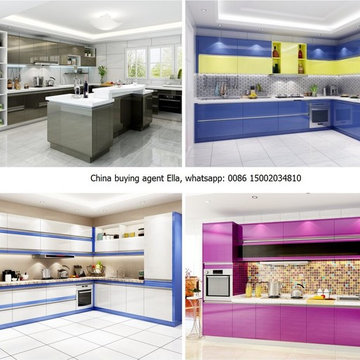
We can supply all the design of KITCHEN CABINETS on the catalogs, and for sure customized designs and sizes/thickness are acceptable depends on quantity.
We have been working with Builders,Architects & Building Designers for projects of Hotels, villas, and residential buildings, restaurants and many others. Our reliable suppliers and factories are ready to supply different products at the most competitive cost according to your sizes and designs as per the projects needs.
We offer one stop services on: (1) Sourcing (2) Factory visit (3) Negotiation(4) Quality control(5) Shipping.
By sending us your projects layout and designs in CAD or PDF with required materials details,we could quote you cost accordingly.
WE ARE YOUR LOCAL EYES TO SEE CHINA!
WE ARE YOUR LOCAL MOUTH TO TALK WITH CHINA!
WE ARE YOUR LOCAL HANDS TO GAIN PROFIT FROM CHINA!
Tks&Regards,
Ella Lau
Partner/Project Manager
Tel: 0086 15002034810
Website: www.chinabuyingagent.net
E-mail: chinabuyingagent007@gmail.com
 China buying agent-building materials & furniture
We are China buying agent for building materials and furniture, Sourcing Agent, providing One-Stop Service for Furniture and Building Materials from China.
*Website:www.chinabuyingagent.net , contact Ms Ella +0086 15002034810.
We are cooperating with different Building Materials and furniture factories according to different clients' needs.
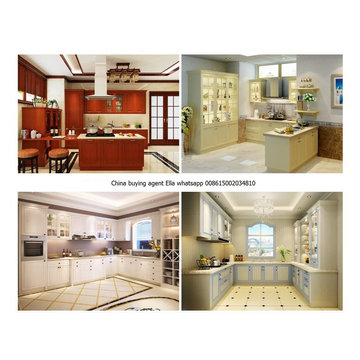
We can supply all the design of KITCHEN CABINETS on the catalogs, and for sure customized designs and sizes/thickness are acceptable depends on quantity.
We have been working with Builders,Architects & Building Designers for projects of Hotels, villas, and residential buildings, restaurants and many others. Our reliable suppliers and factories are ready to supply different products at the most competitive cost according to your sizes and designs as per the projects needs.
We offer one stop services on: (1) Sourcing (2) Factory visit (3) Negotiation(4) Quality control(5) Shipping.
By sending us your projects layout and designs in CAD or PDF with required materials details,we could quote you cost accordingly.
WE ARE YOUR LOCAL EYES TO SEE CHINA!
WE ARE YOUR LOCAL MOUTH TO TALK WITH CHINA!
WE ARE YOUR LOCAL HANDS TO GAIN PROFIT FROM CHINA!
Tks&Regards,
Ella Lau
Partner/Project Manager
Tel: 0086 15002034810
Website: www.chinabuyingagent.net
E-mail: chinabuyingagent007@gmail.com
 China buying agent-building materials & furniture
We are China buying agent for building materials and furniture, Sourcing Agent, providing One-Stop Service for Furniture and Building Materials from China.
*Website:www.chinabuyingagent.net , contact Ms Ella +0086 15002034810.
We are cooperating with different Building Materials and furniture factories according to different clients' needs.
We can supply all the design of KITCHEN CABINETS on the catalogs, and for sure customized designs and sizes/thickness are acceptable depends on quantity.
We have been working with Builders,Architects & Building Designers for projects of Hotels, villas, and residential buildings, restaurants and many others. Our reliable suppliers and factories are ready to supply different products at the most competitive cost according to your sizes and designs as per the projects needs.
We offer one stop services on: (1) Sourcing (2) Factory visit (3) Negotiation(4) Quality control(5) Shipping.
By sending us your projects layout and designs in CAD or PDF with required materials details,we could quote you cost accordingly.
WE ARE YOUR LOCAL EYES TO SEE CHINA!
WE ARE YOUR LOCAL MOUTH TO TALK WITH CHINA!
WE ARE YOUR LOCAL HANDS TO GAIN PROFIT FROM CHINA!
Tks&Regards,
Ella Lau
Partner/Project Manager
Tel: 0086 15002034810
Website: www.chinabuyingagent.net
E-mail: chinabuyingagent007@gmail.com
 China buying agent-building materials & furniture
We are China buying agent for building materials and furniture, Sourcing Agent, providing One-Stop Service for Furniture and Building Materials from China.
*Website:www.chinabuyingagent.net , contact Ms Ella +0086 15002034810.
We are cooperating with different Building Materials and furniture factories according to different clients' needs.
We can supply all the design of KITCHEN CABINETS on the catalogs, and for sure customized designs and sizes/thickness are acceptable depends on quantity.
We have been working with Builders,Architects & Building Designers for projects of Hotels, villas, and residential buildings, restaurants and many others. Our reliable suppliers and factories are ready to supply different products at the most competitive cost according to your sizes and designs as per the projects needs.
We offer one stop services on: (1) Sourcing (2) Factory visit (3) Negotiation(4) Quality control(5) Shipping.
By sending us your projects layout and designs in CAD or PDF with required materials details,we could quote you cost accordingly.
WE ARE YOUR LOCAL EYES TO SEE CHINA!
WE ARE YOUR LOCAL MOUTH TO TALK WITH CHINA!
WE ARE YOUR LOCAL HANDS TO GAIN PROFIT FROM CHINA!
Tks&Regards,
Ella Lau
Partner/Project Manager
Tel: 0086 15002034810
Website: www.chinabuyingagent.net
E-mail: chinabuyingagent007@gmail.com
 China buying agent-building materials & furniture
We are China buying agent for building materials and furniture, Sourcing Agent, providing One-Stop Service for Furniture and Building Materials from China.
*Website:www.chinabuyingagent.net , contact Ms Ella +0086 15002034810.
We are cooperating with different Building Materials and furniture factories according to different clients' needs.
We can supply all the design of KITCHEN CABINETS on the catalogs, and for sure customized designs and sizes/thickness are acceptable depends on quantity.
We have been working with Builders,Architects & Building Designers for projects of Hotels, villas, and residential buildings, restaurants and many others. Our reliable suppliers and factories are ready to supply different products at the most competitive cost according to your sizes and designs as per the projects needs.
We offer one stop services on: (1) Sourcing (2) Factory visit (3) Negotiation(4) Quality control(5) Shipping.
By sending us your projects layout and designs in CAD or PDF with required materials details,we could quote you cost accordingly.
WE ARE YOUR LOCAL EYES TO SEE CHINA!
WE ARE YOUR LOCAL MOUTH TO TALK WITH CHINA!
WE ARE YOUR LOCAL HANDS TO GAIN PROFIT FROM CHINA!
Tks&Regards,
Ella Lau
Partner/Project Manager
Tel: 0086 15002034810
Website: www.chinabuyingagent.net
E-mail: chinabuyingagent007@gmail.com
 HU-762543144
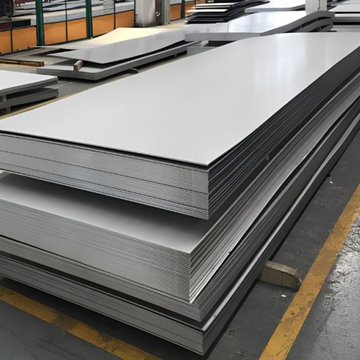
Stainless steel Plate is widely used across construction, engineering, automotive, chemical, petrochemical, and fabrication industries where strength and corrosion resistance are essential. Available in multiple grades, thicknesses, and dimensions, selecting the appropriate stainless steel plate Size helps meet specific application requirements. Its durability, versatility, and dependable performance make it suitable for demanding industrial environments. R.H. Alloys focuses on supplying quality stainless steel products for diverse industrial applications.
Understanding stainless steel plate weight is important for transportation, handling, fabrication planning, and accurate project calculations. The weight depends on factors such as thickness, width, length, and material grade, making precise specifications essential during procurement. With consistent quality and reliable product specifications, stainless steel plates can support efficient manufacturing and fabrication processes. Customers can rely on R.H. Alloys for suitable material solutions based on their requirements.
For businesses seeking a dependable Stainless steel plate supplier, choosing an experienced company ensures access to suitable grades, dimensions, and quality standards. As a stainless steel plate supplier in India, we serve industrial customers with reliable stainless steel solutions. Its capabilities as a Stainless steel coil, sheet & plates manufacturer further support varied product requirements across industries.

 Metaldur
Choosing the right cutting tool is essential for achieving accurate milling results and improving production efficiency. Carbide End Mills Supplier Metaldur offers a wide selection of milling tools suitable for precision machining in various industrial applications. Our products are designed to deliver reliable performance for machine shops, engineering companies, and production units.
Businesses looking for a trusted Carbide End Mills Supplier in India can rely on Metaldur for quality tooling solutions and dependable nationwide supply. Our product range supports operations such as slot milling, profiling, contouring, and finishing on different metal materials while helping maintain consistent machining accuracy.
As one of the reliable Carbide End Mills Suppliers in India, Metaldur supplies tools in multiple sizes and specifications to meet diverse machining requirements. Whether you need standard milling cutters or specific tooling solutions, our Carbide End Mills are available for bulk orders at competitive prices with prompt delivery across India.
Other Products: Indexable Milling Tools Supplier in India
1