
Finish a Basement Cost Calculator
National Average$20,216 - $22,344
How much does it cost to finish a basement? The national average to finish a basement ranges from $20,216 - $22,344. The total cost of the project depends on the size of your basement, materials, and complexity of the labor. Use this calculator to estimate the cost to finish your basement on the information you input.
Estimate your project cost
Cost to Finish a Basement
What factors affect the cost of finishing a basement?
The cost to finish your basement depends on the following variables:
Basement Size:
The size of your basement is one of the biggest determinants of your total project cost, as basement-finishing projects are quoted based on square footage. Typically the bigger the basement, the more expensive the project will be. However, the quality of materials you choose can also significantly impact the price of your project. Additionally, if you decide to divide your basement space into separate rooms by adding walls, that will increase the cost of your project.
Basement Type:
Basements fall into one of three categories: unfinished, partially finished, and finished. Of course, the type of basement you have will affect your project cost because it will influence the scope of the project. For example, if your basement is unfinished, you’ll need to add drywall, insulation, and most likely electrical, whereas a partially finished or finished basement may already have these elements.
Flooring Material:
Material costs for flooring can vary greatly depending on the type of flooring you choose. While many homeowners opt for carpet in their basements for warmth, others prefer water-resistant flooring like vinyl, tile, or engineered hardwood. If a contractor is installing your flooring, they’ll most likely need to install a subfloor first, which will increase your installation costs.
Labor:
Depending on the scope of your project, your labor expenses can make up between 25-30% of your total project cost. Of course, labor costs can vary greatly depending on how extensive your project is. If you’re adding a bathroom or a wet bar, for example, you’ll need to factor in costs for plumbing, additional framing and electrical work. To see how different aspects of your project scope impact your overall project cost, refer to the calculator above and update your information.
Location:
As with any home improvement project, local labor rates and fluctuating material prices can impact the cost to finish your basement. Expect to pay more in metropolitan areas and places with higher costs of living.
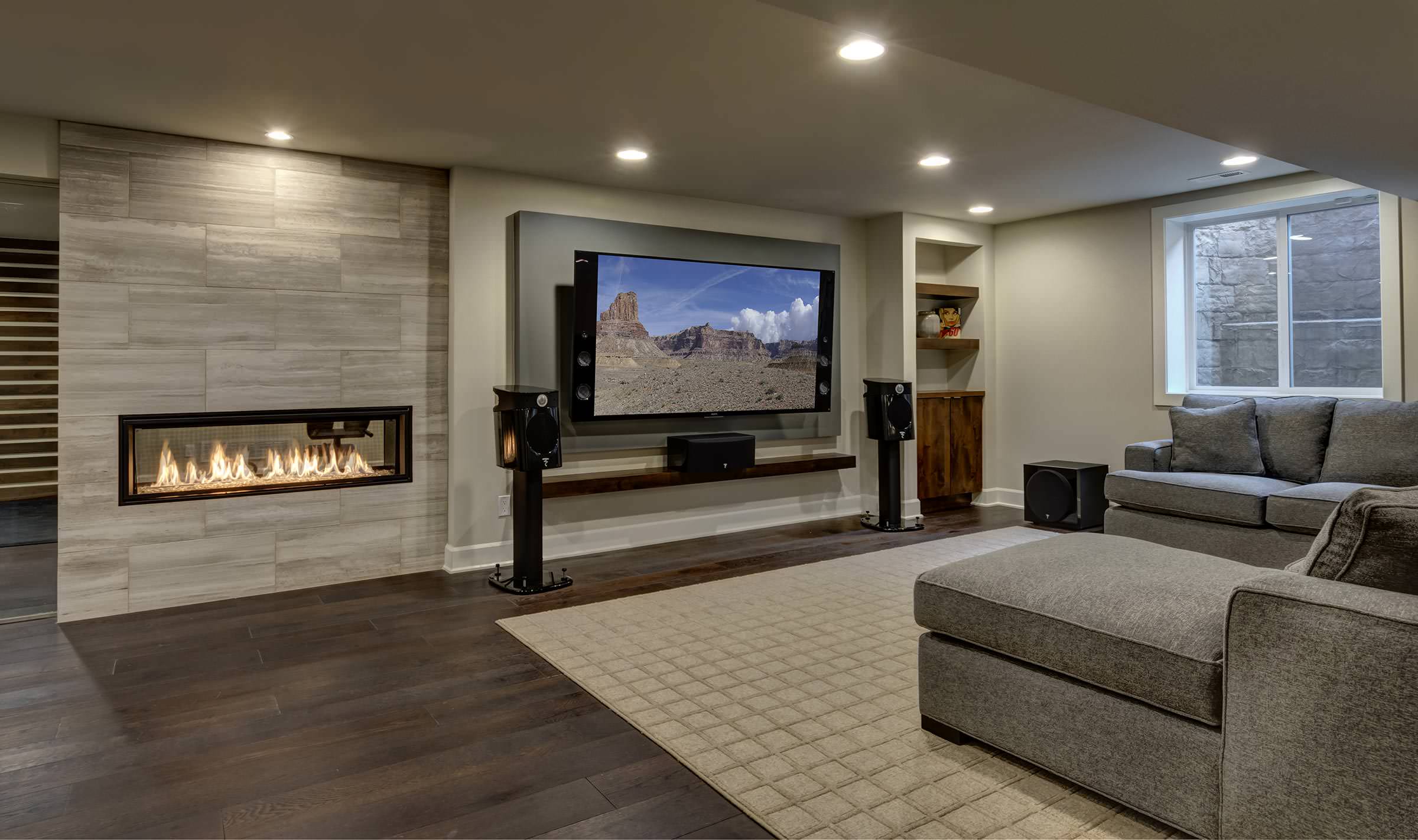
Project Scope Considerations
If you’re planning to finish your basement, there are a number of necessary features you’ll need if you want it to be a usable living space. Below are some of the must-have elements when finishing a basement:
Back to Calculator
Waterproofing:
If you don’t already have a waterproof basement, it’s one of the most critical components when finishing a basement. Waterproofing prevents water from getting into moisture-prone basement walls and will prevent your basement from flooding. While you’ll need to factor in costs for preventative measures like protecting against mold formation, you’ll also need to factor in costs to repair any existing water leakage issues, which may mean installing a drainage system or sump pump. If you have more extensive water issues that require excavation work, it can significantly impact your waterproofing costs.
Drywall Installation:
Installing drywall is another necessary step when finishing a basement. By adding drywall, homeowners reduce their energy costs when heating or cooling their home. While the cost for basic drywall ceilings and wall panels are relatively cheap, costs will increase once you determine ceiling and wall finishes.
Electrical Work:
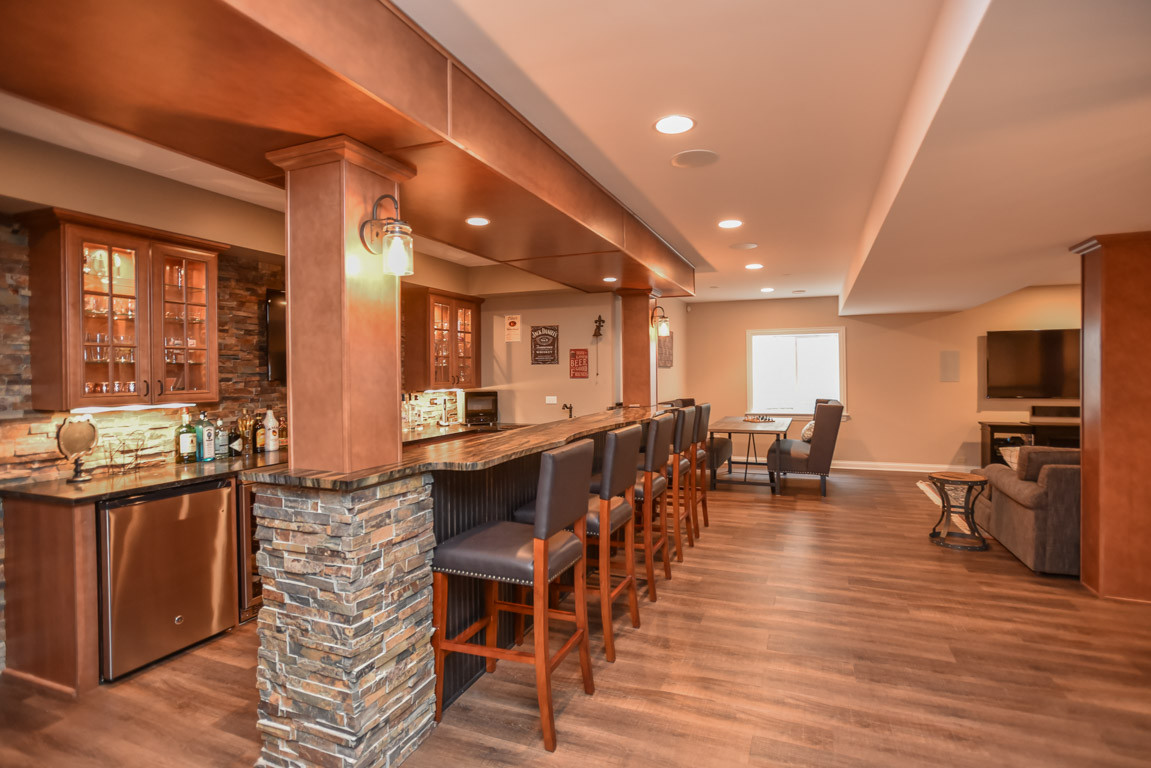
Electrical inspection, rewiring or upgrades like adding outlets or fixtures can cost anywhere from around a few hundred dollars to a few thousand dollars or more.
Plumbing:
SPlumbing work can include rerouting pipes and drainage for a new bathroom, wet bar or laundry room or moving existing pipes. If you’re planning to add a bathroom or need to replace an old piping system, expect your plumbing costs to be significantly higher than if you have more basic plumbing needs, such as adding a sewage pump.
HVAC:
To ensure your basement is a suitable living space, you’ll need to have it set up with adequate heating and cooling. In some cases, your existing HVAC system may be powerful enough to heat and cool your basement. However, it may not be able to accommodate the extra square footage. If that’s the case, you’ll need to invest in a new HVAC system and pay for new ductwork.
Permits:
Every community is different, but a permit may be required if you’re planning new construction, a major remodel or an addition, or taking on structural, plumbing or electrical work in your basement. Permits are intended to make sure any construction is up to public health and safety codes and local quality standards. Failing to obtain them can mean fines, having to restart a project entirely or losing real estate property value.
Additional Cost Considerations
Beyond the necessary components required to finish a basement, many homeowners may want to add additional features, such as a guest suite, bathroom or wet bar. Below are some of the most common elements homeowners include when refinishing a basement.
Back to Calculator
Bathroom:
The cost of adding a standard basement bathroom can vary significantly depending on your existing setup, bathroom size and desired amenities. Moving existing pipes to the right place can be costly, so building a bathroom under an existing bathroom can save money. It’s also typically less expensive during basement remodeling to add features like bathrooms and other amenities while walls are still open during the initial finishing process, so no demo work will be required.
Guest Suite:
Creating a functional bedroom in your finished basement typically requires adding at least an egress window and a closet, though including a bathroom or kitchenette is also common. The cost of a basement guest suite can vary widely depending on variables such as size, materials used and features included.
Specialty Spaces:
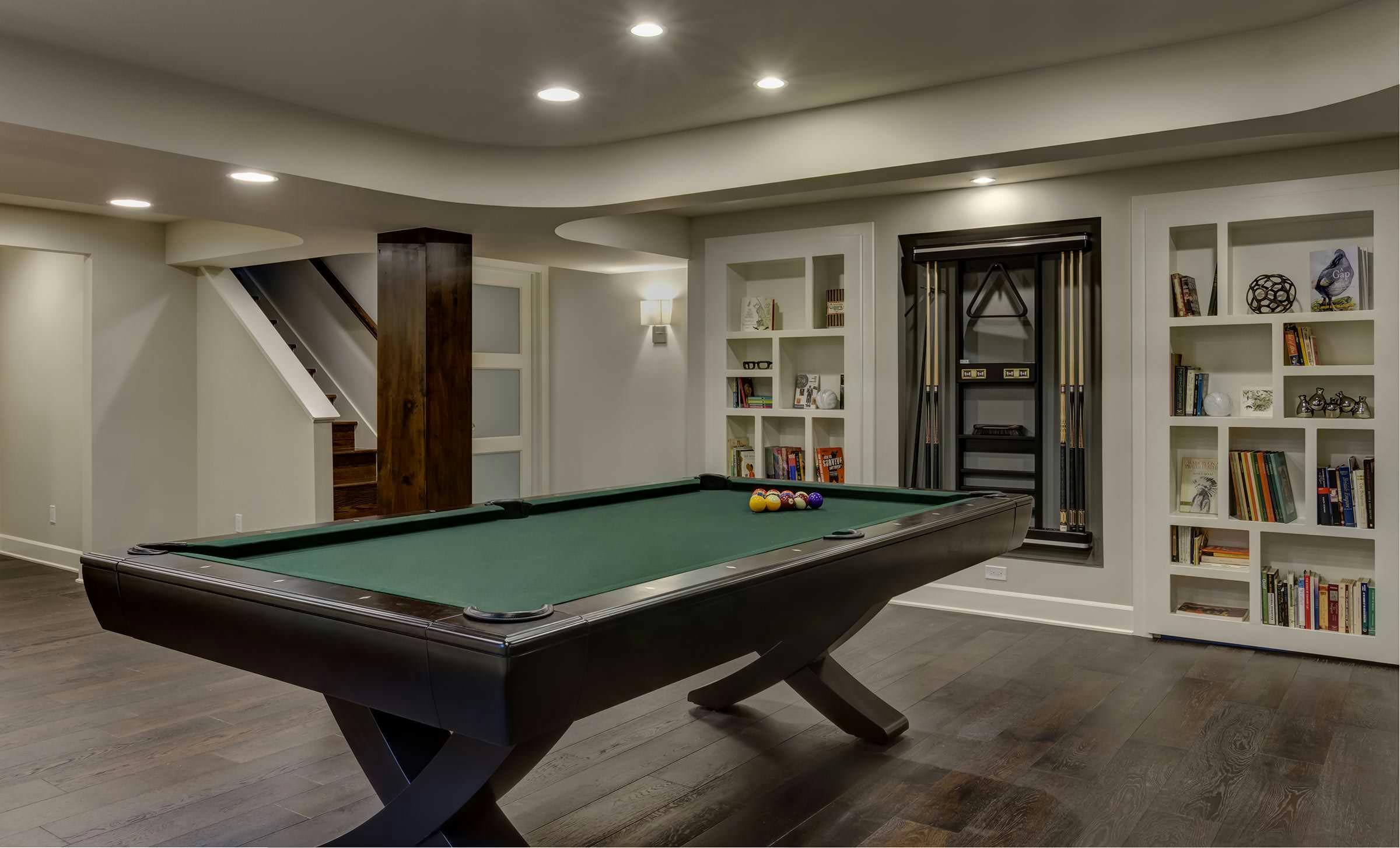
Many homeowners want to create specialty spaces in their basement, such as a bar, movie theater, home gym or wine cellar. Of course, the cost for these spaces will depend on a number of factors including the complexity of the project, quality of materials and local labor and construction costs. First determine the features you’d like to include and get quotes from multiple contractors so you can establish a realistic budget.
Other Basement Finishing Cost Considerations
Beyond the main variables that factor into your basement finishing estimate, keep these additional cost considerations in mind:
Home Valuation:
On average, homeowners can expect between a 70 - 75% return on their investment when finishing a basement.
Sustainability Savings:
While eco-friendly building materials may cost more up front, they can help your energy costs down. From energy-efficient lighting to sustainable flooring options, eco-friendly efforts will benefit your bank account — and the environment.
Timeless Design:
As you're considering plans to finish your basement, don’t forget that timeless design decisions can have money-saving benefits. While you may be inclined to embrace current trends, keep in mind that timeless design choices can be more cost-effective in the long run because their classic good looks won’t go out of style.
Looking for a Basement Remodeler?
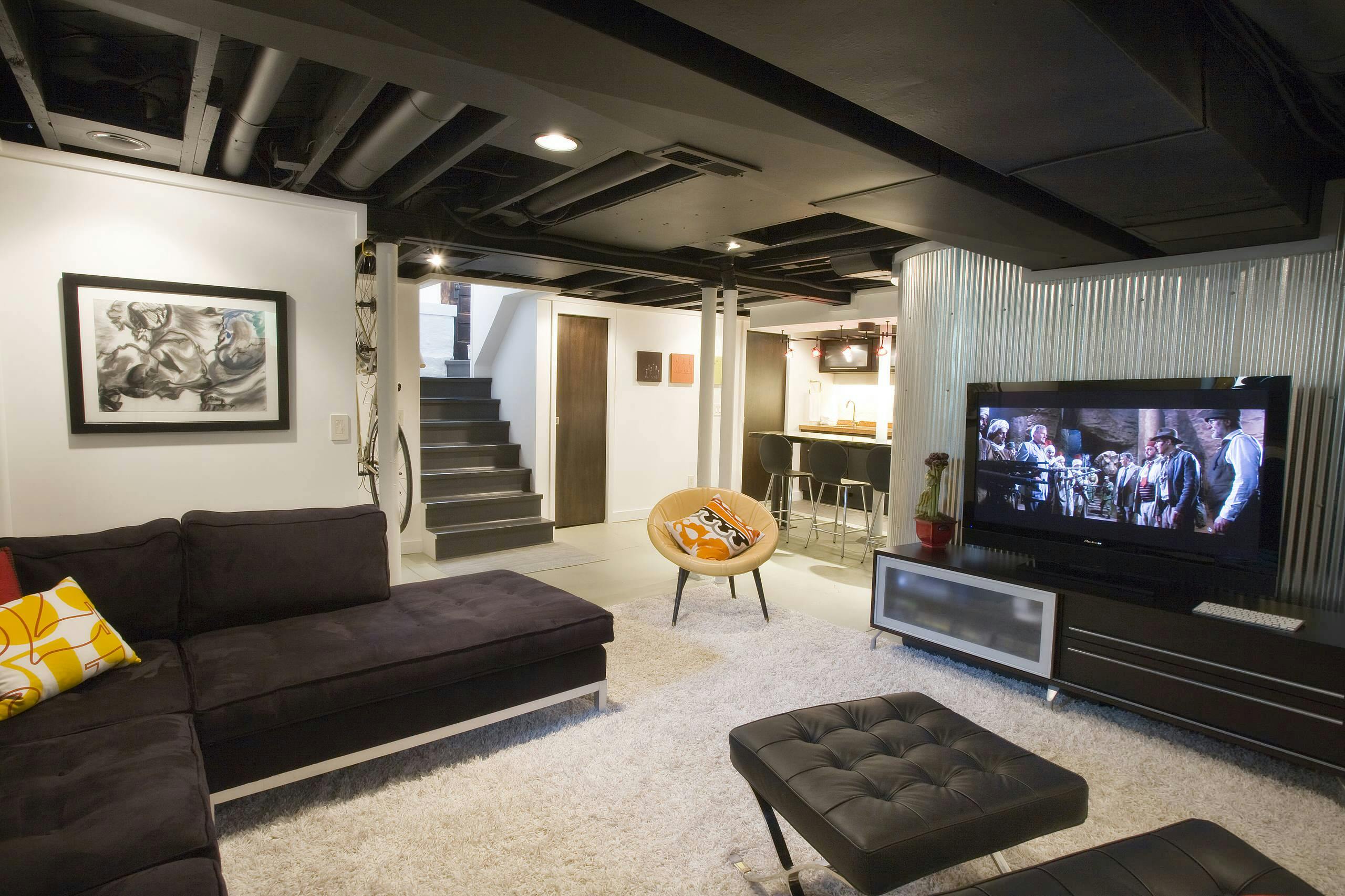
By knowing the factors that impact the cost to finish your basement, you can set a realistic budget. However, it’s also useful to call more than one professional in your area to get multiple quotes for basement finishing costs in your ZIP code. Looking for a local contractor to finish your basement? Find one near you.
Before you initiate your basement finishing project, perhaps you’d like to start with electrical work or plumbing. Search here to find local electricians. To get quotes from plumbers in your area, start here.