

after the fridge
19 years ago
Sort by:Oldest
Comments (4)
Related Stories
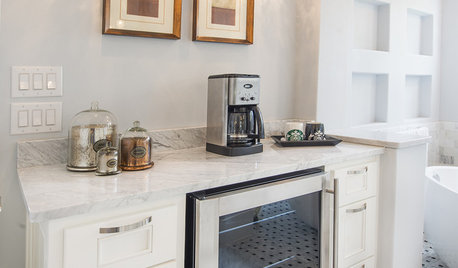
BATHROOM DESIGNUpload of the Day: A Mini Fridge in the Master Bathroom? Yes, Please!
Talk about convenience. Better yet, get it yourself after being inspired by this Texas bath
Full Story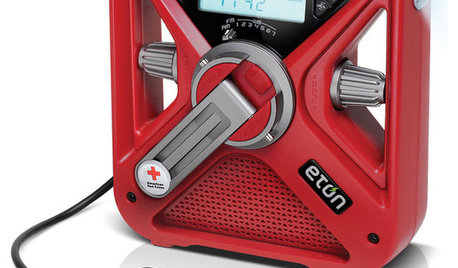
HOME TECH7 Ways to Charge Up and Connect After Disaster
Products and tips for communicating and keeping essential items running till the power's back on
Full Story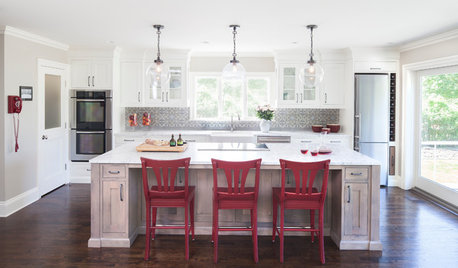
KITCHEN OF THE WEEKKitchen of the Week: The Calm After the Storm
Ravaged by Hurricane Sandy, a suburban New York kitchen is reborn as a light-filled space with a serene, soothing palette
Full Story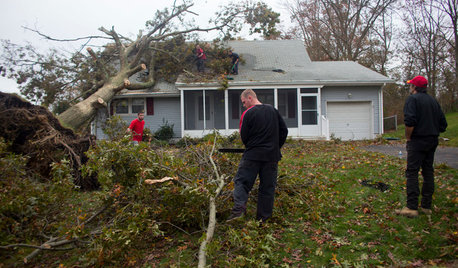
MOST POPULARWhat to Do After a Hurricane or Flood
How you treat your home after a natural disaster can make all the difference in its future livability — and your own personal safety
Full Story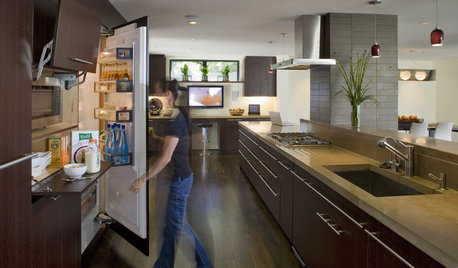
HOUSEKEEPINGHow to Clean Your Fridge, Inside and Out
Keep your refrigerator clean and fresh, while you gain storage space and lose those ‘UFOs’
Full Story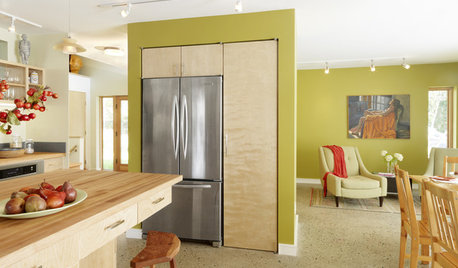
REMODELING GUIDESGet the Look of a Built-in Fridge for Less
So you want a flush refrigerator but aren’t flush with funds. We’ve got just the workaround for you
Full Story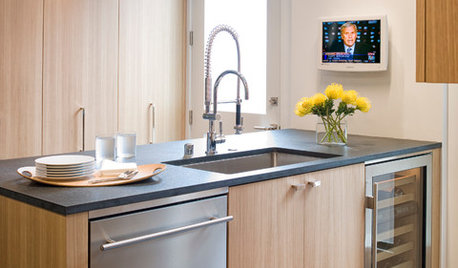
KITCHEN DESIGNFine Thing: A Wine Fridge Right Where You Want It
Chill your collection: No wine cellar or tasting room required
Full Story
FEEL-GOOD HOME21 Ways to Waste Less at Home
Whether it's herbs rotting in the fridge or clothes that never get worn, most of us waste too much. Here are ways to make a change
Full Story
KITCHEN DESIGNStay Cool About Picking the Right Refrigerator
If all the options for refrigeration leave you hot under the collar, this guide to choosing a fridge and freezer will help you chill out
Full Story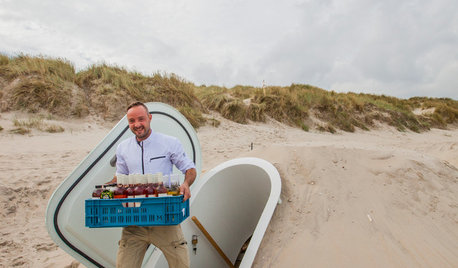
GREEN BUILDINGThe Big Freeze: Inventors Break New Ground to Keep Things Cool
Old-fashioned fridges can be energy guzzlers, but there are more eco-friendly ways of keeping food fresh, as these global innovations show
Full Story
Sponsored
Nell Jean
patwood
Related Professionals
Tyler Landscape Architects & Landscape Designers · Stamford Landscape Architects & Landscape Designers · Los Angeles Landscape Architects & Landscape Designers · Missoula Landscape Architects & Landscape Designers · Myrtle Beach Landscape Contractors · Georgetown Landscape Contractors · San Antonio Landscape Contractors · Lafayette Landscape Contractors · Trenton Landscape Contractors · Starkville Architects & Building Designers · Beaumont Architects & Building Designers · Bemidji Architects & Building Designers · Salinas Architects & Building Designers · Reno Architects & Building Designers · Twin Falls Architects & Building Designerspatwood
vetivert8Original Author