

Screening Evergreen for under Bradfords
19 years ago
Sort by:Oldest
Comments (4)
Related Stories

GARDENING GUIDESGreat Design Plant: Curl-Leaf Mountain Mahogany, an Easy Evergreen
Use it as an accent plant or mass it as a screen; this pine and spruce alternative is a hard worker in dry, cold climates
Full Story
GARDENING AND LANDSCAPINGThat Gap Under the Deck: Hide It or Use It!
6 ways to transform a landscape eyesore into a landscape feature
Full Story
GARDENING GUIDESGreat Garden Combo: 3 Wonderful Plants for a Deer-Resistant Screen
Protect your privacy and keep deer at bay with a planting trio that turns a problem garden area into a highlight
Full Story
GARDENING AND LANDSCAPINGGrow a Lush Privacy Screen
No need to wait forever for patio privacy the green way. These 10 ideas will get your screening up and running in no time
Full Story
GARDENING GUIDESGrow Your Own Privacy: How to Screen With Plants and Trees
Use living walls to lower your home and garden's exposure while boosting natural beauty in your landscape
Full Story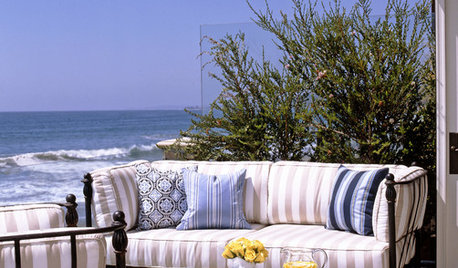
GARDENING AND LANDSCAPINGHow to Screen a Seaside Garden From the Wind
Lucky enough to live by the coast? Here’s how to protect your garden and deck from the harsh sea breezes
Full Story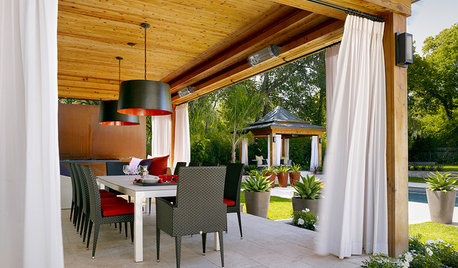
PATIOSGet Backyard Privacy the Subtler, Stylish Way
Why settle for a hulking brick wall when plants, screens and other refined backyard dividers do the job with panache?
Full Story
LANDSCAPE DESIGNThe 7 Best Plant Types for Creating Privacy and How to Use Them
Follow these tips for using different kinds of plants as living privacy screens
Full Story
MONTHLY HOME CHECKLISTSTo-Dos: Your March Home Checklist
Get ready for sunnier days, whether you have an hour or a weekend to spare
Full Story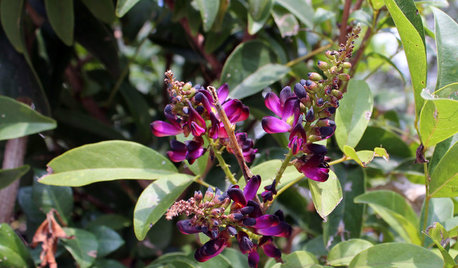
GARDENING GUIDESGreat Design Plant: Millettia Reticulata
Large purple flower clusters grace this robust climbing vine
Full Story
Brent_In_NoVA
jdb26Original Author
Related Professionals
Fort Worth Landscape Architects & Landscape Designers · Binghamton Landscape Architects & Landscape Designers · Honolulu Landscape Architects & Landscape Designers · Kissimmee Landscape Contractors · Greensboro Landscape Contractors · Canton Landscape Contractors · Saint George Landscape Contractors · Tampa Decks, Patios & Outdoor Enclosures · Louisville Decks, Patios & Outdoor Enclosures · Aberdeen Decks, Patios & Outdoor Enclosures · Charleston Decks, Patios & Outdoor Enclosures · Georgetown Decks, Patios & Outdoor Enclosures · Lynchburg Decks, Patios & Outdoor Enclosures · Pueblo Decks, Patios & Outdoor Enclosures · Cheyenne Decks, Patios & Outdoor Enclosuresmad_gallica (z5 Eastern NY)
gardengal48 (PNW Z8/9)