

Is a base really necessary
17 years ago
Sort by:Oldest
Comments (3)
Related Stories
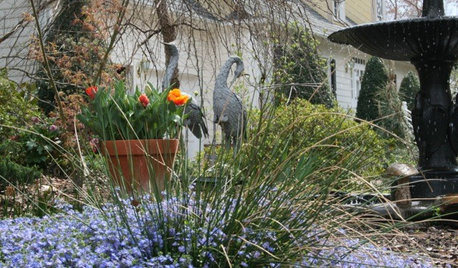
SOUTHEAST GARDENINGSoutheast Gardener's January Checklist
Resolve to see your garden with fresh eyes this year while you plant, plan and take care of necessary maintenance
Full Story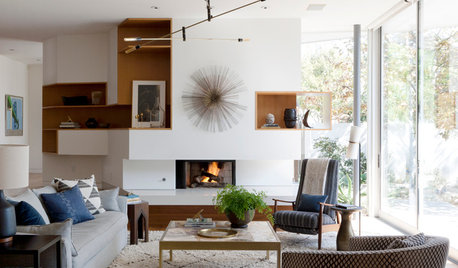
MODERN HOMESHouzz Tour: Earthy Decor Adds Warmth to a Modern Home
Nature-based colors and rustic elements bring a cozier feeling to a minimalist house in Southern California
Full Story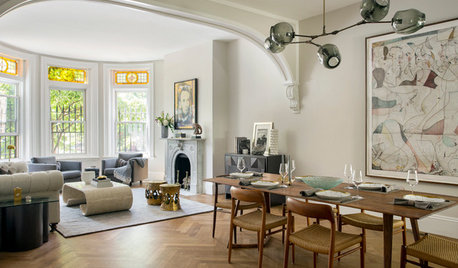
HOUZZ TOURSHouzz Tour: A Boston Brownstone Is Restored to Glory and Then Some
Victorian-era architectural details create a strong base for an eclectic mix of furniture, accessories and modern art
Full Story

BEDROOMSPlatform Beds for Every Style
Buh-bye box spring: New mattresses and frames make platform beds work for all
Full Story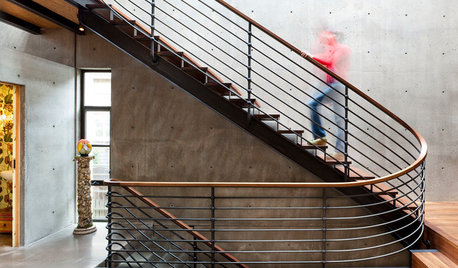
REMODELING GUIDESKey Measurements for a Heavenly Stairway
Learn what heights, widths and configurations make stairs the most functional and comfortable to use
Full Story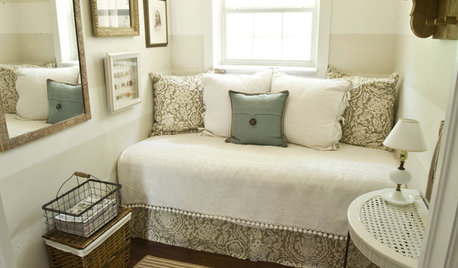

MORE ROOMS8 Ways to Rethink the Dining Room
It's Your Space! Repurpose Your Dining Room for How You Want to Live
Full Story
REGIONAL GARDEN GUIDESNortheast Gardener's April Checklist
Revel in the wonders of spring by babying bulbs, sprinkling seeds for root crops and setting out some nibbles for the birds
Full Story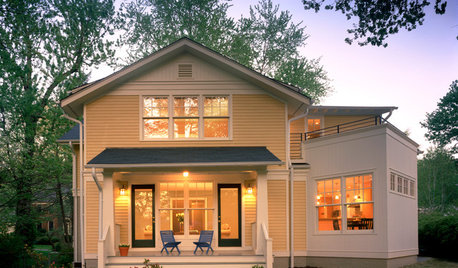
WORKING WITH PROSHow to Hire the Right Architect: Comparing Fees
Learn common fee structures architects use and why you might choose one over another
Full Story

annzgw
gardengal48 (PNW Z8/9)
Related Professionals
Spartanburg Landscape Architects & Landscape Designers · Nashville Landscape Architects & Landscape Designers · South Bend Landscape Architects & Landscape Designers · Newark Landscape Architects & Landscape Designers · Altoona Landscape Architects & Landscape Designers · Lubbock Landscape Architects & Landscape Designers · Birmingham Landscape Contractors · Gainesville Landscape Contractors · Bowling Green Landscape Contractors · Joplin Landscape Contractors · Portsmouth Landscape Contractors · Sanford Landscape Contractors · Morgan City Decks, Patios & Outdoor Enclosures · Muskegon Decks, Patios & Outdoor Enclosures · Monroe Decks, Patios & Outdoor Enclosureskarinl