Software
Houzz Logo Print
valinsv

Addressing soil elevation difference between neighbors

19 years ago

We are in the process of relandscaping our backyard which includes replacing a SIDE fence we share with a neighbor. We each have retaining walls along the REAR of our property which are about 2' high; however, my neighbors have curved their retaining wall along the side such that their soil level is about 2-1/2' higher than ours creating a stress on the bottom part of the fence where there is no retaining wall. It looks like there is a moisture problem as well and as this fence is about 15+ years old we are OK splitting the cost to replace, however we want it done right and have a fair distribution of costs since we are finding out that retaining walls are expensive.

We are considering curving our retaining wall along the side as well though not as far in as theirs--nor as high so even where the soil is elevated theirs will still be about 8" higher than ours. We would like to use the retaining wall for seating so we are thinking 2' would work well for us. We have 3 birch trees growing in this area were we are thinking of extending the retaining wall would mean these birch trees would be covered up with about 18" of soil. Is this OK for the birch trees provided we do deeper watering?

Lastly, what is a good and fair solution for the fencing areas where the neighbor's soil level is about 2' higher than ours? Right now we have some ugly concrete posts which I want to rip out. I feel any supports should be on their pside of the fence and not visable to us. I feel we should only pay for 1/2 the fence, but they should add some type of concrete supports on their side up until the soil level so that the weight and drainage doesn't create problems for us and/or rot out the new fence which costs about $2K.

I don't think they are fully aware of the problems they created for us and how it rotted out the existing fence (which was ready for replacement anyway) when they relandscaped 2 years ago. They've been asking for us to replace the fence for sometime now so I know they are aggreeable only we've been remodeling and put it off until now. I do think they were a bit put out by our addition and we do not want to further aggrivate a sensitive situation so am looking for advice here before we broach the subject this weekend.

TIA!

Comments (10)

  • 19 years ago

    You cannot bury a tree and expect it to live. Adding more than a couple of inches of soil over the roots of a tree at the original soil level is not a good idea if you value the tree.

    I personally would not share the cost of a fence with a neighbor. You can end up with disagreements down the road when it comes time to repair or maintain it. Soil that is in contact with any part of the wooden fence will rot it, as you have learned. If you neighbors altered their grade after your fence was in place, they should have put in retaining walls that would keep the soil away from the fence on their side. So it's basically their fault if the fence rotted out prematurely.

  • 19 years ago

    saypoint: Appreciate your feedback on the birch trees as, yes, I do value them. I asked both of the landscapers who came to our house if we could do it and they both said yes, but they are probably not experts in plant care. As for the fence, since it was already over 15-years old before they relandscaped, we feel it is fair to split the cost of replacing it as long as the issues regarding their raised bed is addressed. To be fair, the problem was probably there before they relandscaped and the original owners did not properly address it when the original fence was put it--they only made the problem worse when they relandscaped and added more soil. I'm not sure if they extended the retaining wall at that time or not. I just know they replaced it--as we are doing--but did not address the drainage issues it was causing for us. We really want to avoid any disputes as we prefer amicable relations with our neighbors and so am looking for a "fair" solution--just not sure whose ressponsibility it is--theirs, ours or both and much appreciate neutral opinions since we are (naturally) biased.

  • 19 years ago

    I find it difficult to believe that two design persons said it was okay to cover your birch tree roots with 18" of soil. It is not okay. Don't do it. Also, it appears that these same two designers could not offer you any solutions to your problem. I am having difficulty visualizing the exact problem as you wrote it. Plus it is difficult to give you a negotiating position with your neighbor without seeig the site. Have you had several fence companies evaluate the situation and offer possible solutions their companies could provide?

  • 19 years ago

    Thanks, nandina for the feedback. We did not bring in a designer, only two landscapers, and went over the whole plan we have for our front and backyard. It's only now that I'm taking a closer look at the fence and what to do on that side that I think it's not so simple to just replace the fence. The house next door has always had this raised bed to the side with no retaining wall to support it--just a higher fence.

    It does sound like we need to bring in some more people to study the situation from both sides; however the fence/landscapers don't really seem to be qualified to advise on plant care as both landscapers did say covering up the birch trees could be done; hence why I posted here to get more information. Designwise it would be so much better to bring the retaining wall in front of the birch trees (which is how my neighbors have it) than route it along behind as it is presently, however, not at the risk of killing them. We were thinking of extending our hardscape to connect to the retaining wall and adding a pergola with patio furniture there and then we could use the ledge of the retaining wall for overflow seating.

    I will take some pictures of this area later today which will give everyone a clearer idea the space I am working with.

  • 19 years ago

    Steady Jo, this is big problem out there. One of the reasons people come here with seemingly silly questions is because they see landscaping as something that is done by "people who buy a used pickup truck and slap a magnet on the door that says they are landscapers". The fact is: the birch trees will die if treated this way (not my opinion but well documented evidence). Building soil against a wooden fence is not a good idea so everything here points to, do we get a lawyer involved or not?

  • 19 years ago

    inkognito: Appreciate the feedback. People have different expertise so apologize in advance for my ignorance. We just completed a remodel and in the process I learned a tremendous amount and am not afraid of hardwork and researching. Most of all, to have a plan before commencing any project. I don't think any lawyer needs to get invoved as there is no fight--just a 20-year old problem that was put in place before either one of the present owners bought their properties and I would like some impartial advice on how best to landscape this corner as well as what to do about the fence.

    Here are some pics to shed some more light on the subject. I appreciate everyone who has taken the time to read up and voice their suggestions on my project.

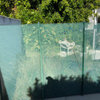
    This is the side fence that needs replacing. The neighbor's raised bed I would say extends all the way to teh right shrubs pictured. As you can see we have the concrete posts sticking up on our side to support the fence which are ugly and I want to have removed or flush with the soil level on our side.

    {{gwi:37612}}

    This is a closeup of the fence that shows the neighbor's soil against the fence.

    {{gwi:37613}}

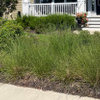
    This is the corner where we want to extend and curve the retaining wall.
    {{gwi:37614}}

    One thing that puzzles me about the birch tress is that they've hardly matured in the past 15-years since we've lived here. Ideally, it would've been better to have them part of the raised bed as we could then extend our hardscape to meet the wall and showcase an attractive (and expensive so we are finding out!) new retaining wall.

    My questions:

    1. If we route the new retaining wall along similar lines as the present one, what is best to do with the birch tree area? Grass or planting bed?

    2. What types of plants could grow in the raised bed behind the birch trees which is damp and shady?

    3. Lastly, could there be something wrong with the birch trees that they are so slow growing? These trees are probably at least 20-years old--most likely closer to 25+

  • 19 years ago

    Valinsv, I'm sorry, but I couldn't read through all the messages here because I was so outraged at that landscaper's advice! I cannot agree more with the previous responses that have advised the birch trees will be severely stressed, and will most likely die, if 18" of soil ... or even much less ... is added above their root zones. Deep watering will not help and will probably only make matters worse. Roots buried that deeply will die and there will be nothing left to sustain the tree. I recently saw a currant bush that had been planted 12" too deep - the original roots were dead and rotting, as was the stalk that had been buried, and, while the poor thing had put out secondary roots from adventitious buds near the soil line, they were insufficient to sustain the plant. It was a sorry sight. (Smelly, too.)

    If I were in your place, I would not trust that landscaper with any further work! Dismiss him/her/them and find someone who at least has a basic knowledge of plants.

    I would recommend a planting bed or just mulch beneath those birches. Grass must be mowed ... and trees are too often nicked by mowers and weed trimmers, leaving a wound that stresses the tree and provides an entry for insects and disease.

    There are many, many plants that will thrive happily in both moist and dry shady areas, however, without knowing what part of the country you are in, it is very difficult to make an appropriate recommendation. With those trees and the other plantings I see there, a naturalized bed of native plants would be my first choice. Native plants are usually more pest and disease resistant, usually will attract and help sustain birds and beneficial insects, and usually demand less attention, giving you more time to enjoy your yard and garden. If you provide your general location, I and the others here can probably be more helpful with recommendations for shade plants.

    I would agree, too, that the deterioration of the fence has been considerably hastened by your neighbor's placing of dirt up against the wood. What were they thinking? Ah, well.

    That corner has the potential to become a lovely and relaxing spot. I've always loved birches, please take care of them; unfortunately, I don't have a ready answer for you on why they aren't growing, but I would still enjoy them for the graceful form and the beautiful contrast provided by their white bark.

    Best of luck to you, and I do hope you'll post some more photos when the project is complete.

  • 19 years ago

    agardenstateof mind: Thank you so much for taking the time to give advice on my birch trees. I've now updated my zone which is 9. We do enjoy the birch trees and the shade they give which is one of the reasons we would like to extend our hardscape to that corner so we can put some patio furniture there. We were also thinking about a pergola as well. Based on advice here, we will route the new retaining wall along similar lines as the existing though having a more rounded shape than before, have a planting bed in front for the birch trees and have the hardscape end at the planting bed (where grass used to be until it died off during our remodel). My DH and I are on a budget and weighing the trade offs getting a landscape designer and then a less expensive landscaper to implement the plan as one of the two is much less expensive and basically implements plans. One of the two persons did draw up a proposal for us, though neither seem qualified to advise on plant care. Does someone whose main job is to do hardscape, retaining walls, etc. as well as planting need to be expert in plant care or can I get advice from a nursury about that?

  • 19 years ago

    It is interesting to use the term "landscaper" here. I might use the term "landscraper" in the sense that you seem to have found some folks who will move dirt around for you. That means that if you yourself determined the proper design for hardscape and plant materials and wanted to hire the labor to pull out shrubs, haul in dirt, install edging or whatever, then you've found someone to do it for you. If you are having them do the design, then yes, they would need to be expert in plant care (though not necessarily gifted in garden design or aesthetics), because you are planning to use plants in & around the area and apparently wish to avoid killing plants you have, and any landscape plan will have to take into account what will grow, what will get killed, not just in the next few months but in some kind of longer-range picture. The jobs and skill sets might be separated out once the overall plan is in place, but not at the initial plan stage. As has been alluded to in other replies, the simpler the job "create a planting bed in the middle of my sunny front yard", the less one might need multiple skills, but once you bring in retaining walls, fence rot, existing trees, seating areas and so on there are many factors involved. Yes, you can get advice from a nursery, but may range from excellent to terrible.

    One of the great things about this forum and reading books and even trying a few small projects myself is that that is the way to begin to really appreciate the complexity of landscape design and be able to reality-check discussions with various landscape/garden professionals.

    You may not need a lawyer to assist you in this joint project if a)You can clearly see what is best for your property & what will actually "work" (prevent fence rot,not kill your trees etc), and b)your neighbors readily agree to do that at the share of cost that is acceptable to you, and c)the resulting project lasts satisfactorily until after you've sold the house to someone else. Other mere mortals might need one! Actually, I don't know, but that's the most worrisome thing about the project--the fact that it is not your independent project.