

Understanding Terracing
19 years ago
Sort by:Oldest
Comments (5)
Related Stories
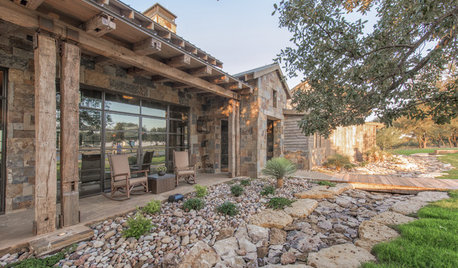
LANDSCAPE DESIGNTo Manage Stormwater Sustainably, Understand Your Site
Follow this guide to learn how water moves through your landscape and how best to manage it
Full Story
MODERN HOMESHouzz Tour: Seeing the Light in a Sydney Terrace House
A narrow row house gains lots of interior sunshine and a connection to the outdoors without sacrificing privacy
Full Story
HOUZZ TOURSHouzz Tour: Butterfly Roofs Top a Sydney Terrace House
Modern remodel retains 19th century facade while pouring natural light into new and old spaces
Full Story
GARDENING AND LANDSCAPINGGarden Design Essentials: Shape and Mass
From a curved rail to boxy terraces, shapes and masses give a landscape form, volume and interest
Full Story
ARCHITECTURE4 Zurich Projects Build on High-Rise Livability
Generous landscaping, underground parking and terraces make these apartment complexes models of thoughtful housing
Full Story
REMODELING GUIDESThe Hidden Problems in Old Houses
Before snatching up an old home, get to know what you’re in for by understanding the potential horrors that lurk below the surface
Full Story
LANDSCAPE DESIGNHow Grading Shapes the Ground and Manages Stormwater
Understand how an overall grading plan provides a framework for a great landscape design
Full Story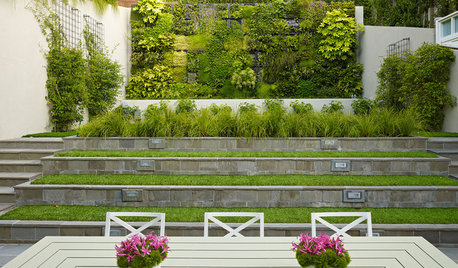
LANDSCAPE DESIGN11 Design Solutions for Sloping Backyards
Hit the garden slopes running with these bright ideas for terraces, zones, paths and more
Full Story
HOUZZ TOURSHouzz Tour: A Parisian Apartment Goes Modern and Bright
Sporting a rare terrace, this small French home gets stripped and redone to highlight the gorgeous skyline view
Full Story
STAIRWAYSHouzz Tour: Sleek Addition With a Standout Stairway
A traditional Australian 3-story urban terrace home gets an ultramodern addition in back. A circulation staircase links the floors
Full Story
Sponsored
Saypoint zone 6 CT
rubrifoliaOriginal Author
Related Professionals
Bowling Green Landscape Architects & Landscape Designers · Hannibal Landscape Architects & Landscape Designers · Charleston Landscape Architects & Landscape Designers · Tucson Landscape Architects & Landscape Designers · Everett Landscape Architects & Landscape Designers · Toronto Landscape Architects & Landscape Designers · Lake City Landscape Contractors · Brunswick Landscape Contractors · Natchitoches Landscape Contractors · Grand Rapids Landscape Contractors · Santa Fe Landscape Contractors · Bloomington Decks, Patios & Outdoor Enclosures · Cincinnati Decks, Patios & Outdoor Enclosures · Altoona Decks, Patios & Outdoor Enclosures · Magog Decks, Patios & Outdoor Enclosuresnandina
pls8xx
Embothrium