

A deep subject: wells
20 years ago
Sort by:Oldest
Comments (8)
Related Stories

PRODUCT PICKSGuest Picks: Shed a Little Light on the Subject
These smart-looking task lamps will add functionality and style to your study space or desk
Full Story
HOUSEKEEPING20 Things You Might Be Forgetting to Spring-Clean
Clean these often-neglected areas and your house will look and feel better
Full Story
KITCHEN DESIGN7 Strategies for a Well-Designed Kitchen
Get a kitchen that fits your lifestyle and your design tastes with these guidelines from an architect
Full Story
GARDENING GUIDESHow to Keep Your Citrus Trees Well Fed and Healthy
Ripe for some citrus fertilizer know-how? This mini guide will help your lemon, orange and grapefruit trees flourish
Full Story
PRODUCT PICKSGuest Picks: The Well-Stocked Starter Kitchen
We’ve got all the kitchen basics and tableware you need (or that recent grad needs) to make cooking a joy
Full Story
FARMHOUSESHouzz Tour: German Tradition Deep in the Heart of Texas
Rooted in architecture from the 1800s, this award-winning home mixes history with the vernacular of today
Full Story
DOORSDeep Pockets: Doors with Panache
Pocket Doors Save Space and Create Elegant Transitions Inside and Out
Full Story
FRONT DOOR COLORSFront and Center Color: When to Paint Your Door Deep Red
Rich reds draw the eye and send an inviting message. See if one of these palettes speaks to you for your own front door
Full Story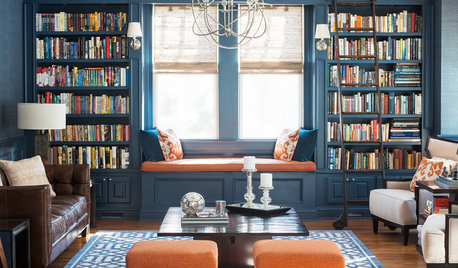
COLORRoom of the Day: Deep Blue Proves a Hot Hue
Navy takes a New Jersey living room from dull to dashing in the flick of a paintbrush
Full Story
KITCHEN DESIGNHow to Choose the Right Depth for Your Kitchen Sink
Avoid an achy back, a sore neck and messy countertops with a sink depth that works for you
Full Story
Sponsored
More Discussions

fancifowl
gurley157fs
Related Professionals
Newport Landscape Architects & Landscape Designers · Rutland Landscape Architects & Landscape Designers · Monroe Landscape Architects & Landscape Designers · Fort Collins Landscape Architects & Landscape Designers · Kalispell Landscape Architects & Landscape Designers · Atlantic City Landscape Contractors · Roanoke Landscape Contractors · Winona Landscape Contractors · Janesville Landscape Contractors · Santa Rosa Landscape Contractors · Jacksonville Accessory Dwelling Units · Dalton Accessory Dwelling Units · Orangeburg Accessory Dwelling Units · Saginaw Accessory Dwelling Units · Wheeling Accessory Dwelling Unitskcassidy
goodhors
bama35640
kbeitz
turnkey4099
bulldinkie