

Goat Horns
20 years ago
Sort by:Oldest
Comments (6)
Related Stories
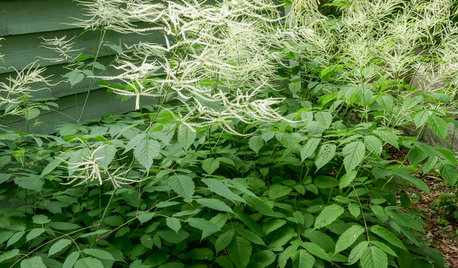
FLOWERS AND PLANTSAruncus Dioicus Is a Stately Plant for Shady, Moist Garden Spots
Plant goat’s beard in perennial and woodland gardens. Its large white spring blooms attract bees, beetles and butterflies
Full Story
FARM YOUR YARDMy Houzz: An Urban Farm and Animal Sanctuary in Austin
Four dogs, four chickens, a duck and a kitten find refuge in a photographer’s updated home
Full Story
LANDSCAPE DESIGNBeautiful Noise: How to Create a Symphony in Your Garden
Take your surroundings to another level by introducing the element of sound with ground covers, water features and wind catchers
Full Story
KITCHEN DESIGNStandouts From the 2014 Kitchen & Bath Industry Show
Check out the latest and greatest in sinks, ovens, countertop materials and more
Full Story
PETSThe Best of My Houzz: 50 Design-Loving Pets
Share in the animal love with snapshots of adorable furry friends from our My Houzz series
Full Story
DECORATING GUIDESBring in da Funk: How Humble Touches Give a Home Soul
Shake up expectations and stir up interest with pieces that show patina, create contrast or offer a jolt of surprise
Full Story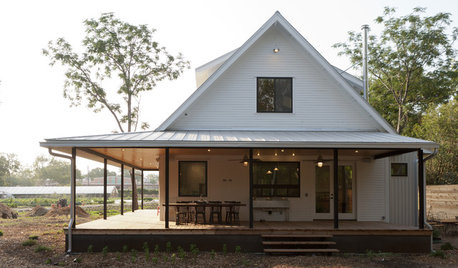
HOUZZ TOURSHouzz Tour: A New Texas Farmhouse Pulls a Neat Trick
Fresh from the drawing board, this home for organic farmers in Austin looks remodeled and expanded over time
Full Story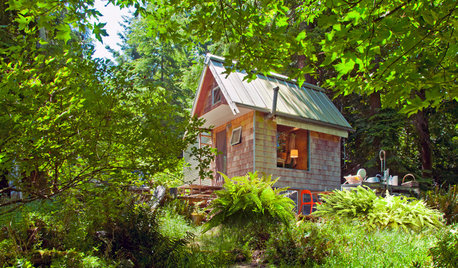
VACATION HOMES10 Cozy Cabins to Inspire Your Get-Away-From-It-All Dreams
These hideaways encourage relaxation, whether in the woods or in the wine country, on a mountaintop or at the shore
Full Story
FUN HOUZZThe Unicorn in the Bathtub — and Other Mind-Blowing Sights
Fantasy and reality meet head-on in photos of costume fans in their own homes
Full Story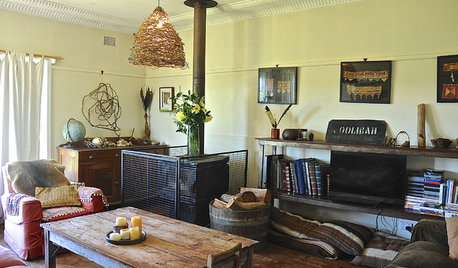
HOUZZ TOURSMy Houzz: Cozy Country Meets Bohemian Artistic in Australia
Healthy helpings of salvage and rustic art give a pastureland home free-spirited style
Full Story
Sponsored
More Discussions

shellybabe
GennyMOriginal Author
Related Professionals
Dover Landscape Architects & Landscape Designers · Athens Landscape Architects & Landscape Designers · Belleville Landscape Architects & Landscape Designers · Huntington Landscape Architects & Landscape Designers · Webster Landscape Architects & Landscape Designers · Orange County Landscape Architects & Landscape Designers · Hilo Landscape Architects & Landscape Designers · Lima Landscape Contractors · Bismarck Landscape Contractors · Rome Accessory Dwelling Units · Waterbury Accessory Dwelling Units · Peoria Accessory Dwelling Units · Trenton Accessory Dwelling Units · Plattsburgh Accessory Dwelling Units · Modesto Accessory Dwelling Unitsdannyboquet
cheribelle
lucky_p
GennyMOriginal Author