

hatching chicks question
19 years ago
Sort by:Oldest
Comments (4)
Related Stories
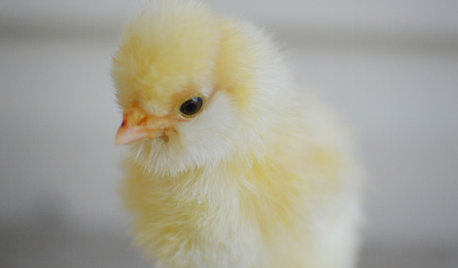
PETSWhat You Need to Know Before Buying Chicks
Ordering chicks for your backyard coop? Easy. But caring for them requires planning and foresight. Here's what to do
Full Story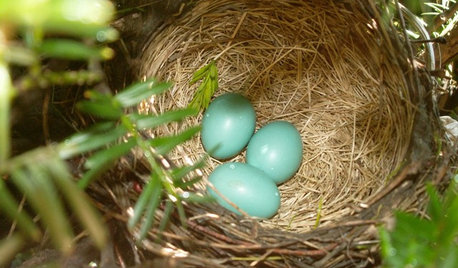
GARDENING FOR BIRDSWhat to Know About Birds Nesting in Your Yard
Learn how to observe, record data and help ornithologists with NestWatch’s citizen science project understand bird trends
Full Story
PRODUCT PICKSGuest Picks: Catch Spring Fever in the Kitchen and on the Table
Let zingy colors, budding plants and more freshen your cooking and eating spaces to match the new season
Full Story
LIFEEasy Green: Modern Homesteaders Stake a Claim
With more options for raising chickens, growing edibles and keeping bees than ever, suburban and city folk are rediscovering a lost art
Full Story
HOUZZ TOURSHouzz Tour: Beach-Scene Colors for a Picturesque Florida Getaway
Seaside hues paired with updated interior architecture make for a soothing and sophisticated vacation home
Full Story
REMODELING GUIDESHouzz Tour: A Fresh Pacific Northwest Take on Midcentury Modern
This updated ’60s modern vacation home honors the past while embracing its sublime surroundings
Full Story
HOUZZ TVWhat Lies Beneath? A Tiki Bar Basement
See how Portland, Oregon, homeowners and their contractor turned an unfinished basement into a tiki-theme ‘dive bar’
Full Story
HOUZZ TOURSMy Houzz: On Top of the Worldly in Florida
Global and vintage finds plus family heirlooms bring boho flair to a midcentury St. Petersburg home
Full Story
OUTDOOR PROJECTSBring In the Birds With a Homemade Bubble Rock
An avian expert from Southern Indiana shows how to make a burbling fountain that migrating birds will love
Full Story
REMODELING GUIDESWisdom to Help Your Relationship Survive a Remodel
Spend less time patching up partnerships and more time spackling and sanding with this insight from a Houzz remodeling survey
Full Story
Sponsored
More Discussions

patrick_nh
chezmonmiOriginal Author
Related Professionals
Montgomery Landscape Architects & Landscape Designers · Rock Hill Landscape Architects & Landscape Designers · Richmond Landscape Architects & Landscape Designers · Montrose Landscape Architects & Landscape Designers · Pueblo Landscape Architects & Landscape Designers · Jacksonville Landscape Contractors · Miami Landscape Contractors · Evansville Landscape Contractors · Cedar Rapids Landscape Contractors · Boston Landscape Contractors · Mankato Landscape Contractors · Middletown Accessory Dwelling Units · Newark Accessory Dwelling Units · Carson City Accessory Dwelling Units · Coos Bay Accessory Dwelling Unitsvelvet_sparrow
HerringboneD28