

Worming ducks and chickens
20 years ago
Sort by:Oldest
Comments (8)
Related Stories
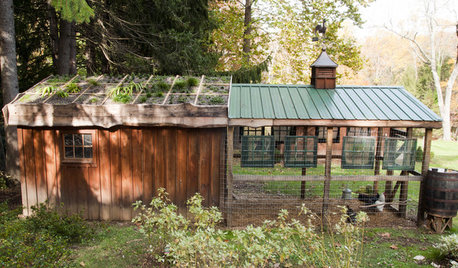
FARM YOUR YARDHouzz Call: Show Us Your One-of-a-Kind Chicken Coops
Do you have a fun or stylish backyard shelter for your feathered friends? Post your pictures and stories in the Comments!
Full Story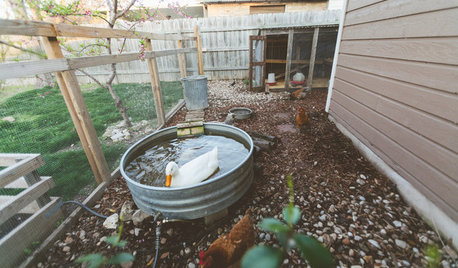
FARM YOUR YARDMy Houzz: An Urban Farm and Animal Sanctuary in Austin
Four dogs, four chickens, a duck and a kitten find refuge in a photographer’s updated home
Full Story
GARDENING AND LANDSCAPINGRaise Backyard Chickens Without Ruffling Neighbors' Feathers
Before you build a coop in the backyard, follow these strategies to help keep your neighbors from squawking
Full Story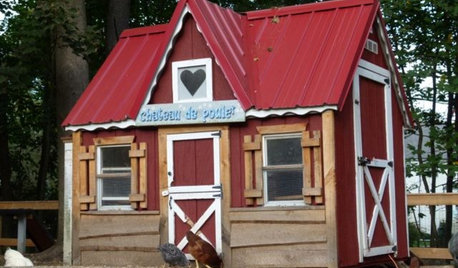
GARDENING AND LANDSCAPINGChicken Coops That Rule the Roost
These 8 chicken coops designed by Houzz users will have you clucking in admiration — and maybe even planning a henhouse of your own
Full Story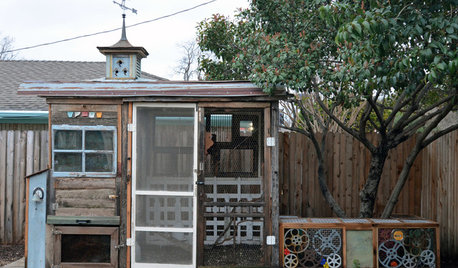
OUTBUILDINGSQuirky Meets Practical in a Dallas Chicken Coop
These hens have a stylish backyard coop built from recycled materials
Full Story
PRODUCT PICKSGuest Picks: 20 Finds to Cluck About
If you have or love chickens, you’ll flock to these coops, themed accessories, artwork and more
Full Story
KITCHEN DESIGNCockadoodledoo! Roosters in the Kitchen
Add Country Charm and Good Luck With a Chicken in the Cucina
Full Story
HOUZZ TOURSHouzz Tour: A Ranch House Is Reborn in a Los Angeles Canyon
Can you get back to nature in the heart of an urban mecca? This family — and their horses, dogs and chickens — did just that
Full Story
MOST POPULARThe Most Incredible Kids' Tree House You'll Ever See?
Duck your head to enter this unforgettable Dallas wonderwork, lovingly crafted with imaginative delights
Full Story
HOUZZ TOURSHouzz Call: Show Us Your Farmhouse!
Bring on the chickens and vegetable patches. If your home speaks country, it might appear in a featured ideabook
Full Story
Sponsored
More Discussions

GennyM
kristenmarie
Related Professionals
Shreveport Landscape Architects & Landscape Designers · Richmond Landscape Architects & Landscape Designers · Orange County Landscape Architects & Landscape Designers · Rome Landscape Contractors · Athens Landscape Contractors · Lafayette Landscape Contractors · Albany Landscape Contractors · Saint Marys Landscape Contractors · Eureka Landscape Contractors · Ogden Landscape Contractors · Spokane Landscape Contractors · Jackson Landscape Contractors · Atlanta Accessory Dwelling Units · Miami Accessory Dwelling Units · Middletown Accessory Dwelling Unitsmarquisella
ahbee01Original Author
GennyM
growernut
patrick_nh
sumac