

A question for Jellyman. Maybe two.
18 years ago
Sort by:Oldest
Comments (4)
Related Stories

KITCHEN DESIGN9 Questions to Ask When Planning a Kitchen Pantry
Avoid blunders and get the storage space and layout you need by asking these questions before you begin
Full Story
WORKING WITH PROS12 Questions Your Interior Designer Should Ask You
The best decorators aren’t dictators — and they’re not mind readers either. To understand your tastes, they need this essential info
Full Story
GREEN BUILDINGConsidering Concrete Floors? 3 Green-Minded Questions to Ask
Learn what’s in your concrete and about sustainability to make a healthy choice for your home and the earth
Full Story
ORGANIZINGPre-Storage Checklist: 10 Questions to Ask Yourself Before You Store
Wait, stop. Do you really need to keep that item you’re about to put into storage?
Full Story
WORKING WITH PROS8 Questions to Ask Yourself Before Meeting With Your Designer
Thinking in advance about how you use your space will get your first design consultation off to its best start
Full Story
FEEL-GOOD HOMEThe Question That Can Make You Love Your Home More
Change your relationship with your house for the better by focusing on the answer to something designers often ask
Full Story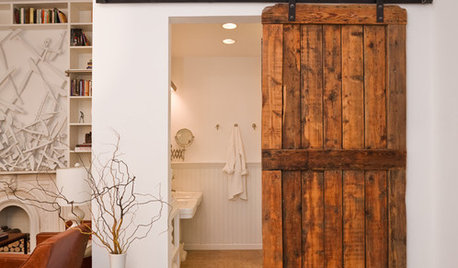
DOORS5 Questions to Ask Before Installing a Barn Door
Find out whether that barn door you love is the right solution for your space
Full Story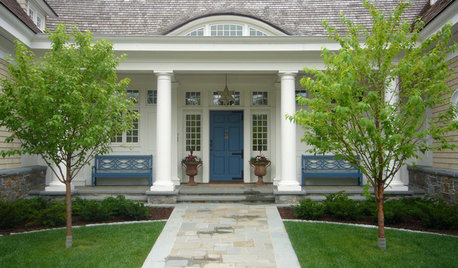
EXTERIORSCurb Appeal Feeling a Little Off? Some Questions to Consider
Color, scale, proportion, trim ... 14 things to think about if your exterior is bugging you
Full Story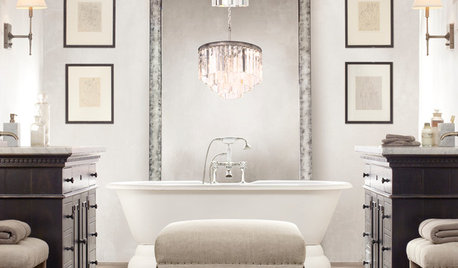
LIGHTING5 Questions to Ask for the Best Room Lighting
Get your overhead, task and accent lighting right for decorative beauty, less eyestrain and a focus exactly where you want
Full Story
Sponsored


crabjoe
tdave8666Original Author
Related Professionals
Tallahassee Landscape Architects & Landscape Designers · Georgetown Landscape Architects & Landscape Designers · Fresno Landscape Architects & Landscape Designers · Mesquite Landscape Architects & Landscape Designers · Idaho Falls Landscape Architects & Landscape Designers · Fayetteville Landscape Contractors · Edison Landscape Contractors · Scranton Landscape Contractors · Florence Home Additions · Grand Forks Home Additions · Watertown Home Additions · Napa Home Additions · Carlsbad Home Additions · Great Falls Home Additions · Longview Home Additionsjellyman
tdave8666Original Author