

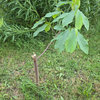
Italian Prunes
19 years ago
Sort by:Oldest
Comments (6)
Related Stories
LANDSCAPE DESIGNBring a Touch of Renaissance Italy Into Your Garden
Italian gardens of the period are famed for their beauty. Here are classic design elements you can borrow for your own space
Full Story
LANDSCAPE DESIGN5 Structural Plants to Frame Your Garden Beautifully
Consider these trees and shrubs live building blocks, providing structure and definition in even a small garden
Full Story
GARDENING GUIDESHow to Avoid Overcrowded, Overpruned Shrubs
Go for a more natural look that’s easier and less expensive to maintain by giving your plants the right amount of growing room
Full Story
FARM YOUR YARDIf You Have Room for Only One Fruit Tree ...
Juice up a small garden with one of these easier-care or worth-the-effort fruit trees for a mild climate
Full Story
GARDENING GUIDESGreat Design Plant: Rosa Banksiae a Low-Maintenance Beauty
This thornless, disease- and insect-resistant rose brings showers of white or yellow flowers to the spring garden
Full Story
GARDENING AND LANDSCAPING9 Whimsical Touches to Wake Up the Garden
If the August heat is wilting your enthusiasm, try these playful ideas to jump-start your gardening moxie
Full Story
GARDENING GUIDESDesigning With Conifers: Find the Perfect Fit for Your Landscape
Conifers range from fairy-garden size to 70 feet tall. Here’s how to decifer the plant tag for the perfect long-term fit in your garden
Full Story
GARDENING AND LANDSCAPINGLongwood Gardens' Pathways Invite Exploration
Plant choice and pathway design are essential for an inviting garden. See how Longwood's paths beg a closer look
Full Story
LANDSCAPE DESIGNThe Art of the Espalier
Go ahead, let limited garden space drive you up the walls. With these 6 ways to train plants vertically, it can be a beautiful thing
Full Story
FARMHOUSESWorld of Design: See How 9 Families Live and Farm on Their Land
Join us as we visit the homes and farms of passionate food producers and hear about rural life around the globe
Full Story


Embothrium
yelena
Related Professionals
Panama City Landscape Architects & Landscape Designers · Houma Landscape Architects & Landscape Designers · Frisco Landscape Architects & Landscape Designers · Killeen Landscape Architects & Landscape Designers · Westerly Landscape Architects & Landscape Designers · Colorado Springs Landscape Architects & Landscape Designers · Bowling Green Landscape Contractors · Niles Landscape Contractors · Provo Landscape Contractors · Mobile Home Additions · Miami Home Additions · Ocala Home Additions · Lufkin Home Additions · Wichita Falls Home Additions · Missoula Home AdditionsflowerthymeOriginal Author
yelena
Embothrium
reg_pnw7