Software
Houzz Logo Print
cebury

Deficiency - Brown Strips Parallel to Midrib

16 years ago

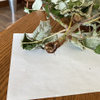
This is happening on several of my fruit trees:

{{gwi:89570}}

Sulfur deficiency? Magnesium? All container trees and it's rained quite a bit recently. Trees look otherwise healthy.

Only exception is two are also having trouble with young leaves yellowing and falling off while small -- these are in the "gritty mix", so I assume these with the yellowing leaves are due to fert being washed out too quickly from rains.

Comments (9)

  • 16 years ago

    cebury:

    That's a strange looking leaf. I've never seen anything like that. At this early stage it might just be a passing phase. The leaf really looks good otherwise. So at this point I'd just wait and see what happens.

    I'm just kicking things off hoping others will have more helpful comments. Sometimes just getting the discussion started proves helpful.

  • 16 years ago

    I also see that on a citrus tree I just picked up (the tree was never given any minors). As far as the ones I've cared for, It's also on an apple, peach and pear.

    Thinking out loud: it's possible I gave it too much Gypsum in the blend. There is a known relationship between magnesium and calcium in deficiency and excess. For example, excess calcium can inhibit magnesium uptake -- even when plenty exists in the soil nutrients.

    See this link for a sample image on apple (scroll down to 278).

    and same site for pear
    (scroll down to 289)


    what do you guys think?

  • 16 years ago

    Anyone else confirm? If it was excess gypsum, should I be concerned and attempt to leach it from the soil or just leave it to naturally diminish?

  • 16 years ago

    Gypsum is not very soluable is it? Don't think you will leach it without drowning everything. My best guess is you don't have a problem. Your leaves really look pretty good. Unless they start dying I won't be concerned. Post back if it gets worse.

    It may just be cold, wet soil. That makes things look a little unusual at times.

  • 16 years ago

    Your pictures are far better than in the link, never could figure out why some outfits post lousy pics. to illustrate nutrient disorders. It would be useful to say what tree the pic is from, how old the leaf is and where it is positioned on the plant. Pics of normal/healthy leaves can help also. How old is the plant, did it do this previously, have you changed what was done in prior years this year, any extreme weather lately?

  • 16 years ago

    Hi Michael,

    Yeah you gotta wonder why in the world are pictures showing nutrient disorders so lousy, when I can take one with a $100 digital camera -- lower the pixel count and maximum JPEG compression down to under 100k and it looks excellent.

    The tree was purchased this year, it is a bartlett pear.
    It looked like this a few weeks ago, but of course is much more leafed out now.

    {{gwi:89573}}

    There are several leaves (less than 5%) showing this, but overall the tree looks healthy. I would've ignored it, however since I'm seeing it on a couple citrus and a couple other fruit trees, but yet other container trees look OK, I think I must've done something with ferts on their potting mix that I didn't for others. Oh well..

  • 16 years ago

    Just FYI in case others find this in the future. It may have been related to calcium (perhaps using any gypsum in the regular peat-based mixes like MG potting soil). The problem cleared up after a few more weeks and the trees remained healthy (I think, my first year with these types of fruit trees). It's growth flush stopped short of creating leaves along the entire, there are still bare branch sections (notice the early leafing at the branch tips in the above pic).

    But the double brown stripes are gone on the existing leaves, they look healthy and new shoot growth appeared normal.

  • 16 years ago

    I doubt gypsum had anything to do with it. Sometimes new leaves have such coloring, perhaps due to light exposure. Butn as you found out, they're fine.

  • 16 years ago

    Nutrient disorders are not easy to diagnose and can be transitory making it more maddening. I once worked for a guy with many years of experience in vegetable crop nutrition and was often astonished by how good and quick he was at looking at a crop, asking the grower questions and then knowing what was going on. Looking at even good pictures in a book or on-line very often is not enough information to make an accurate diagnosis, at least I remember something of value from working for George.

0