

Pre-soaking vermiculite
20 years ago
Sort by:Oldest
Comments (4)
Related Stories
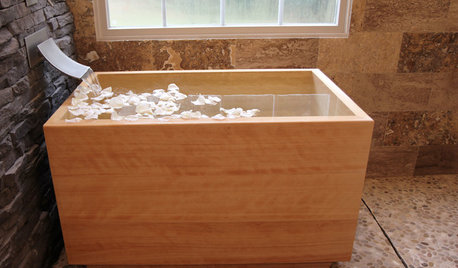
BATHTUBSRoom of the Day: Restorative Power of a Japanese Soaking Tub
A traditional tub made of hinoki wood sets a calming tone in this master bath renovation
Full Story
LIFE10 Ways to Make Weeknights Feel More Special
Enjoy drinks or dinner outside, take a stroll, have a movie night or soak away the stress
Full Story
LAUNDRY ROOMS6 Ways to Squeeze a Sink Into a Laundry Space
Even those of us with compact laundry rooms may be able to get an oh-so-useful sink in there
Full Story
GARDENING AND LANDSCAPINGWhy Is There a Bathtub in the Backyard?
Nope, it's not waiting for bulk trash pickup. These days outdoor tubs are serving soakers, beer drinkers and even the fishes
Full Story
RANCH HOMESHouzz Tour: A Classic Ranch House Rises to the Location
A 1950s Hollywood Hills home with stunning L.A. views gets a thoughtful update
Full Story
LAUNDRY ROOMSHouzz Call: Show Us Your Wonderfully Efficient Laundry Room
Got a drying rack, a folding table or clever storage in your laundry room? We want to see it!
Full Story
BATHROOM DESIGN10 Elements of a Dream Master Bath
A heavenly bathroom could be just a few features away. Would any of these be must-haves for your renovation?
Full Story
BATHROOM DESIGNHow to Build a Better Shower Curb
Work with your contractors and installers to ensure a safe, stylish curb that keeps the water where it belongs
Full Story
BATHROOM DESIGNBefore and After: 4 Bathrooms That Ditched the Tub
See how designers removed bathtubs in favor of sleek walk-in showers in these bathroom remodels
Full Story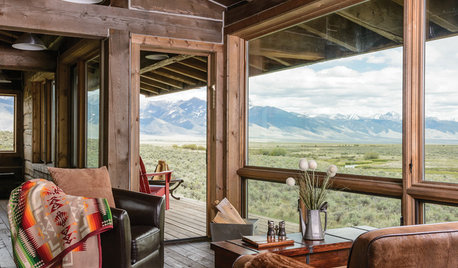
RUSTIC STYLEAt Home on the Range
Cabin retreats in idyllic locales fill the pages of the new book ‘American Rustic.’ We take you inside one of them
Full Story
Sponsored
klinger
tango88
Related Professionals
California Landscape Architects & Landscape Designers · Jacksonville Landscape Architects & Landscape Designers · Sugar Land Landscape Architects & Landscape Designers · Enfield Landscape Architects & Landscape Designers · Taunton Landscape Architects & Landscape Designers · Williamsport Landscape Architects & Landscape Designers · Westerly Landscape Architects & Landscape Designers · Billings Landscape Architects & Landscape Designers · Jacksonville Landscape Contractors · Florence Tile and Stone Contractors · West Plains Tile and Stone Contractors · Williamsburg Tile and Stone Contractors · Middletown Tile and Stone Contractors · Saint Marys Tile and Stone Contractors · Green Bay Tile and Stone Contractorsshrubs_n_bulbs
Running_DogOriginal Author