

Quince crop
18 years ago
Sort by:Oldest
Comments (2)
Related Stories
WINTER GARDENINGCalifornia Gardener's January Checklist
Winter-defying blooms and pruning saws earn a cheer, while California-focused gardening design books get a well-deserved shout-out
Full Story
EDIBLE GARDENSHow to Grow 10 Favorite Fruit Trees at Home
Plant a mini orchard in fall, winter or early spring to enjoy fresh-off-the-tree fruit the following year
Full Story
SPRING GARDENING7 Spectacular and Practical Spring-Flowering Trees
Put on a beauteous show in the garden with a landscape tree awash in flowers — just do your homework first
Full Story
GARDENING AND LANDSCAPINGWorld of Design: 10 Home Gardeners Show Us Their Sweet Summer Harvests
From New York to Tokyo, these gardeners have turned their yards, terraces and rooftops into places of bounty
Full Story
REGIONAL GARDEN GUIDESCalifornia Gardener's March Checklist
Give natives and tropicals a well-deserved spotlight — plus, discover an easy herb that keeps on giving
Full Story
WINTER GARDENINGPruning Secrets for Exquisite Roses
Encourage gorgeous blooms year after year with this time-tested advice on how to prune your rosebush in winter for health and shape
Full Story
EDIBLE GARDENSHow to Add an Apple Tree to Your Edible Garden
Readily available, beautiful and fragrant, apple trees offer four-season interest along with crisp, juicy fruit
Full Story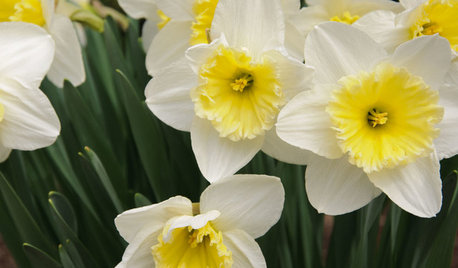
GARDENING GUIDESGreat Lakes Gardener's April Checklist
Watch your garden light up with bulbs, go wild for wildflowers and be kind to wildlife visitors
Full Story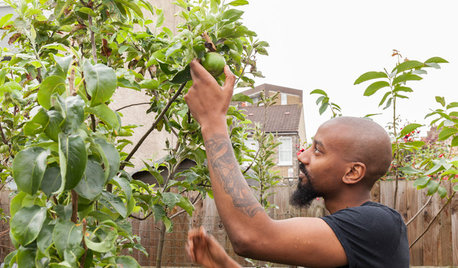
GARDENING GUIDESLush, Foodie Abundance in a Small Urban Garden
This modest backyard garden provides its owner with fruit and vegetables all year round, thanks to an innovative low-maintenance approach
Full Story

denninmi
jellyman
Related Professionals
Jackson Landscape Architects & Landscape Designers · Westerly Landscape Architects & Landscape Designers · Palm Bay Landscape Contractors · Hagerstown Landscape Contractors · Plymouth Landscape Contractors · Lake Havasu City Landscape Contractors · Victorville Landscape Contractors · Glenwood Springs Landscape Contractors · Mesquite Landscape Contractors · Toronto Landscape Contractors · Saint Joseph Home Additions · San Antonio Home Additions · Wichita Falls Home Additions · Billings Home Additions · Salt Lake City Home Additions