

Pest Prevention Question
17 years ago
Sort by:Oldest
Comments (2)
Related Stories
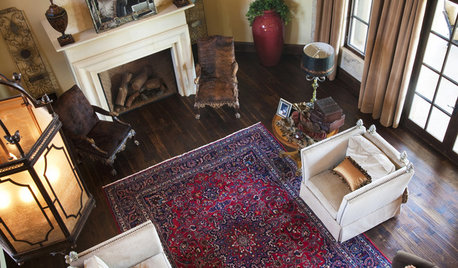
RUGSPrevent Slips and Floor Damage With the Right Rug Pad
Here's what to know about sizes, materials, costs and maintenance of this important companion to your area rugs
Full Story
WINDOW TREATMENTSA Surefire Way to Prevent Sun Damage Indoors
Why let light ruin your furniture, floors and artwork, when the solution could be as simple as applying high-quality window film?
Full Story
REMODELING GUIDES5 Remodeling Monkey Wrenches and How to Prevent Them
Avoid delays and cost overruns by planning certain parts of a home remodel extra carefully. We show you which ones and how
Full Story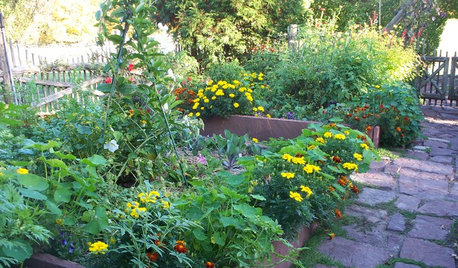
GARDENING GUIDESOrganic Matters: Thwart Insect Pests With Trap Crops
Add a few sacrificial plants to your garden to lure insects away from the harvest
Full Story

KITCHEN DESIGN9 Questions to Ask When Planning a Kitchen Pantry
Avoid blunders and get the storage space and layout you need by asking these questions before you begin
Full Story
LIGHTING5 Questions to Ask for the Best Room Lighting
Get your overhead, task and accent lighting right for decorative beauty, less eyestrain and a focus exactly where you want
Full Story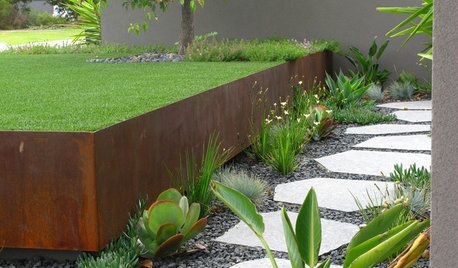
LANDSCAPE DESIGN7 Questions to Ask Before Laying Stepping Stones
These broken-up pathways invite you to put a spring in your step — while adding functionality to the garden
Full Story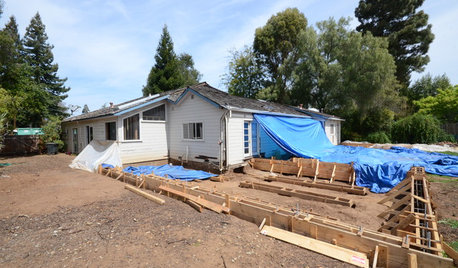
REMODELING GUIDESSurvive Your Home Remodel: 11 Must-Ask Questions
Plan ahead to keep minor hassles from turning into major headaches during an extensive renovation
Full Story
WORKING WITH PROS12 Questions Your Interior Designer Should Ask You
The best decorators aren’t dictators — and they’re not mind readers either. To understand your tastes, they need this essential info
Full Story



taz6122
tapla (mid-Michigan, USDA z5b-6a)
Related Professionals
Waco Landscape Architects & Landscape Designers · Las Cruces Landscape Architects & Landscape Designers · Salt Lake City Landscape Architects & Landscape Designers · Madison Landscape Contractors · Cincinnati Landscape Contractors · Spring Landscape Contractors · Wichita Falls Landscape Contractors · South Sioux City Landscape Contractors · Vineland Interior Designers & Decorators · Tyler Interior Designers & Decorators · Martinsburg Interior Designers & Decorators · Hackettstown Interior Designers & Decorators · Sioux Falls Interior Designers & Decorators · Marinette Interior Designers & Decorators · Redding Interior Designers & Decorators