

What causes leaf shape?
19 years ago
Sort by:Oldest
Comments (2)
Related Stories
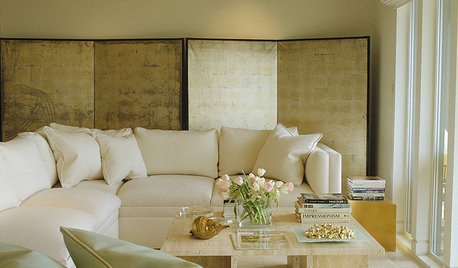
DECORATING GUIDESA Glimmer of Gold Leaf Will Make Your Room Shine
Make a unique, unexpected statement in any space with this precious metallic finish
Full Story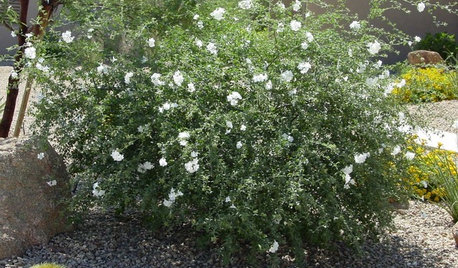
GARDENING GUIDESGreat Design Plant: Little-Leaf Cordia Handles Desert Extremes
Its delicate white flowers are rare in hot and dry sites, but Cordia parvifolia offers more than mere beauty
Full Story
FUN HOUZZ10 Fantasy Dining Rooms for a Good Cause
Outlandishly creative or subtle and sophisticated, these designer spaces for Serving Up Style 2013 show admirable imagination
Full Story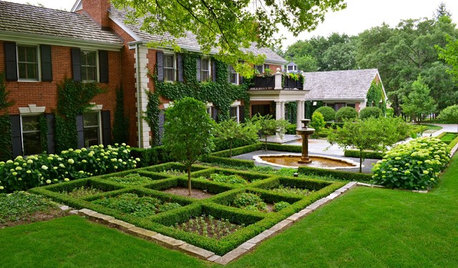
GARDENING GUIDESBoxwood: Still Shape-Shifting After 350 Years
Wild or mild, the humble boxwood still brings style and order to all kinds of gardens
Full Story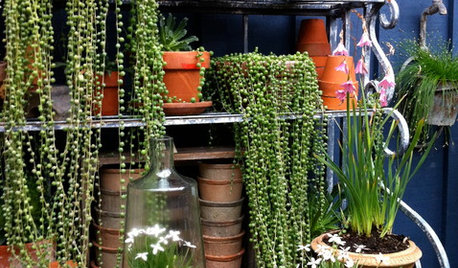
HOUSEPLANTSCascading Succulents Bring Fun Shapes to Your Indoor Garden
For eye-catching spillers with delicate beauty and minimal needs, it's hard to beat these 2 trailing houseplants
Full Story
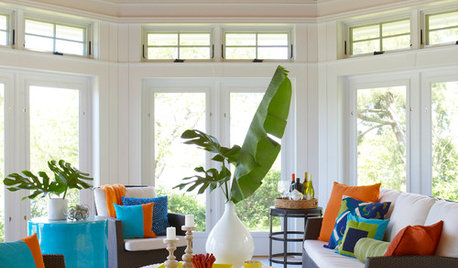
TROPICAL STYLEEasy Decorating: Turn Over a New, Tropical Leaf
Toss a palm frond in a vase or gather a whole bouquet — fresh or preserved tropical leaves bring on the exotic with almost no effort
Full Story
DECORATING GUIDESSpotted! Decorating Schemes Turn Over a New Leaf
Think big when it comes to bringing the outside in via tropical leaf prints
Full Story
ARCHITECTURETry a Four-Leaf Design That Spans the Ages
No one's sure exactly what the quatrefoil represents, but its striking effect in all kinds of designs is certain
Full Story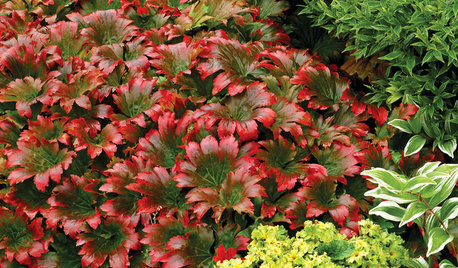
RED FOLIAGEGreat Design Plant: Red-Leafed Mukdenia
Creamy white blossoms give way to splashes of scarlet with this energetic, dramatic ground cover
Full Story
Sponsored


mr_subjunctive
rhizo_1 (North AL) zone 7
Related Professionals
Bowling Green Landscape Architects & Landscape Designers · Columbia Landscape Architects & Landscape Designers · Saginaw Landscape Architects & Landscape Designers · Eau Claire Landscape Architects & Landscape Designers · Macon Landscape Contractors · Alexandria Landscape Contractors · Jacksonville Landscape Contractors · Peoria Landscape Contractors · Pocatello Landscape Contractors · Sedalia Interior Designers & Decorators · Elk City Interior Designers & Decorators · Newport News Interior Designers & Decorators · Kirksville Interior Designers & Decorators · Concord Interior Designers & Decorators · Minot Interior Designers & Decorators