

Naturally Occurring GMOs
13 years ago
Sort by:Oldest
Comments (9)
Related Stories
LANDSCAPE DESIGNFollow Nature’s Lead for Artful Stacked Stones
Surprise and delight in the landscape with rock formations resembling wildland hoodoos and cairns
Full Story
DECORATING GUIDESNature’s Color Wisdom: Lessons on Pink From the Great Outdoors
Leave your assumptions about pink at the princess playhouse door. Head outside instead for shades from shocking to subtle
Full Story
KITCHEN DESIGN2012 Color Trends: Natural Purples for Kitchen and Bath
Hot now: Purples swiped from dusky sunsets and wildflowers
Full Story
LANDSCAPE DESIGNNatural Swimming Pools: More Beauty, No Chemicals
Keep your skin and the environment healthy with a pool that cleans itself, naturally
Full Story
URBAN GARDENSGardeners Champion Nature's Cause in the City
Garden advocates and artists in San Francisco have joined forces to find creative ways to bring nature back into the urban landscape
Full Story
LANDSCAPE DESIGNMoss: Nature’s Carpet for the Garden
Learn how to grow and use this ancient and mysterious natural wonder for delightful texture in the landscape
Full Story
GARDENING AND LANDSCAPING10 Great Ways to Unplug and Tune In to Nature
Whether you pledge to camp out or just promise yourself a stroll, these ideas will help you heed the call of the outdoors
Full Story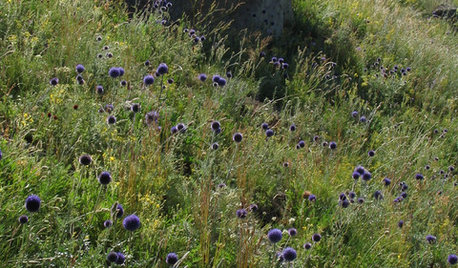
GRASSESLet Nature Inspire Your Landscape: Grasslands to Garden
Don't struggle with trying to artfully match flowers and grasses for a garden design — just look to the source
Full Story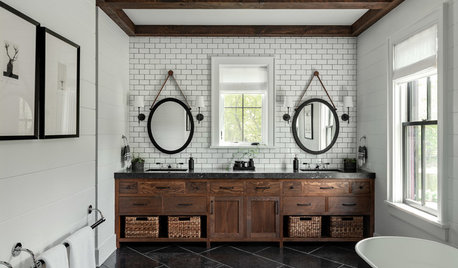
BATHROOM DESIGNBathroom Workbook: 7 Natural Stones With Enduring Beauty
Not everyone wants a marble bath. Bring organic warmth to counters, walls or floors with these hard-wearing alternatives
Full Story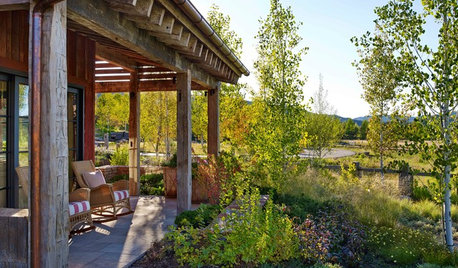
EVENTSSee 5 Colorado Landscapes That Blend Nature With Artistry
These Denver and Aspen gardens — part of the Cultural Landscape Foundation’s Garden Dialogues series — embrace their larger environments
Full Story
albert_135 39.17°N 119.76°W 4695ft.
wayne_5 zone 6a Central Indiana
Related Professionals
St. Louis Landscape Architects & Landscape Designers · Longview Landscape Architects & Landscape Designers · Carson City Landscape Architects & Landscape Designers · Coeur d'Alene Landscape Architects & Landscape Designers · Gaithersburg Landscape Contractors · Philadelphia Landscape Contractors · Norfolk Landscape Contractors · Elmira Landscape Contractors · Olean Landscape Contractors · Vidalia Architects & Building Designers · Salisbury Architects & Building Designers · Fergus Falls Architects & Building Designers · Beatrice Architects & Building Designers · Erie Architects & Building Designers · Pierre Architects & Building DesignersRpR_
Kimmsr
UserOriginal Author
TheMasterGardener1
User
albert_135 39.17°N 119.76°W 4695ft.
User