

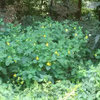
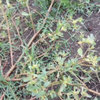
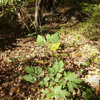
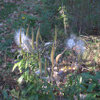
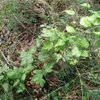
trying again - unknown flower/weed
18 years ago
Sort by:Oldest
Comments (18)
Related Stories
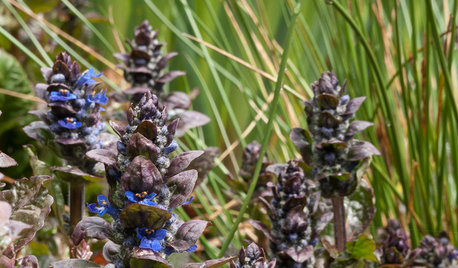
GARDENING GUIDESGreat Design Plant: Bugle Weed, a Quick Ground Cover
It’s highly adaptable, suppresses weeds, reduces erosion and provide weeks of bright flowers. Just watch for invasiveness
Full Story
EDIBLE GARDENSNatural Ways to Get Rid of Weeds in Your Garden
Use these techniques to help prevent the spread of weeds and to learn about your soil
Full Story
GARDENING GUIDES5 Things to Know About Weeding and Mulching Your Native Garden
What’s the best time to pull weeds? How thick should the mulch be? Here’s the scoop for a healthy landscape
Full Story
GARDENING GUIDESLet's Weed Out 4 Native Plant Myths
Plant wisely for a garden that supports pollinators and requires less work
Full Story
DECORATING GUIDESHemp, Hemp, Hooray! This Superplant May Be Legal Again in the USA
Hemp products are durable, sustainable, antibacterial and much more. Will the plant finally get the status it’s due in the States?
Full Story
GARDENING GUIDES15 Ideas to Try in Your Garden This Year
These gardening stories were tops among Houzz readers. Which ideas might you try this year?
Full Story
PLANTING IDEASWant a More Colorful, Natural Garden? Try a Perennial Meadow
Spend less time tending and more time taking in the sights by improving on Victorian and prairie garden designs
Full Story
LANDSCAPE DESIGNTry Slow Gardening for Some Unexpected Benefits
Why set your garden on the fast track? Here's how to relax and enjoy it in an entirely new way
Full Story
GARDENING GUIDES9 Self-Seeders Capture Chelsea Flower Show Magic
Give your garden show-worthy style with these plants beloved by top designers
Full Story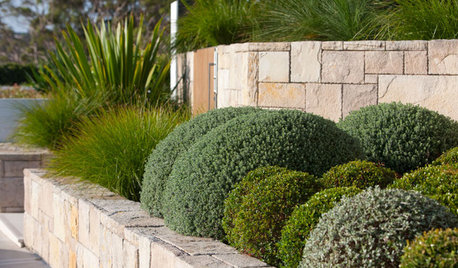
LANDSCAPE DESIGNBoxwood Alternatives Bring the Chelsea Flower Show to You
Don’t let box blight limit your plans to borrow garden design ideas from the renowned British event
Full Story
nurserymanager
Embothrium
Related Professionals
Springfield Landscape Architects & Landscape Designers · Muskegon Landscape Architects & Landscape Designers · Rochester Landscape Architects & Landscape Designers · Santa Maria Landscape Architects & Landscape Designers · Amarillo Landscape Architects & Landscape Designers · Coeur d'Alene Landscape Architects & Landscape Designers · Pullman Landscape Architects & Landscape Designers · Port Saint Lucie Landscape Contractors · Columbia Landscape Contractors · Anniston Landscape Contractors · Alexandria Landscape Contractors · Decatur Stone, Pavers & Concrete · Houston Stone, Pavers & Concrete · Cleveland Stone, Pavers & Concrete · Sarnia Stone, Pavers & Concretenaturegirl_2007 5B SW Michigan
Embothrium
fatamorgana2121
flora_uk
greenclaws UK, Zone 8a
jeanne
Embothrium
jeanne
tyrlych
greenclaws UK, Zone 8a
remy_gw
fatamorgana2121
ken_adrian Adrian MI cold Z5
tyrlych
GingerBlue
flora_uk