

Two where there should be one.
14 years ago
Sort by:Oldest
Comment (1)
Related Stories
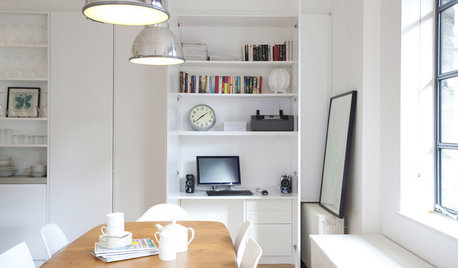
HOME OFFICESA Nice Little Desk Just Where You Want One
Do you have a desk area hiding in plain sight? These stylish work perches give rooms extra purpose
Full Story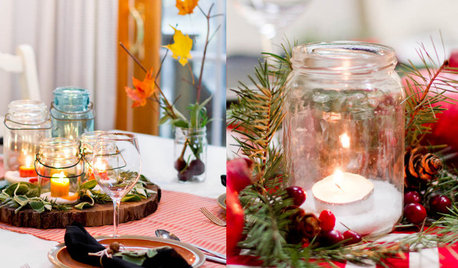
HOLIDAYSOne Table, Two Holiday Settings
Take your dining table from fall to winter with one basic setup and natural decor you may already have
Full Story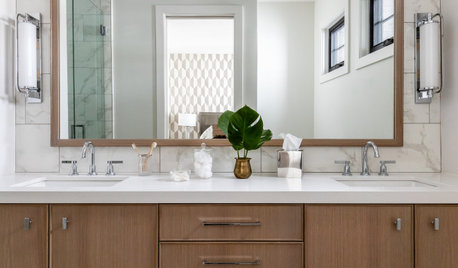
BATHROOM VANITIESShould You Have One Sink or Two in Your Primary Bathroom?
An architect discusses the pros and cons of double vs. solo sinks and offers advice for both
Full Story
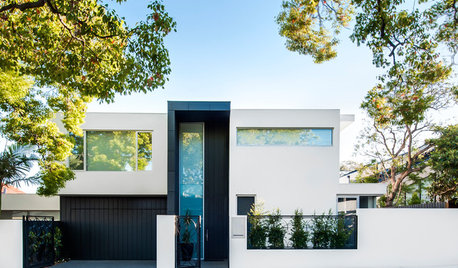
HOMES AROUND THE WORLDHouzz Tour: When Two Houses Are Better Than One
Subdividing a Melbourne backyard opens up space to build a second home on this family's property
Full Story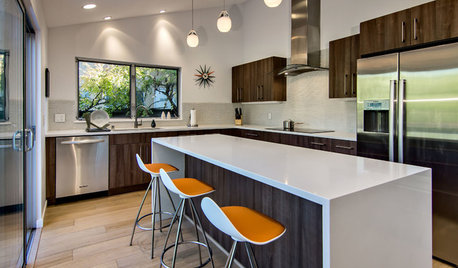
REMODELING GUIDESWhere to Splurge, Where to Save in Your Remodel
Learn how to balance your budget and set priorities to get the home features you want with the least compromise
Full Story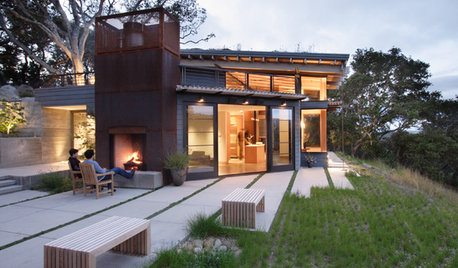
HOUZZ TOURSTwo Homes, Two Tributes to Dad
Father-son relationships shape the design of cherished family homes
Full Story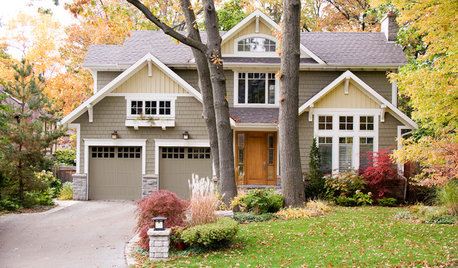
EXTERIOR COLORDynamic Duo: How to Pull Off a Two-Tone Exterior Color Scheme
Why stick to one main house color if you can easily and beautifully combine two?
Full Story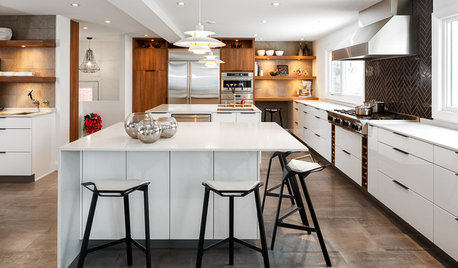
KITCHEN DESIGNKitchen of the Week: Cooking for Two in Ontario
Three small rooms become one large kitchen, so an Ottawa couple can cook side by side and entertain
Full Story

Sponsored
ginnibug
Related Professionals
Houma Landscape Architects & Landscape Designers · Baltimore Landscape Architects & Landscape Designers · Vineland Landscape Architects & Landscape Designers · Myrtle Beach Landscape Architects & Landscape Designers · Sioux City Landscape Architects & Landscape Designers · Canton Landscape Architects & Landscape Designers · Mission Viejo Landscape Architects & Landscape Designers · Bronx Landscape Architects & Landscape Designers · Marietta Landscape Contractors · Enid Landscape Contractors · Enid General Contractors · Beckley General Contractors · Mason City General Contractors · Santa Barbara General Contractors · Santa Maria General Contractors