

Will different rootstock make a difference with these Austins?
18 years ago
Sort by:Oldest
Comments (10)
Related Stories

MOST POPULAR8 Little Remodeling Touches That Make a Big Difference
Make your life easier while making your home nicer, with these design details you'll really appreciate
Full Story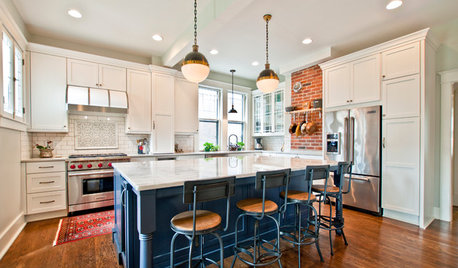
KITCHEN DESIGNKitchen Combo to Try: Neutral Cabinets, Different-Colored Island
Avoid a too-sterile look and establish a focal point with a contrasting island hue
Full Story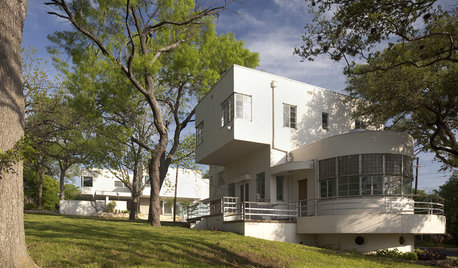
ARCHITECTUREModern or Contemporary: What's the Difference?
10 homes illustrate the essence of modern and contemporary home design styles
Full Story
COLORFUL HOMESHouzz Tour: A Home of a Different Color
An interior designer infuses a Colorado home with daring and drama
Full Story
HOUZZ TOURSMy Houzz: An Art-Filled Austin Home Has Something to Add
Can a 90-square-foot bump-out really make that much difference in livability? The family in this expanded Texas home says absolutely
Full Story
ROOM OF THE DAYRoom of the Day: Making Way for a New Life in Austin
With cancer behind her, a Texas homeowner gets rid of boxes and clutter in her living room too
Full Story
ARCHITECTUREWhat’s Fueling Austin’s Edgy Modern Architecture?
A look at the blossoming design scene in Texas’ capital city — and what’s behind all the experimentation
Full Story
ECLECTIC HOMESHouzz Tour: Problem Solving on a Sloped Lot in Austin
A tricky lot and a big oak tree make building a family’s new home a Texas-size adventure
Full Story
HOUZZ TOURSHouzz Tour: Textured Concrete Studio in Texas
Heavy on the outside but light and bright on the inside, this Austin studio shows different faces depending on the daylight and angle
Full Story
HOUZZ TOURSHouzz Tour: Minimal and Soothing in Austin
Modern design creates a surprising enclave within a more traditional development
Full Story


jerijen
rjlinva
Related Professionals
Somerset Landscape Architects & Landscape Designers · Beaumont Landscape Architects & Landscape Designers · San Antonio Landscape Architects & Landscape Designers · Stamford Landscape Architects & Landscape Designers · Colorado Springs Landscape Architects & Landscape Designers · Atlanta Landscape Contractors · Cape Girardeau Landscape Contractors · Springfield Landscape Contractors · Bridgeport Landscape Contractors · Bakersfield Landscape Contractors · Billings Landscape Contractors · Selma Home Builders · Manhattan Home Builders · Glenwood Springs Home Builders · Bozeman Home Buildersmalcolm_manners
ceterum
ingrid_vc so. CA zone 9
diane_nj 6b/7a
ingrid_vc so. CA zone 9
mghamilton
jerijen
lemecdutex