

Stratifying to plant inside
20 years ago
Sort by:Oldest
Comments (11)
Related Stories
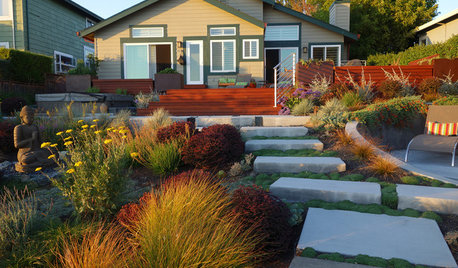
INSPIRING GARDENSInside Houzz: A Waterfront Property Ditches the Grass for a Garden
New drought-tolerant plantings and outdoor gathering spaces help this California backyard take in the view without wasting space or water
Full Story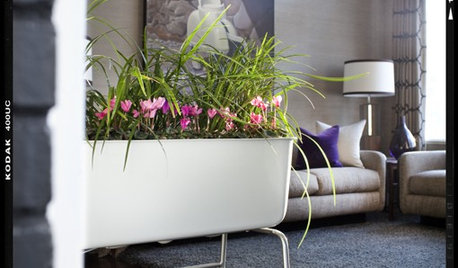
URBAN GARDENSIndoor Gardens: Duplicate Nature Inside
Bring the garden indoors and enjoy the calming beauty of plants all year long
Full Story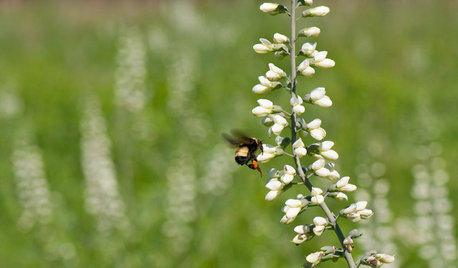
GARDENING GUIDESGreat Design Plant: Please Bumblebees by Planting Baptisia Lactea
Plant wild white indigo in central and southeastern U.S. gardens for its large white flower heads and early-spring interest
Full Story
GARDENING GUIDESGreat Design Plant: Slipper Plant
Unthirsty succulent looks great all year and offers an unexpected surprise in fall
Full Story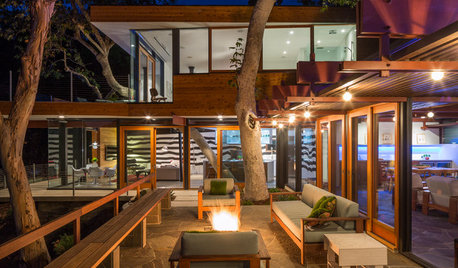
TREESHow to Use Trees Inside
Bring nature close by integrating the beauty of trunks and trees — even smaller leafy trees — into your home
Full Story
The Joy of Spring: Bring the Outside Inside
Add to Your Design With Nature's Colors, Textures, Light and Life
Full Story
INSIDE HOUZZInside Houzz: New Data Offer Insights on Landscaping Trends
Homeowners are looking to manage water and add more enjoyment to their landscapes, according to a new Houzz survey
Full Story
GROUND COVERSNative Alternatives to English Ivy, Japanese Pachysandra and Periwinkle
These shade-loving ground covers are good for the environment and say something about where you are
Full Story
LANDSCAPE DESIGNInside Houzz: Soft Geometry in a Modern Wisconsin Garden
In a city known for harsh winters, homeowners enjoy outdoor living inspired by Southern California
Full Story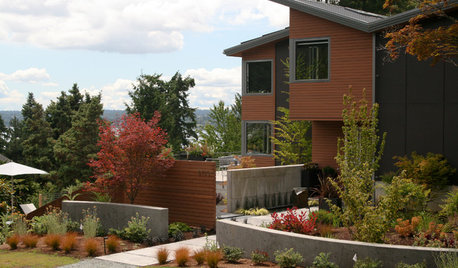
LANDSCAPE DESIGNInside Houzz: Divine Proportions Make for a Dream Landscape
Spirals based on the golden ratio give a Washington yard out-of-this-world appeal, at the hands of a designer found on Houzz
Full Story
Sponsored
innisfail
morz8 - Washington Coast
Related Professionals
Florence Landscape Architects & Landscape Designers · Waterloo Landscape Architects & Landscape Designers · Amherst Landscape Architects & Landscape Designers · Lansing Landscape Architects & Landscape Designers · Mission Viejo Landscape Architects & Landscape Designers · Evansville Landscape Contractors · Owensboro Landscape Contractors · Poplar Bluff Landscape Contractors · Williamsburg Landscape Contractors · Seattle Landscape Contractors · Fredericksburg Architects & Building Designers · Mankato Architects & Building Designers · Sheboygan Architects & Building Designers · Ontario Architects & Building Designers · Cheyenne Architects & Building Designershappyhoe
calistoga_al ca 15 usda 9
happyhoe
nicolenanette
paulallen
morz8 - Washington Coast
albert_135 39.17°N 119.76°W 4695ft.
morz8 - Washington Coast
nyssaman