

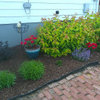
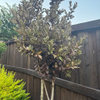
what the heck happened??
19 years ago
Sort by:Oldest
Comments (4)
Related Stories
ARCHITECTUREWhat the Heck Is 'Good' Design Anyway?
We yearn for it and strive for it, but good home design isn't always easy to grasp. These 8 prescriptions from an architect can help
Full Story
HOUSEKEEPINGHow to Clean a Glass Shower Door
See which tools and methods will keep those glass shower walls and doors sparkling clean
Full Story
TASTEMAKERSNew Series to Give a Glimpse of Life ‘Unplugged’
See what happens when city dwellers relocate to off-the-grid homes in a new show premiering July 29. Tell us: Could you pack up urban life?
Full Story
If the Black Swan Had Different Sets....
Design Eye on the Oscars: What If Nina Had More Symmetry and Better Light?
Full Story
BATHROOM DESIGNPowder Room Essentials to Keep Guests Happy
Set out these bathroom necessities (hello, hand towels) to make your company comfortable and your parties run smoothly
Full Story
FUN HOUZZHouzz Announces 3D Furniture Printing
This amazing new technology promises to revolutionize the home furnishings industry. Here's how it works
Full Story
GARDENING GUIDESSummer Crops: How to Grow Peppers
Some like 'em hot; others like them sweet. With the incredible range of peppers available for home gardens, you can have your pick
Full Story
GARAGESHouzz Call: How Do You Put Your Garage to Work for Your Home?
Cars, storage, crafts, relaxing ... all of the above? Upload a photo of your garage and tell us how it performs as a workhorse
Full Story
GARDENING GUIDESSweet Serendipity: Opening to Happy Garden Discoveries
Unplanned nature scenes can be unbelievably beautiful; you just need to know how to look
Full Story

laceyvail 6A, WV
phyl345Original Author
Related Professionals
Cape Coral Landscape Architects & Landscape Designers · South Bend Landscape Architects & Landscape Designers · Billings Landscape Architects & Landscape Designers · Brunswick Landscape Contractors · Louisville Landscape Contractors · Atlantic City Landscape Contractors · Mankato Landscape Contractors · Chico Landscape Contractors · Eugene Landscape Contractors · Ottawa Landscape Contractors · Bronx Landscape Contractors · El Dorado Home Builders · Dallas Home Builders · Las Cruces Home Builders · Butte Home Buildersgardengal48 (PNW Z8/9)
laceyvail 6A, WV