

Mulching Pereninial Bed
19 years ago
Sort by:Oldest
Comments (4)
Related Stories

GARDENING GUIDESNew Ways to Think About All That Mulch in the Garden
Before you go making a mountain out of a mulch hill, learn the facts about what your plants and soil really want
Full Story
GARDENING GUIDESHow to Pick a Mulch — and Why Your Soil Wants It
There's more to topdressing than shredded wood. Learn about mulch types, costs and design considerations here
Full Story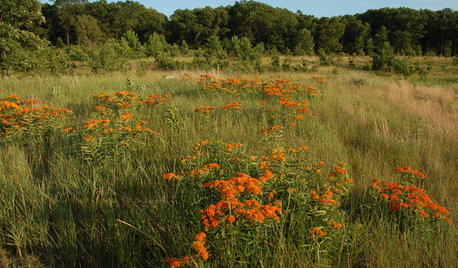
GARDENING GUIDESThe Art of Green Mulch
You can design a natural garden that doesn’t rely on covering your soil with wood and bark mulch
Full Story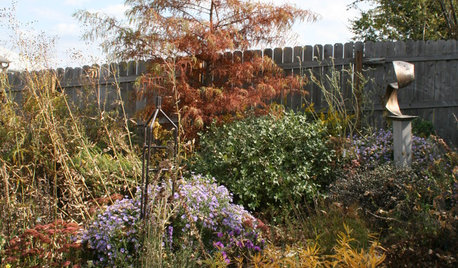
REGIONAL GARDEN GUIDESCentral Plains Gardener's October Checklist
Fall foliage color and crisp mornings, plus mulching beds and planting spring bulbs, make October a gardener's heaven
Full Story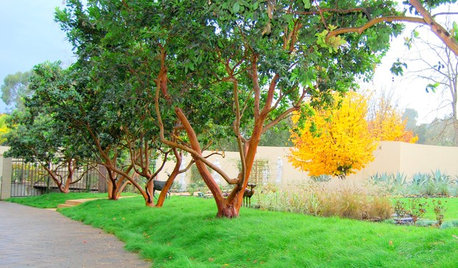
GARDENING GUIDESGarden Myths to Debunk as You Dig This Fall and Rest Over Winter
Termites hate wood mulch, don’t amend soil for trees, avoid gravel in planters — and more nuggets of garden wisdom
Full Story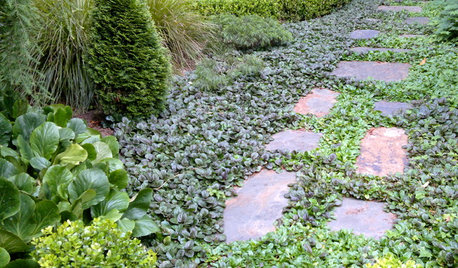
GROUND COVERSGround Force: 10 Top Ground Covers for Your Garden
Protect your soil from weeds and drought this summer with a living mulch of ground covers
Full Story
GARDENING GUIDESCentral Plains Gardener's November Checklist
Mulching, seeding, feeding — several small tasks to ensure a winter of activity, and a good spring start.
Full Story
GARDENING GUIDESTexas Gardener's November Checklist
Planting and protecting are top priorities in the garden this month, so master the mulch and get those trees and shrubs in the ground
Full Story0
GARDENING GUIDESSoutheast Gardener's May Checklist
Bask in the blooms and mind your mulch this month; summer means lots to savor and lots to do in the garden
Full Story
GARDENING GUIDES8 Materials for Raised Garden Beds
Get the dirt on classic and new options for raised vegetable and plant beds, to get the most from your year-round garden
Full Story

tjsangel
porkchop_z5b_MI
Related Professionals
Johnson City Landscape Architects & Landscape Designers · Plainfield Landscape Architects & Landscape Designers · Harrisburg Landscape Architects & Landscape Designers · Monroe Landscape Architects & Landscape Designers · Miami Landscape Contractors · Newburyport Landscape Contractors · Hilo Landscape Contractors · Bloomington Home Builders · Lafayette Home Builders · Natchitoches Home Builders · Barnstable Home Builders · Lebanon Home Builders · Plattsburgh Home Builders · Kingman Home Builders · Toronto Home Buildersleslie197
hostaholic2 z 4, MN