

Using peat bales for containers?
15 years ago
Sort by:Oldest
Comments (5)
Related Stories

FARM YOUR YARDHow to Grow Vegetables in Containers
Get glorious vegetables and fruits on your patio with a pro’s guidance — including his personal recipe for potting mix
Full Story
CONTAINER GARDENSBeat the Frost With Natural Terra-Cotta Containers
Here's how to protect your pots during the cold winter months
Full Story
CONTAINER GARDENSContainer Gardening Basics: The Dirt on Soil
Learn the types of potting soil available and the best mixes to help your containers thrive
Full Story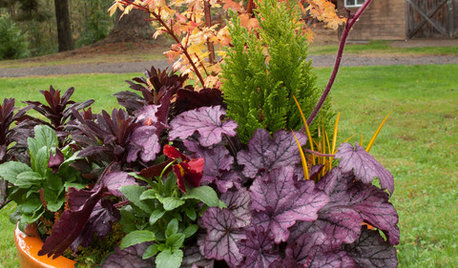
FALL AND THANKSGIVING5 Container Gardens for Fall, the Holidays and Beyond
Make planting easy with a single container, year-round plants and a sprinkling of simple seasonal accents
Full Story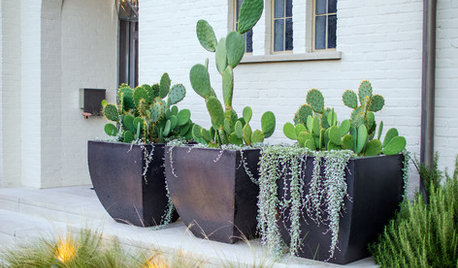
CONTAINER GARDENSCactus and Succulent Containers Are Ideal for Hot, Sunny Spots
Bring on the sun with these heat-loving succulent container gardens
Full Story
GREEN BUILDINGWhy You Might Want to Build a House of Straw
Straw bales are cheap, easy to find and DIY-friendly. Get the basics on building with this renewable, ecofriendly material
Full Story
GREEN BUILDING11 Reasons to Live in a House of Straw
Don’t be fooled by the old folk tale. Straw bales are a strong, functional and good-looking building material
Full Story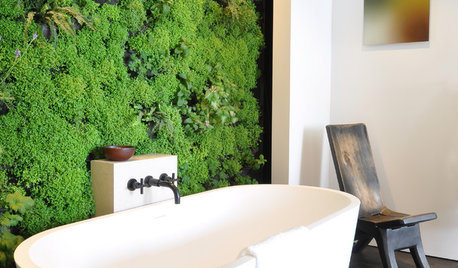
HOUSEPLANTSBaby Tears Mimics Moss for a Green Accent Indoors
This adaptable spreader thrives in water or soil, making it a terrific addition to containers and living walls
Full StoryGARDENING GUIDES8 Materials for Raised Garden Beds
Get the dirt on classic and new options for raised vegetable and plant beds, to get the most from your year-round garden
Full Story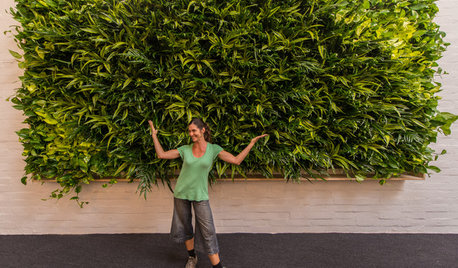
HOUSEPLANTSHow to Add a Living Wall
Learn how to choose systems and plants, and what it will cost to bring a bit of the outdoors in or green up a garden wall
Full StorySponsored

Columbus Design-Build, Kitchen & Bath Remodeling, Historic Renovations
tapla (mid-Michigan, USDA z5b-6a)
kurt_in_swOriginal Author
Related Professionals
DeRidder Landscape Architects & Landscape Designers · Newburyport Landscape Architects & Landscape Designers · Potsdam Landscape Architects & Landscape Designers · Canton Landscape Architects & Landscape Designers · Rapid City Landscape Architects & Landscape Designers · London Landscape Architects & Landscape Designers · Florence Landscape Contractors · Murfreesboro Landscape Contractors · Norfolk Landscape Contractors · Binghamton Landscape Contractors · Saint George Landscape Contractors · Mobile Stone, Pavers & Concrete · Nashville Stone, Pavers & Concrete · Spring Stone, Pavers & Concrete · Santa Rosa Stone, Pavers & Concretehamiltongardener
User
kurt_in_swOriginal Author