

Rotting stacked sod
19 years ago
Sort by:Oldest
Comments (5)
Related Stories
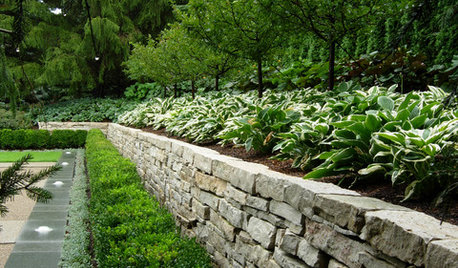
LANDSCAPE DESIGNGarden Walls: Dry-Stacked Stone Walls Keep Their Place in the Garden
See an ancient building technique that’s held stone walls together without mortar for centuries
Full Story
GARDENING GUIDESHow to Prep Your Ground for a Healthy New Lawn
Seed or sod that falls on weedy, lumpy soil is a wasted effort. Follow these steps to ensure that your new lawn will thrive
Full Story
FEEL-GOOD HOME21 Ways to Waste Less at Home
Whether it's herbs rotting in the fridge or clothes that never get worn, most of us waste too much. Here are ways to make a change
Full Story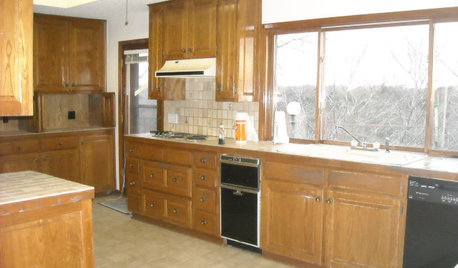
GREEN BUILDINGHow to Recycle Your Kitchen
Instead of adding to the junk pile — and paying landfill fees — get rid of old appliances, cabinets and countertops the ecofriendly way
Full Story
HOUZZ TOURSHouzz Tour: Artful and Efficient in Austin
Visit a home that glows with local materials, thoughtful design, heritage trees and Moontowers
Full Story
ARCHITECTUREDesign Workshop: The Modern Dogtrot
Some surprising facts and new twists on this utilitarian favorite
Full Story
FIREPLACESUpdated Woodstoves Keep Home Fires Burning
Better technology means more efficiency than ever for modern woodstoves
Full Story
FARM YOUR YARDHow to Build a Raised Bed for Your Veggies and Plants
Whether you’re farming your parking strip or beautifying your backyard, a planting box you make yourself can come in mighty handy
Full Story
CURB APPEALThe Cure for Houzz Envy: Great Front Facade Touches to Borrow
Pull up to a better view and make visitors feel welcome by perking up your home’s face
Full Story
VACATION HOMESHouzz Tour: Reviving a Farmhouse in California’s Wine Country
A rickety 1800s home gets a more contemporary look and layout, becoming an ideal weekend retreat
Full Story
Kimmsr
pablo_nh
Related Professionals
Fort Smith Landscape Architects & Landscape Designers · Middletown Landscape Architects & Landscape Designers · Oxnard Landscape Architects & Landscape Designers · Rocky Mount Landscape Contractors · San Marcos Landscape Contractors · Cleveland Landscape Contractors · Toledo Landscape Contractors · Monroe Landscape Contractors · Sierra Vista Landscape Contractors · Fresno Landscape Contractors · Queens Landscape Contractors · Hilton Head Island Stone, Pavers & Concrete · Dallas Stone, Pavers & Concrete · Brattleboro Stone, Pavers & Concrete · Provo Stone, Pavers & ConcretenygardenerOriginal Author
mfm_seattle
pablo_nh