

Gardening
15 years ago
Sort by:Oldest
Comment (1)
Related Stories
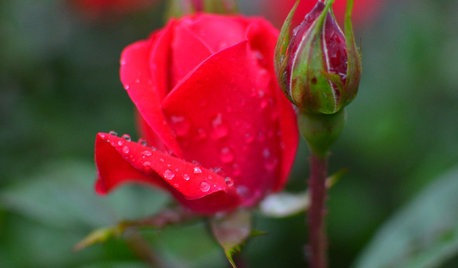
GARDENING GUIDESGreat Design Plant: Knock Out Roses
As glorious as their high-maintenance kin for a fraction of the work, Knock Out roses make even beginners look like garden stars
Full Story
GARDENING GUIDESGreat Design Plant: Milkweed
Quit cringing. This not-weed plant is a sight to behold in the garden, has a delicious vanilla scent and is a magnet for butterflies
Full Story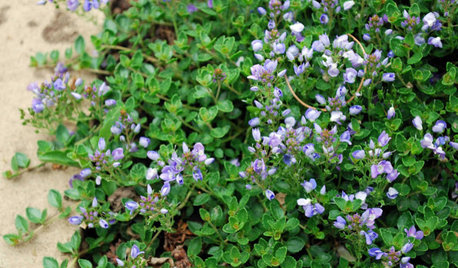
GARDENING GUIDESGreat Design Plant: Veronica
Consider adaptable Veronica, or speedwell, for its colorful blooms, butterfly-drawing power and low maintenance requirements
Full Story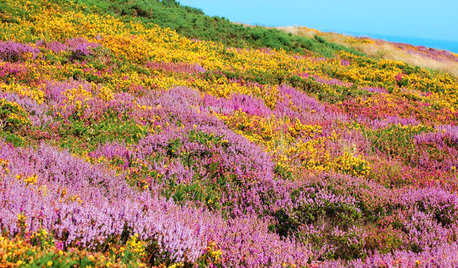
GARDENING FOR BUTTERFLIESGreat Design Plant: Scotch Heather
The moors aren't all moody, as this prettily colored evergreen shrub proves. Plant it en masse for an epic romance in your own garden
Full Story
GARDENING AND LANDSCAPINGGreat Design Plant: Bald Cypress
Enjoy this beautiful tree's feathery foilage, fall color and tolerance of wet and dry soils
Full Story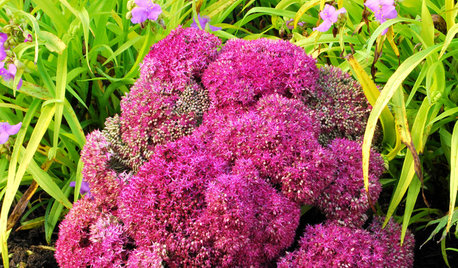
GARDENING GUIDESGreat Design Plant: Sedum (Stonecrop)
Terrific at filling gaps and in a wide range of colors and shapes, sedum is a problem solver in the garden
Full Story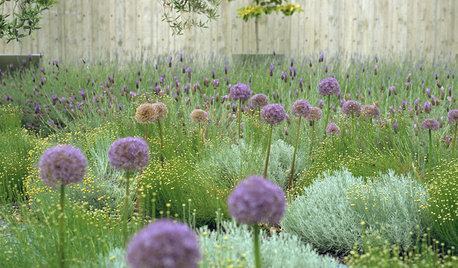
GARDENING GUIDESGreat Design Plant: Ornamental Allium
Lollipop blooms on tall, leafless stems add an architectural element to gardens of all styles
Full Story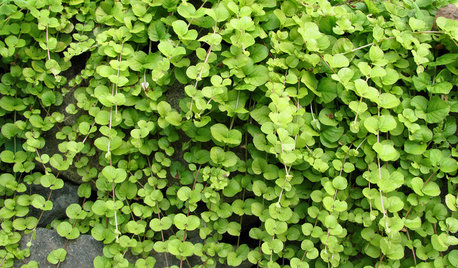
GARDENING AND LANDSCAPINGGreat Design Plant: Golden Creeping Jenny
Try this fast-growing ground cover for easy masses of gold and green in the garden
Full Story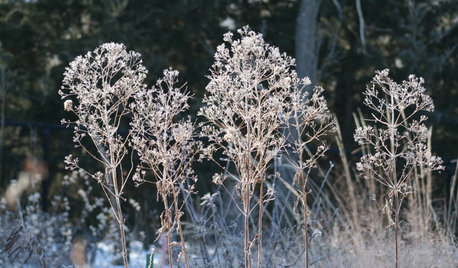
WINTER GARDENING10 Native Wildflowers to Beautify Your Winter Garden
They stand strong in wind, feed wildlife and are easy to grow. But you may want to add these plants for their looks alone
Full Story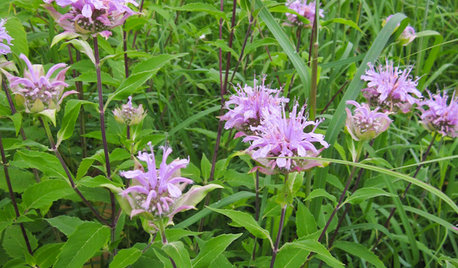
NATIVE PLANTSGreat Design Plant: Wild Bergamot, Friend of Foragers
Nourish butterflies and other winged creatures with the tubular flowers of Monarda fistulosa, a pretty pink native
Full Story
sammy zone 7 Tulsa
Related Professionals
Richmond Landscape Architects & Landscape Designers · Aberdeen Landscape Architects & Landscape Designers · York Landscape Architects & Landscape Designers · Charlottesville Landscape Architects & Landscape Designers · Moline Landscape Architects & Landscape Designers · Minneapolis Landscape Architects & Landscape Designers · Medford Landscape Architects & Landscape Designers · Birmingham Landscape Contractors · Baltimore Landscape Contractors · Oklahoma City Landscape Contractors · Charlottesville Landscape Contractors · Albany Landscape Contractors · Oneonta Landscape Contractors · Sierra Vista Landscape Contractors · Saint George Home Builders