

Bark in the mix!
15 years ago
Sort by:Oldest
Comments (6)
Related Stories
GARDENING GUIDESThe Art of Green Mulch
You can design a natural garden that doesn’t rely on covering your soil with wood and bark mulch
Full Story
GARDENING GUIDESGreat Design Plant: Crape Myrtle
With long-lasting blooms and gorgeous exfoliating bark, this ornamental tree brings bright color and a unique form to the landscape
Full Story
DREAM SPACESGreat Escape: A Tiny, Off-the-Grid Hideout in the California Woods
Covered in bark and topped by a living roof, this 90-square-foot retreat hides on its California hillside
Full Story
GARDENING GUIDESGreat Design Plant: Paperbark Maple
With fall foliage like a sunset and bark the color of cinnamon, this tree is a highlight of the landscape
Full Story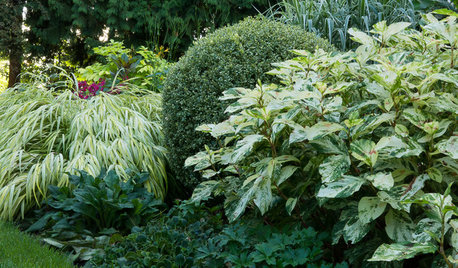
PLANTING IDEASGreat Garden Combo: Play With Foliage Patterns in a Border
Splashes, spots and stripes: Confidently mix things up in your border planting with our 4-step recipe
Full Story
CONTAINER GARDENSContainer Gardening Basics: The Dirt on Soil
Learn the types of potting soil available and the best mixes to help your containers thrive
Full Story
GARDENING AND LANDSCAPINGBuild a Raised Bed to Elevate Your Garden
A bounty of homegrown vegetables is easier than you think with a DIY raised garden bed to house just the right mix of soils
Full Story
BARN HOMESHouzz Tour: An Old Dairy Gets a Contemporary Twist
Soothing neutrals and a mix of old and new transform a dilapidated Suffolk dairy into an elegant home
Full Story
NORTHEAST GARDENINGNortheast Gardener's December Checklist
Wildlife and evergreens provide plenty of winter interest, but barer views offer their own benefits for gardens
Full Story
BROWNColor Guide: How to Work With Brown
It's all over nature and the decorating world too. From light latte to dark walnut, there's a brown for everyone
Full Story
TheMasterGardener1Original Author
tapla (mid-Michigan, USDA z5b-6a)
Related Professionals
Lafayette Landscape Architects & Landscape Designers · Southaven Landscape Architects & Landscape Designers · Aurora Landscape Architects & Landscape Designers · Greenfield Landscape Architects & Landscape Designers · Lebanon Landscape Architects & Landscape Designers · Las Cruces Landscape Architects & Landscape Designers · Port Saint Lucie Landscape Contractors · New Orleans Landscape Contractors · Clearlake Landscape Contractors · Anchorage Landscape Contractors · Lake City Stone, Pavers & Concrete · Belleville Stone, Pavers & Concrete · Toms River Stone, Pavers & Concrete · Williamsburg Stone, Pavers & Concrete · Cowansville Stone, Pavers & ConcreteTheMasterGardener1Original Author
TheMasterGardener1Original Author
tapla (mid-Michigan, USDA z5b-6a)
TheMasterGardener1Original Author