

Soil versus Potting Mix
19 years ago
Sort by:Oldest
Comments (3)
Related Stories

CONTAINER GARDENSContainer Gardening Basics: The Dirt on Soil
Learn the types of potting soil available and the best mixes to help your containers thrive
Full Story
FARM YOUR YARDHow to Get Good Soil for Your Edible Garden
The nutrients in your soil feed the plants that feed you. Here are tips on getting it right — just in time for planting season
Full Story
GARDENING GUIDESThe Poop Scoop: Enrich Your Soil With Good Old Manure
Get over the ick factor already — this natural super-ingredient for soil has so many benefits, you'll wonder why you ever went chemical
Full Story
GARDENING GUIDESHow to Stop Worrying and Start Loving Clay Soil
Clay has many more benefits than you might imagine
Full Story
GARDENING GUIDES10 Solutions for Soggy Soil
If a too-wet garden is raining on your parade, try these water-loving plants and other ideas for handling all of that H2O
Full Story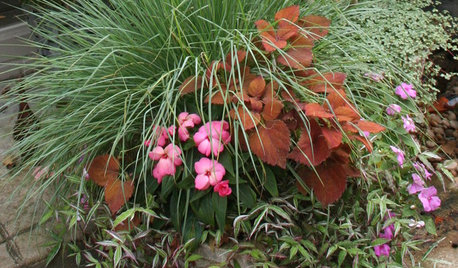
CONTAINER GARDENSContainer Garden Basics: Mix Textures to Catch the Eye
A mix of textures makes for potted gardens where each plant has a special role to play
Full Story
SPRING GARDENINGHow to Grow a Rose Garden in Pots
Everything can come up roses, even without a plot of soil in sight. This step-by-step guide to growing roses in containers shows you how
Full Story
GARDENING GUIDESMix or Mass Daisies for Two Great Garden Looks
The classic daisy looks equally beautiful massed in borders or mixed throughout a naturalistic planting. Which look suits your style?
Full Story
GARDENING GUIDESVegetables and Flowers Mix in Beautiful Edible Gardens
Ornamentals, meet your edible garden mates. We know you'll get along just beautifully
Full Story
CONTAINER GARDENSSolve Your Garden Border Dilemmas With Planted Pots
Set your containers free from the patio — placed among plantings in the ground, they fill unsightly gaps, let you experiment and more
Full Story
patty4150
reg_pnw7
Related Professionals
Cherry Hill Landscape Architects & Landscape Designers · Grand Rapids Landscape Architects & Landscape Designers · Yakima Landscape Architects & Landscape Designers · Clarksdale Landscape Contractors · Atlantic City Landscape Contractors · Cookeville Landscape Contractors · Aurora Landscape Contractors · Poughkeepsie Landscape Contractors · Pittsburgh Landscape Contractors · Amarillo Landscape Contractors · Portland Landscape Contractors · Bartlesville Stone, Pavers & Concrete · North Adams Stone, Pavers & Concrete · Beatrice Stone, Pavers & Concrete · Provo Stone, Pavers & Concreteesther_opal