

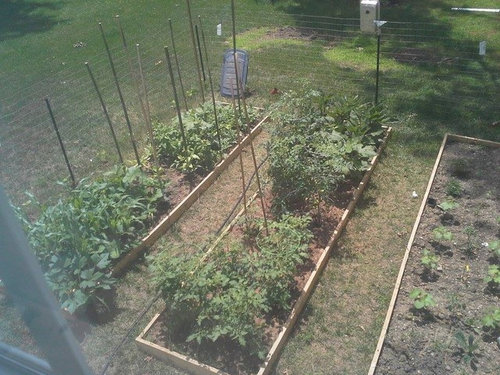
Will worms come up into compost from a compacted soil underneath?
12 years ago
Sort by:Oldest
Comments (4)
Related Stories
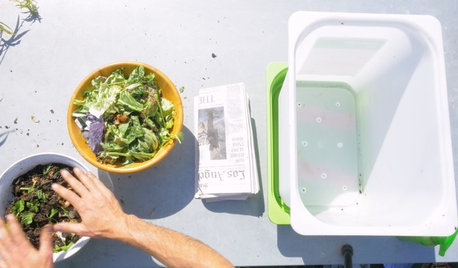
GARDENING GUIDESHouzz TV: Make a Worm Bin for Rich Soil and Happy Plants
A worm-powered compost bin that can fit under a sink turns food scraps into a powerful amendment for your garden. Here’s how to make one
Full Story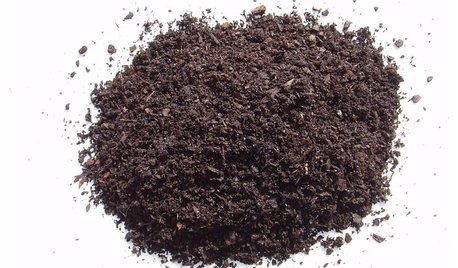
GARDENING GUIDESGet on a Composting Kick (Hello, Free Fertilizer!)
Quit shelling out for pricey substitutes that aren’t even as good. Here’s how to give your soil the best while lightening your trash load
Full Story
GARDENING GUIDESGardening Solutions for Heavy Clay Soils
What’s a gardener to do with soil that’s easily compacted and has poor drainage? Find out here
Full Story
GARDENING GUIDES10 Solutions for Soggy Soil
If a too-wet garden is raining on your parade, try these water-loving plants and other ideas for handling all of that H2O
Full Story
GARDENING GUIDESGet the Dirt on Your Garden’s Soil
Understand how your soil supports your plants so you can ensure your garden’s success
Full Story
GARDENING GUIDESHow to Pick a Mulch — and Why Your Soil Wants It
There's more to topdressing than shredded wood. Learn about mulch types, costs and design considerations here
Full Story
GARDENING GUIDESHow to Stop Worrying and Start Loving Clay Soil
Clay has many more benefits than you might imagine
Full Story
CONTAINER GARDENSContainer Gardening Basics: The Dirt on Soil
Learn the types of potting soil available and the best mixes to help your containers thrive
Full Story
CONTEMPORARY STYLEHouzz Tour: Sophistication and Style in a Compact London Flat
A dysfunctional Victorian-era apartment gets a glamorous update that reconfigures rooms and adds visual interest
Full Story
GARDENING GUIDESHow to Plant a New Lawn From Sod
Take the quick-start route to turf with sod; these installation guidelines will help ensure a healthy and long-lasting lawn
Full Story
cold_weather_is_evil
RyanC95Original Author
Related Professionals
Savannah Landscape Architects & Landscape Designers · Syracuse Landscape Architects & Landscape Designers · Altoona Landscape Architects & Landscape Designers · Wheeling Landscape Architects & Landscape Designers · Meridian Landscape Contractors · Cherry Hill Landscape Contractors · Charleston Landscape Contractors · Platteville Landscape Contractors · Odessa Landscape Contractors · Palm Bay Stone, Pavers & Concrete · Branson Stone, Pavers & Concrete · Charlotte Stone, Pavers & Concrete · Newport News Stone, Pavers & Concrete · New London Stone, Pavers & Concrete · Salt Lake City Stone, Pavers & ConcreteCHFIII
Kimmsr