

Earthworms everywhere, Nice!
14 years ago
Sort by:Oldest
Comments (2)
Related Stories
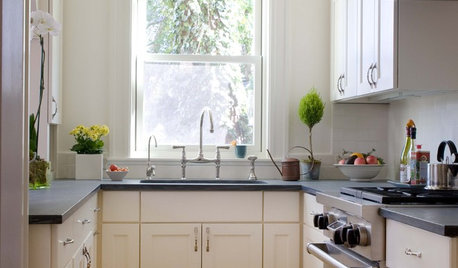
KITCHEN DESIGNLet's Toast Small Kitchens Everywhere
It's time for a tribute to the many wonderful qualities of compact kitchens — and some tips on how to plan them well
Full Story
HOME TECHNow Playing in Homes Everywhere: TV, the App
It's easier than ever to beam streaming content from mobile devices to your TV screen
Full Story
SHOP HOUZZShop Houzz: Hammocks and Swing Chairs for Everywhere
Hammocks and hanging chairs in every color of the rainbow
Full Story
WOODKnotty and Nice: Highly Textured Wood Has a Modern Revival
Whether it's cedar, fir or pine, if a wood has a knot, it's hot
Full Story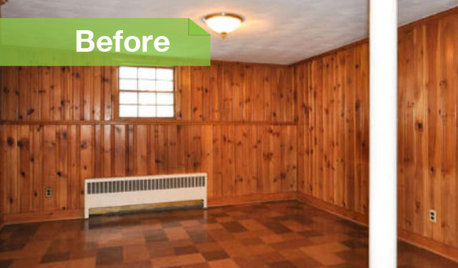
PAINTINGKnotty to Nice: Painted Wood Paneling Lightens a Room's Look
Children ran from the scary dark walls in this spare room, but white paint and new flooring put fears and style travesties to rest
Full Story
PETS6 Ways to Help Your Dog and Landscape Play Nicely Together
Keep your prized plantings intact and your dog happy too, with this wisdom from an expert gardener and dog guardian
Full Story
REMODELING GUIDESThe Good House: Little Design Details That Matter
Tailored trim, cool counters and a nice weighty door — such details add so much to how a home feels to the people inside
Full Story
BACKYARD STUDIOSMaster Builder Crafts a Dream Workshop
A design-build firm owner uses an economical building method for his large shed and finishes it off nicely to blend into the scenery
Full Story
GARDENING AND LANDSCAPING10 Ways to Open a Kitchen to the Outdoors
Have your cooking and your nice weather too, with a kitchen setup that embraces indoor-outdoor flow
Full Story
HEALTHY HOME16 Ideas for a Healthy, Feel-Good Home
Making these small tweaks and bigger shifts at home can help you thrive everywhere you go
Full Story
Laurel Zito
blazeaglory
Related Professionals
Ashland Landscape Architects & Landscape Designers · Las Vegas Landscape Architects & Landscape Designers · Decatur Landscape Contractors · Waycross Landscape Contractors · Middlesboro Landscape Contractors · Concord Landscape Contractors · Lawrence Landscape Contractors · Leominster Landscape Contractors · Merced Landscape Contractors · Palm Desert Landscape Contractors · Huntsville Stone, Pavers & Concrete · Vicksburg Stone, Pavers & Concrete · Mankato Stone, Pavers & Concrete · Marinette Stone, Pavers & Concrete · Sacramento Stone, Pavers & Concrete