

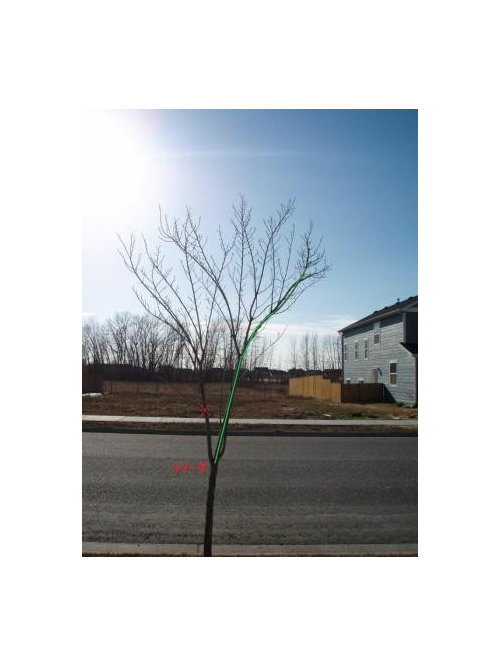
Triumph Elm Tree Pruning Question
15 years ago
Sort by:Oldest
Comments (9)
Related Stories
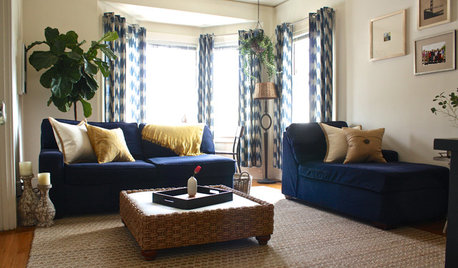
HOUZZ TOURSMy Houzz: Creative Renters Triumph Over the ‘No Paint’ Rule
Not allowed to paint and limited with nails, a design-minded couple uses furnishings and textiles to make their rooms stand out
Full Story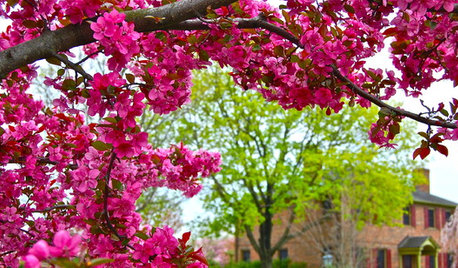
FALL GARDENING6 Trees You'll Fall For
Don’t put down that spade! Autumn is the perfect time for planting these trees
Full Story
GARDENING GUIDES5 Best-Behaved Trees to Grace a Patio
Big enough for shade but small enough for easy care, these amiable trees mind their manners in a modest outdoor space
Full Story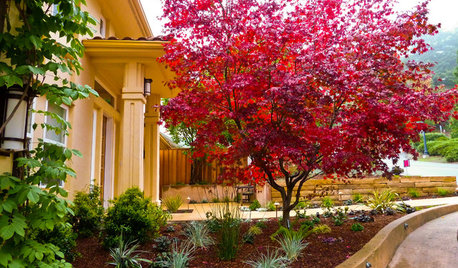
LANDSCAPE DESIGN7 Great Trees for Summer Shade and Fall Color
These landscape-pro faves straddle the seasons beautifully. Could one enhance your own yard?
Full Story
LANDSCAPE DESIGN5 Structural Plants to Frame Your Garden Beautifully
Consider these trees and shrubs live building blocks, providing structure and definition in even a small garden
Full Story
MATERIALSMesquite: The Brawny Beauty for All Over the Home
Denser than other hardwoods and sporting beautiful coloration, mesquite makes a fine material for flooring, countertops, furniture and more
Full Story
FUN HOUZZDid Elves Make a Home in a San Francisco Park?
Speculation has swirled around a Lilliputian doorway in Golden Gate Park. We give you the true story — and a design dilemma
Full Story
FALL GARDENINGHouzz Call: Show Us Your Fall Color!
Post pictures of your fall landscape — plants, leaves, wildlife — in the Comments section. Your photo could appear in an upcoming article
Full Story
EARTH DAY5 Ideas for a More Earth-Friendly Garden
Consider increasing the size of garden beds, filtering rainwater and using plants to reduce energy use
Full Story
INSPIRING GARDENSFrom Concrete Lot to Gracious Organic Garden in Seattle
Plants, pests and even weeds have a place in this landscape, which offers an edible bounty and a feast for the eyes
Full Story


Dan _Staley (5b Sunset 2B AHS 7)
ken_adrian Adrian MI cold Z5
Related Professionals
Cambridge Landscape Architects & Landscape Designers · Kahului Landscape Architects & Landscape Designers · Terre Haute Landscape Contractors · Enid Landscape Contractors · Oklahoma City Landscape Contractors · Rock Hill Landscape Contractors · Kalamazoo Landscape Contractors · Ithaca Landscape Contractors · Manhattan Landscape Contractors · Wausau Landscape Contractors · Riverside Landscape Contractors · Orangeburg Home Additions · Alexandria Home Additions · Juneau Home Additions · Salem Home AdditionsDan _Staley (5b Sunset 2B AHS 7)
TK406Original Author
Dan _Staley (5b Sunset 2B AHS 7)
TK406Original Author
ken_adrian Adrian MI cold Z5
Toronado3800 Zone 6 St Louis
Dan _Staley (5b Sunset 2B AHS 7)