

bleeding heart
19 years ago
Sort by:Oldest
Comments (9)
Related Stories

GARDENING GUIDESGreat Design Plant: Western Bleeding Heart
Delicate heart-shaped flowers belie a tough nature in this woodland spring perennial
Full Story
GARDENING GUIDESGreat Design Plant: Dicentra Eximia Brightens Shady Gardens
This North American bleeding heart species blooms from spring to fall and welcomes bees and hummingbirds
Full Story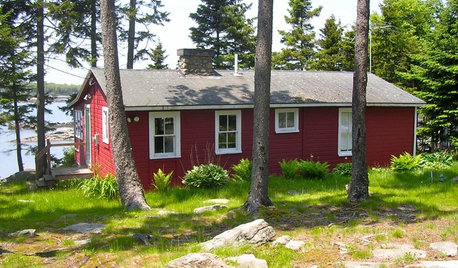
Places in the Heart: A Postcard from Maine
Weathered Wood, Windowboxes and Glorious Gardens Contribute to Maine's Mid-Coast Charm
Full Story
DECORATING GUIDESRoom of the Day: A Fresh Mix in a Traditional Colonial
A designer combines rich colors and fabrics with lighter pieces in a living room that's the heart of a North Carolina home
Full Story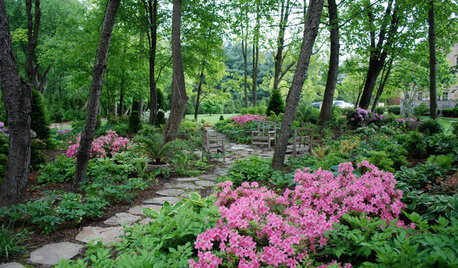
LANDSCAPE DESIGNFind Yourself in an Epic Garden in the Shade
Feeling hot and tired gardening in the sun? The world of shade gardening beckons you to its cool mystery
Full Story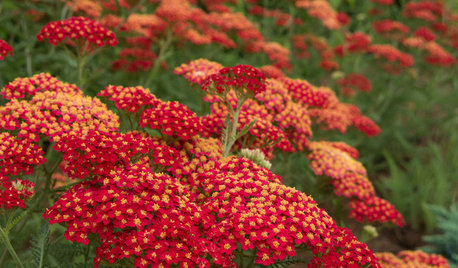
GARDENING GUIDESTop 12 Summer-Blooming Perennials for Deer-Resistant Drama
Can you have garden color, fragrance and exciting foliage with hungry deer afoot? These beauties say yes
Full Story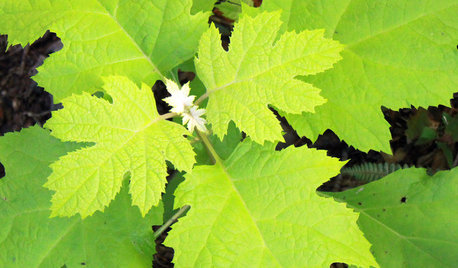
LIME FOLIAGE5 Gold Plants to Illuminate Shady Garden Spots
Dark garden corners don't have to mean deep, monochromatic color. Gold plants brighten the landscape with shots of luminosity
Full Story
LANDSCAPE DESIGNHow to Create a Beautiful Shade Garden
Turn the cool, shady spot in your garden into your own quiet oasis
Full Story
GARDENING GUIDES5 Unsung Wildflowers That Thrive in Dry Shade
Turn shady problem spots into garden idylls with with these prolific, easy-care bloomers
Full Story
GARDENING GUIDESA Mom, a Garden and a Gift for the Neighbors
Gardening can be therapeutic in unexpected ways. See how one gardener found peace and purpose in a patch of Florida soil
Full Story

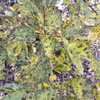
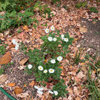
Saypoint zone 6 CT
robynpa
Related Professionals
Danbury Landscape Architects & Landscape Designers · Manchester Landscape Architects & Landscape Designers · Amherstburg Landscape Architects & Landscape Designers · Sebring Landscape Contractors · Terre Haute Landscape Contractors · Branson Landscape Contractors · McAllen Landscape Contractors · Fergus Falls Landscape Contractors · Billings Landscape Contractors · Kalispell Landscape Contractors · Tyler Home Builders · Alexandria Home Builders · Keene Home Builders · Eureka Home Builders · Rock Springs Home Builderstriciae
lindac
cateyanneOriginal Author
lindac
mwieder
debgrow
duluthinbloomz4