

To Nancy the bug expert...
19 years ago
Sort by:Oldest
Comment (1)
Related Stories

WINTER GARDENINGPruning Secrets for Exquisite Roses
Encourage gorgeous blooms year after year with this time-tested advice on how to prune your rosebush in winter for health and shape
Full Story
DECORATING GUIDESExpert Talk: Designers Open Up About Closet Doors
Closet doors are often an afterthought, but these pros show how they can enrich a home's interior design
Full Story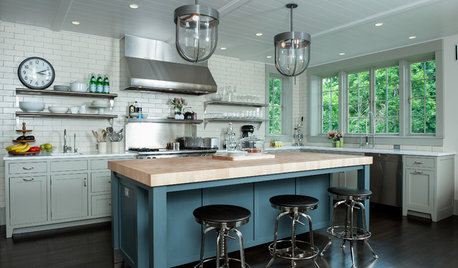
KITCHEN DESIGNExpert Talk: Design Lessons From 9 Stunning Kitchens
Architects share a behind-the-scenes look at the design decisions for some of their most interesting kitchen projects
Full Story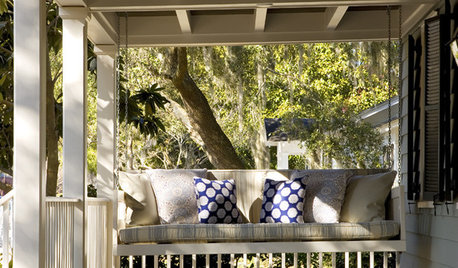
GARDENING AND LANDSCAPINGExpert Talk: Porch Swings Sway Into Sweet Life
Their lilting rhythms and tastes of the good life beckon. See how professional designers heeded the porch-swing call
Full Story
FARM YOUR YARDHow to Grow Vegetables in Containers
Get glorious vegetables and fruits on your patio with a pro’s guidance — including his personal recipe for potting mix
Full Story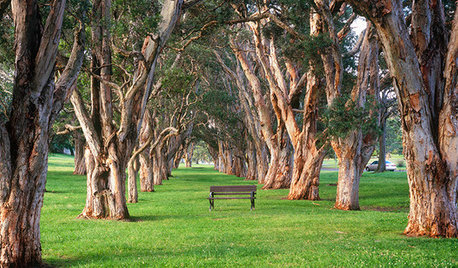
EVENTSEnjoy Plantings, Eat Bugs and Learn at the Australian Garden Show
Indulge your senses at this four-day celebration of gardening, food and more in Sydney — and don't forget to try the crickets
Full Story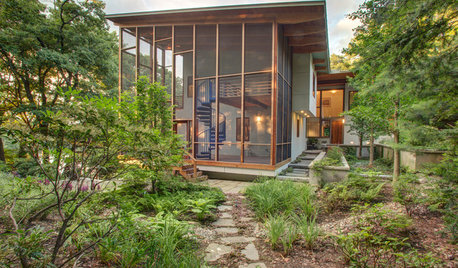
GARDENING AND LANDSCAPINGBreezy and Bug-Free Modern Porches
Screening keeps pests out of these diverse porches across the U.S., while thoughtful designs keep them visually appealing
Full Story
HOUSEKEEPINGHow to Clean and Care for Your Mattress
Find out what you should do to protect your mattress from dust, moisture and stains
Full Story
FEEL-GOOD HOMEThe Pros and Cons of Making Your Bed Every Day
Houzz readers around the world share their preferences, while sleep and housekeeping experts weigh in with advice
Full Story
COLORBathed in Color: Favorite Yellows and Golds for the Bath
Get a golden glow for your bathroom with these expert paint picks and ideas for yellow walls
Full Story
robitaillenancy1
Related Professionals
Lexington Landscape Architects & Landscape Designers · Rolla Landscape Architects & Landscape Designers · Myrtle Beach Landscape Architects & Landscape Designers · Binghamton Landscape Architects & Landscape Designers · Miami Landscape Contractors · Orlando Landscape Contractors · Tampa Landscape Contractors · Dalton Landscape Contractors · Lawrenceburg Landscape Contractors · Salem Landscape Contractors · Atlanta Architects & Building Designers · Knoxville Architects & Building Designers · San Antonio Architects & Building Designers · Williamsport Architects & Building Designers · Bridgeport Architects & Building Designers