

My soil is a mess
18 years ago
Sort by:Oldest
Comments (5)
Related Stories

GARDENING GUIDESGardening Solutions for Heavy Clay Soils
What’s a gardener to do with soil that’s easily compacted and has poor drainage? Find out here
Full Story
GARDENING GUIDESHow to Stop Worrying and Start Loving Clay Soil
Clay has many more benefits than you might imagine
Full Story
GARDENING GUIDESGardening Solutions for Dry, Sandy Soils
Has your desert or beachy site withered your gardening creativity? Try these ideas for a beautiful, easy-care landscape
Full Story
GARDENING GUIDESHow to Pick a Mulch — and Why Your Soil Wants It
There's more to topdressing than shredded wood. Learn about mulch types, costs and design considerations here
Full Story
HOUSEKEEPINGTackle Big Messes Better With a Sparkling-Clean Dishwasher
You might think it’s self-cleaning, but your dishwasher needs regular upkeep to keep it working hard for you
Full Story
PETSDealing With Pet Messes: An Animal Lover's Story
Cat and dog hair, tracked-in mud, scratched floors ... see how one pet guardian learned to cope and to focus on the love
Full Story
GARDENING GUIDESGreat Design Plant: Foamflower Cushions Shady Garden Areas
Try evergreen ground cover Tiarella cordifolia for a soft look all year — one the rabbits and deer won’t mess with
Full Story
KITCHEN WORKBOOK8 Kitchen Amenities You'll Really Wish You Had
Keep kitchen mayhem and muck to a minimum with these terrific organizers and other time-saving, mess-preventing features
Full Story
MATERIALSInsulation Basics: What to Know About Spray Foam
Learn what exactly spray foam is, the pros and cons of using it and why you shouldn’t mess around with installation
Full Story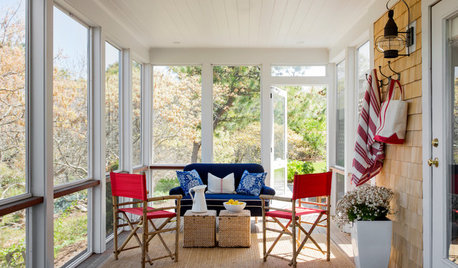
TRADITIONAL HOMESHouzz Tour: Breezy and Fuss Free in Cape Cod
Kids, pets and countless guests needn’t fear messing up this relaxed but pulled-together vacation home
Full Story
jean001
Kimmsr
Related Professionals
Logan Landscape Architects & Landscape Designers · Spokane Landscape Architects & Landscape Designers · Quincy Landscape Contractors · Frederick Landscape Contractors · New Braunfels Landscape Contractors · Williamsport Landscape Contractors · Westerly Landscape Contractors · Santa Rosa Landscape Contractors · Farmington Landscape Contractors · Wichita Stone, Pavers & Concrete · Louisville Stone, Pavers & Concrete · Columbia Stone, Pavers & Concrete · Greenville Stone, Pavers & Concrete · Plattsburgh Stone, Pavers & Concrete · Santa Fe Stone, Pavers & Concretelorna-organic
gardenfanatic2003
Kimmsr