

Rescued African Violet- Help?
18 years ago
Sort by:Oldest
Comments (4)
Related Stories
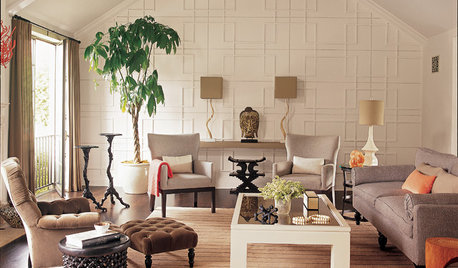
LIVING ROOMSRoom of the Day: Rescuing a Beverly Hills Living Room
Fretwork panels, textured neutrals and artfully exotic touches turn an unexciting room into a feast for the eyes
Full Story
MOVINGRelocating Help: 8 Tips for a Happier Long-Distance Move
Trash bags, houseplants and a good cry all have their role when it comes to this major life change
Full Story
PETSHouzz Call: Show Us Your Summer-Loving Dog!
Share a photo of your pooch kicking back in the backyard, helping you in the workshop or enjoying your favorite summer getaway
Full Story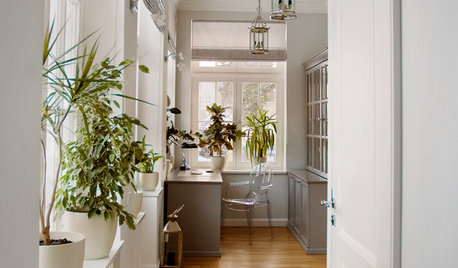
HOUSEPLANTSHow to Create an Indoor Landscape
Apply principles and elements of design to help your indoor garden flourish
Full Story
SELLING YOUR HOUSESell Your Home Fast: 21 Staging Tips
Successful staging is key to selling your home quickly and at the best price. From cleaning to styling, these tips can help
Full Story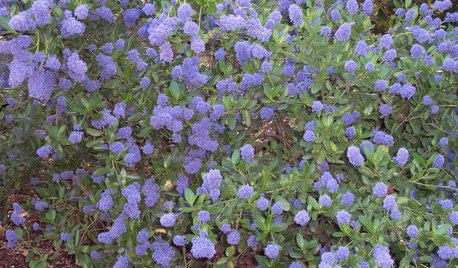
GARDENING GUIDESGreat Design Plant: Ceanothus Pleases With Nectar and Fragrant Blooms
West Coast natives: The blue flowers of drought-tolerant ceanothus draw the eye and help support local wildlife too
Full Story
PETSHouzz Call: Send in the Design Cats
Post your best photo of your cat at home, in the garden or with you in your studio. It could be published in a featured ideabook
Full Story
STORAGEBedroom Storage: 12 Ways to Work Your Wardrobe
Instead of letting the mess in your closet overwhelm you, tackle it head on with these smart and simple solutions
Full Story
HOUZZ TOURSHouzz Call: Show Us Your Farmhouse!
Bring on the chickens and vegetable patches. If your home speaks country, it might appear in a featured ideabook
Full Story
PETSHouzz Pets Survey: Who Rules the House — Dogs or Cats?
New data shows that pets make people happy, and pet owners love spending big to return the favor
Full Story
Sponsored
fred_hill
birdsnblooms
Related Professionals
Panama City Landscape Architects & Landscape Designers · York Landscape Architects & Landscape Designers · Roanoke Landscape Architects & Landscape Designers · Moline Landscape Architects & Landscape Designers · Grand Rapids Landscape Architects & Landscape Designers · Billings Landscape Architects & Landscape Designers · Stockton Landscape Contractors · Pueblo Landscape Contractors · Albany Architects & Building Designers · Frederick Architects & Building Designers · Asheville Architects & Building Designers · Manchester Architects & Building Designers · Pittsburgh Architects & Building Designers · Santa Maria Architects & Building Designers · Juneau Architects & Building DesignerssethsanOriginal Author
fred_hill