

Outgrowing their pots?
18 years ago
Sort by:Oldest
Comments (2)

Related Stories
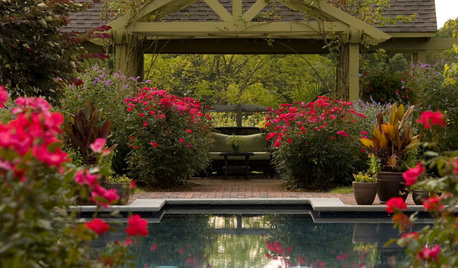
SPRING GARDENINGHow to Grow a Rose Garden in Pots
Everything can come up roses, even without a plot of soil in sight. This step-by-step guide to growing roses in containers shows you how
Full Story
CONTAINER GARDENSContainer Garden Basics: How and When to Water Potted Plants
Confused about soil moisture, the best time to water and what watering device to use? This guide can help
Full Story
FALL GARDENING5 Fall Fruits You Can Grow in Containers
Brighten your porch or patio with a potted pomegranate, kumquat, blueberry bush or another great fall fruit
Full Story
12 Gifts for Green Thumbs
Use your imagination — or borrow some here — to turn a potted plant into an even more special gift
Full Story
GARDENING GUIDESGreat Design Plant: Little Heath Andromeda Brings 4-Season Color
Rosiness in the cool months and fragrant white flowers in spring help make this shrub a winner — and hummingbirds love it too
Full Story
KIDS’ SPACESRoom of the Day: Playhouse Becomes a Favorite Spot for Grandchildren
Faced with tearing down her toolshed, this homeowner saw the chance to make a special place for some of her favorite people
Full Story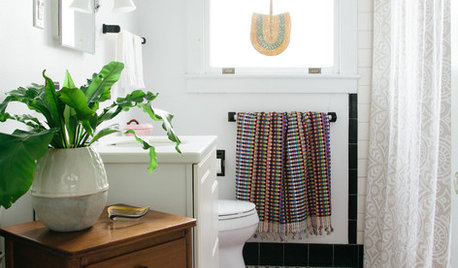
CONTAINER GARDENSFreshen Up the Bath With Lush and Healthy Plants
Learn how to choose and care for plants that will do well in your space
Full Story
GARDENING GUIDES5 Best-Behaved Trees to Grace a Patio
Big enough for shade but small enough for easy care, these amiable trees mind their manners in a modest outdoor space
Full Story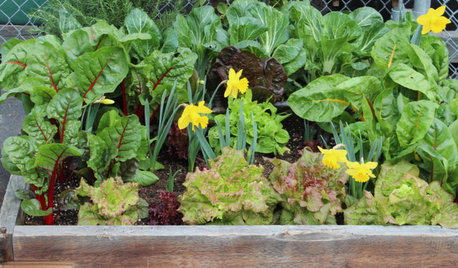
FARM YOUR YARDGrow a Kitchen Garden in 16 Square Feet
Got a sunny 4-by-4 space? You can make meals more interesting with your own vegetables and herbs
Full Story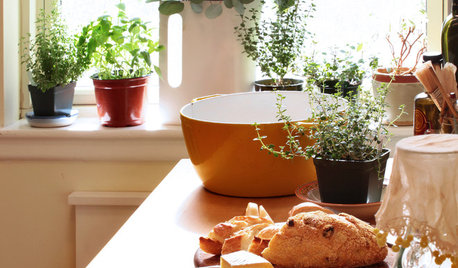
LIFEFreshen Up for Fall and a New Semester
Say goodbye to summer’s lethargy. It's time to channel that back-to-school feeling for domestic good
Full Story
Sponsored
fred_hill
loisflanOriginal Author
Related Professionals
Clarksville Landscape Architects & Landscape Designers · Newburyport Landscape Architects & Landscape Designers · Grand Rapids Landscape Architects & Landscape Designers · Providence Landscape Architects & Landscape Designers · Los Angeles Landscape Architects & Landscape Designers · Fayetteville Landscape Contractors · Wichita Landscape Contractors · Salisbury Landscape Contractors · Columbus Landscape Contractors · Danbury Landscape Contractors · Bangor Landscape Contractors · Portsmouth Landscape Contractors · Hackettstown Landscape Contractors · Yuba City Landscape Contractors · New Haven Architects & Building Designers