

gas in oil,
19 years ago
Sort by:Oldest
Comments (4)
Related Stories
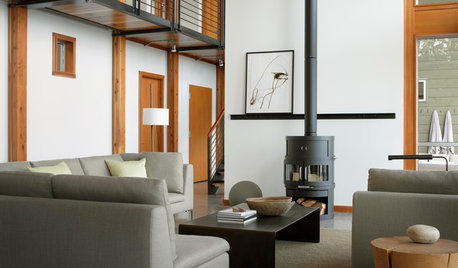
REMODELING GUIDESClean-Burning Woodstoves Ignite a Greener Heating Trend
No need to rely on oil or gas to heat your home — new woodstove designs burn cleanly and are beautiful to boot
Full Story
LIVING ROOMSHow to Convert Your Wood-Burning Fireplace
Learn about inserts and other options for switching your fireplace from wood to gas or electric
Full Story
OUTDOOR KITCHENSYour Guide to Grills and More for Great Outdoor Cooking
Learn the pros and cons of gas versus charcoal grills, and about neat add-ons that let you do more
Full Story
GARDENING GUIDESSoutheast Gardener's November Checklist
You're probably on top of planting bulbs, but don't forget to keep an eye on frost and drain your mower's gas tank
Full Story
GREEN BUILDINGSalvaged Materials Triumph as All-Stars of Sustainability
When you save manufacturing energy and have a beautifully crafted home to boot, it's a win-win situation
Full Story
FLOORSFloors Warm Up to Radiant Heat
Toasty toes and money saved are just two benefits of radiant heat under your concrete, wood or tile floors
Full Story
ARCHITECTUREHouzz Tour: Modern Plays Nice in a Historic Houston Neighborhood
Subtle modern details make this new home stand out from its elderly neighbors without disrespecting them
Full Story
MOST POPULARWhat Is a Living Building?
Part philosophy, part advocacy, the Living Building Challenge is pushing designers and homeowners to rethink how we live
Full Story
HOME TECH7 Ways to Charge Up and Connect After Disaster
Products and tips for communicating and keeping essential items running till the power's back on
Full Story
TASTEMAKERSPro Chefs Dish on Kitchens: Michael Symon Shares His Tastes
What does an Iron Chef go for in kitchen layout, appliances and lighting? Find out here
Full Story
Sponsored
deerslayer
mownie
Related Professionals
Decatur Landscape Architects & Landscape Designers · Washington Landscape Architects & Landscape Designers · Lake City Landscape Architects & Landscape Designers · Augusta Landscape Architects & Landscape Designers · Aberdeen Landscape Architects & Landscape Designers · New Bedford Landscape Architects & Landscape Designers · Everett Landscape Architects & Landscape Designers · Cowansville Landscape Architects & Landscape Designers · Columbia Landscape Contractors · Meridian Landscape Contractors · York Landscape Contractors · Torrington Landscape Contractors · Cedar Rapids Landscape Contractors · Twin Falls Landscape Contractors · Traverse City Architects & Building Designerspnmng49Original Author
mownie