

compicata seedlings....what to expect?
18 years ago
Sort by:Oldest
Comments (7)
Related Stories
LAUNDRY ROOMSKey Measurements for a Dream Laundry Room
Get the layout dimensions that will help you wash and fold — and maybe do much more — comfortably and efficiently
Full Story
FARM YOUR YARDAn Urban Greenhouse Overflows With Edibles
Making meals just means stepping into the yard for a San Francisco couple who revamped an old orchid house
Full Story
GARDENING GUIDES12 Edibles Perfect to Plant in Late Summer
Keep those homegrown vegetables and greens coming well into fall
Full Story
GARDENING GUIDES10 Easy Edibles for First-Time Gardeners
Focus on these beginner-friendly vegetables, herbs, beans and salad greens to start a home farm with little fuss
Full Story
FARM YOUR YARDGrow a Kitchen Garden in 16 Square Feet
Got a sunny 4-by-4 space? You can make meals more interesting with your own vegetables and herbs
Full Story
FARM YOUR YARDIf You Have Room for Only One Summer Crop ...
Get an edible that’s long on flavor even if you’re short on space, with a long-time gardener’s favorite picks
Full Story
GARDENING GUIDESHerb Garden Essentials: Versatile Cilantro Adds Flavor to Herb Gardens
Love it or hate it, this cool-season herb contributes its unique flavor to any number or the world’s cuisines
Full Story
FRONT YARD IDEASBefore and After: Front Lawn to Prairie Garden
How they did it: Homeowners create a plan, stick to it and keep the neighbors (and wildlife) in mind
Full Story
GARDENING GUIDESHow to Fix Bare and Yellow Lawn Spots
Restore your turf’s good looks by reseeding unsightly patches
Full Story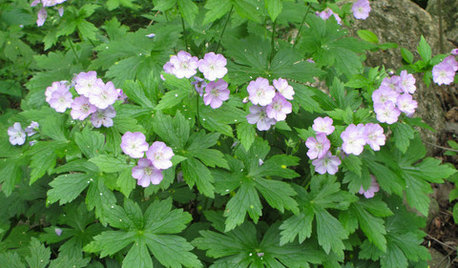
NATIVE PLANTS10 Essential Native Perennials for the Great Lakes and Upper Midwest
These adaptable native plants thrive in a variety of conditions and will provide flowers throughout the season
Full Story

len511
stefanb8
Related Professionals
Norfolk Landscape Architects & Landscape Designers · Williamsburg Landscape Architects & Landscape Designers · South Bend Landscape Architects & Landscape Designers · Brooklyn Landscape Architects & Landscape Designers · Forrest City Landscape Contractors · Tampa Landscape Contractors · Vicksburg Landscape Contractors · Des Moines Landscape Contractors · Canton Landscape Contractors · San Bernardino Landscape Contractors · San Luis Obispo Landscape Contractors · Jackson Home Builders · Des Moines Home Builders · Barnstable Home Builders · Reno Home BuildersrjlinvaOriginal Author
len511
jim_east_coast_zn7
stefanb8
rjlinvaOriginal Author